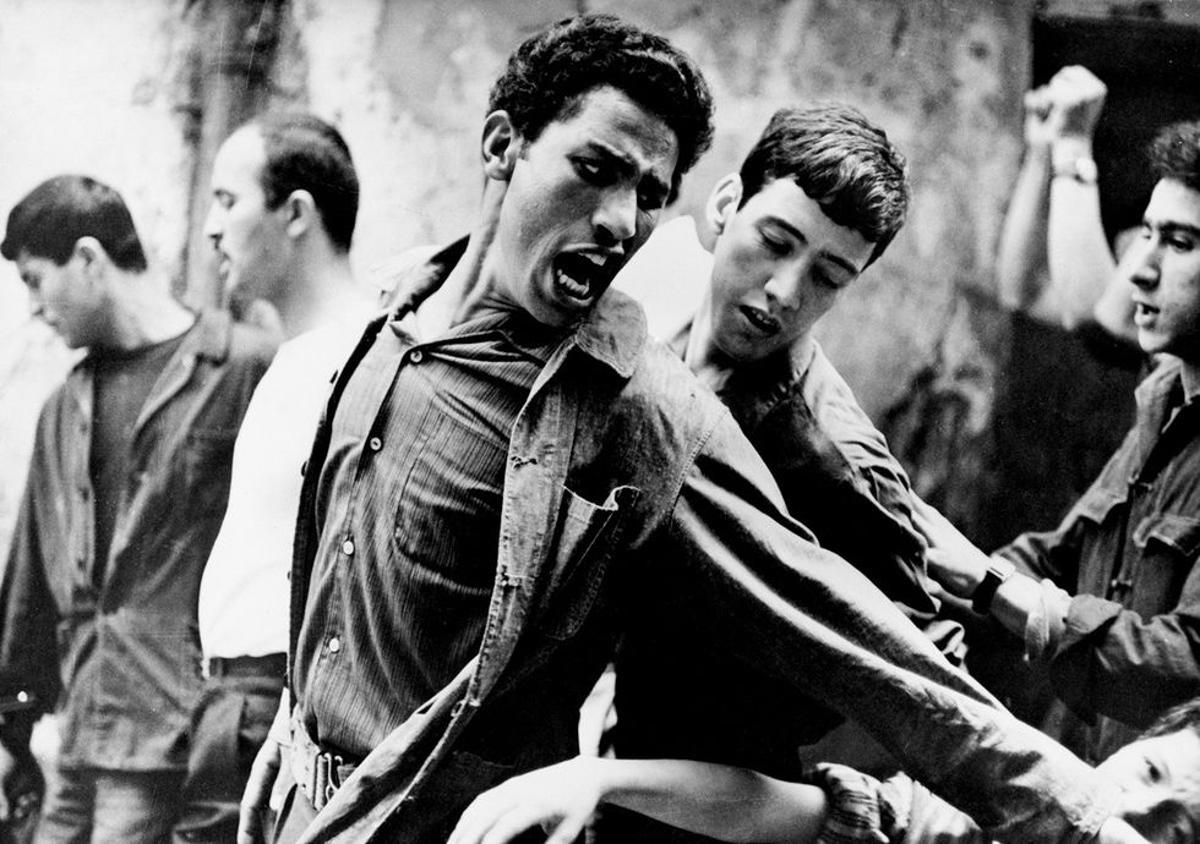
Paul Thomas Anderson Breaking Down a 'Battle of Algiers' Clip Is Basically a Full Film School Curriculum
•February 9, 2026
0
Why It Matters
The interview underscores how classic cinema continues to shape contemporary directors, reinforcing the commercial and artistic value of studying film history.
Key Takeaways
- •Anderson cites Battle of Algiers as guerrilla filmmaking blueprint
- •Non‑professional actors boost realism, a technique Anderson adopts
- •VistaVision used for rich imagery in Anderson’s new film
- •John Wayne’s flawed hero archetype influences Anderson’s protagonists
- •TCM interviews bridge classic film education to contemporary creators
Pulse Analysis
Turner Classic Movies has carved a niche by pairing legendary filmmakers with the very works that molded their vision, and the recent Paul Thomas Anderson interview is a prime example. By unpacking *The Battle of Algiers*, Anderson not only acknowledges the film’s reputation as a “training course” for 1960s radical groups but also celebrates its raw, documentary‑style realism achieved through local, non‑professional talent. This approach resonates with his own commitment to authenticity, especially in scenes where Leonardo DiCaprio’s character watches the classic, echoing its political urgency for modern audiences.
Equally revealing is Anderson’s reverence for John Ford’s 1956 western *The Searchers*. He points to the film’s VistaVision format—a larger‑area 35mm process that delivers deep, saturated images—as a visual template for his own high‑resolution storytelling. The discussion also highlights John Wayne’s portrayal of a deeply flawed hero, a character type that Anderson repeatedly revisits, allowing audiences to grapple with moral ambiguity. By linking Ford’s expansive landscapes to his contemporary narrative, Anderson demonstrates how historic techniques can be repurposed to enrich present‑day cinema.
The broader takeaway is that classic films function as a living curriculum for today’s creators. Anderson’s willingness to dissect both the political grit of *Algiers* and the mythic scope of *The Searchers* signals a resurgence of film‑school pedagogy outside academia, driven by streaming platforms and specialty channels like TCM. For industry professionals, this reinforces the commercial upside of integrating timeless storytelling principles into new projects, while also affirming the cultural imperative to preserve and study cinema’s rich heritage.
Paul Thomas Anderson Breaking Down a 'Battle of Algiers' Clip Is Basically a Full Film School Curriculum
0
Comments
Want to join the conversation?
Loading comments...