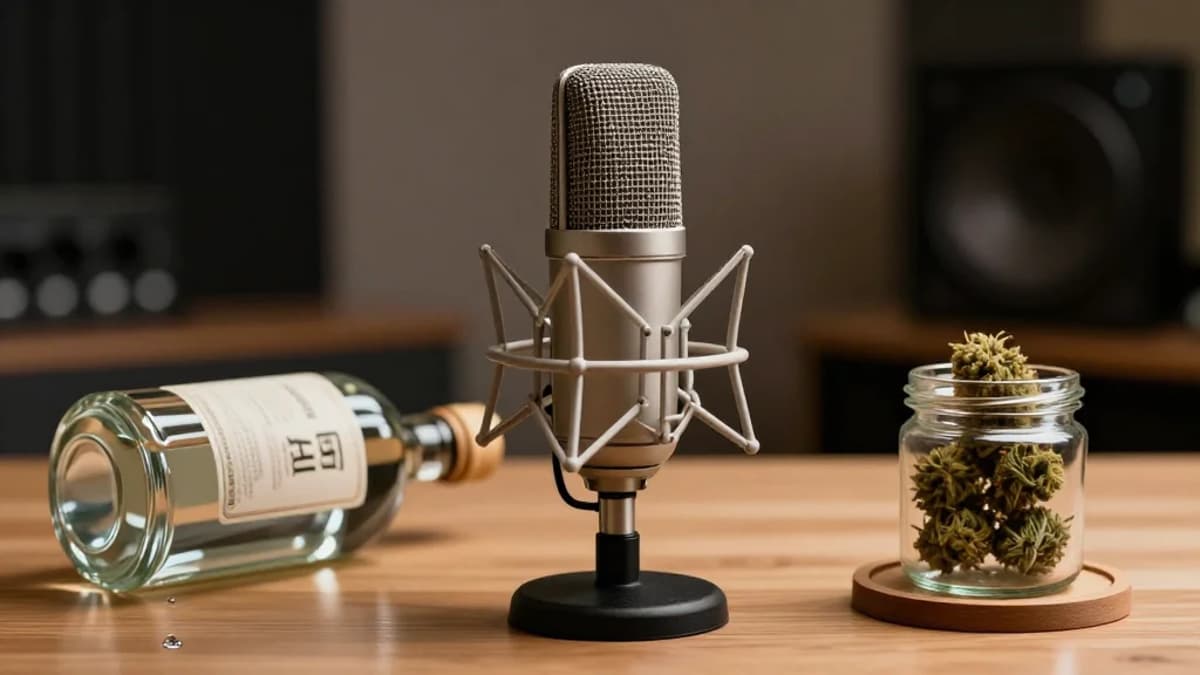
People Are Drinking Less Than Ever. What’s Country Music to Do?
•March 1, 2026
0
Companies Mentioned


Why It Matters
The shrinking booze market threatens a lucrative revenue stream for country artists and brands, while the rise of cannabis reshapes sponsorship and lyrical themes across the genre.
Key Takeaways
- •US adult drinking fell to 54% in 2024.
- •Whiskey overproduction leads distilleries to pause production.
- •Country artists' alcohol branding faces shrinking consumer base.
- •Cannabis beverages surge, outselling traditional alcohol among Gen Z.
- •Songwriters claim drinking lyrics remain integral to country music.
Pulse Analysis
The latest Gallup poll underscores a broader cultural shift: fewer adults are choosing alcohol, and younger generations are especially abstinent or gravitating toward alternative cannabinoids. Over‑production during the pandemic left whiskey inventories swollen, prompting legacy distillers such as Jim Beam to suspend distilling for an entire year. This supply‑demand mismatch not only squeezes profit margins but also forces brand managers to reassess the viability of celebrity‑endorsed spirits in a market that is contracting at the consumer level.
For Nashville, the ripple effects are palpable. Marketing directors like Ryan Gill report an unexpected hurdle—identifying country artists who still drink—to pair with new bourbon or tequila lines. While icons such as Chris Stapleton defend the timeless bond between country music and whiskey, the rise of THC‑infused beverages, exemplified by Willie’s Remedy’s rapid growth, signals a lucrative alternative for sponsorships. The shift challenges traditional revenue models, urging musicians and labels to diversify partnerships beyond conventional spirits.
Despite the macro trends, the lyrical DNA of country music remains resilient. Songwriters from both veteran and emerging circles continue to weave barroom narratives into hits, arguing that authenticity trumps fleeting consumer habits. While the genre may incorporate more cannabis references, the archetype of a cold beer or a glass of bourbon still resonates with audiences across ages. This duality suggests that, even as the market evolves, country music will likely maintain its celebratory toast to everyday life, balancing new trends with its storied drinking heritage.
People Are Drinking Less Than Ever. What’s Country Music to Do?
0
Comments
Want to join the conversation?
Loading comments...