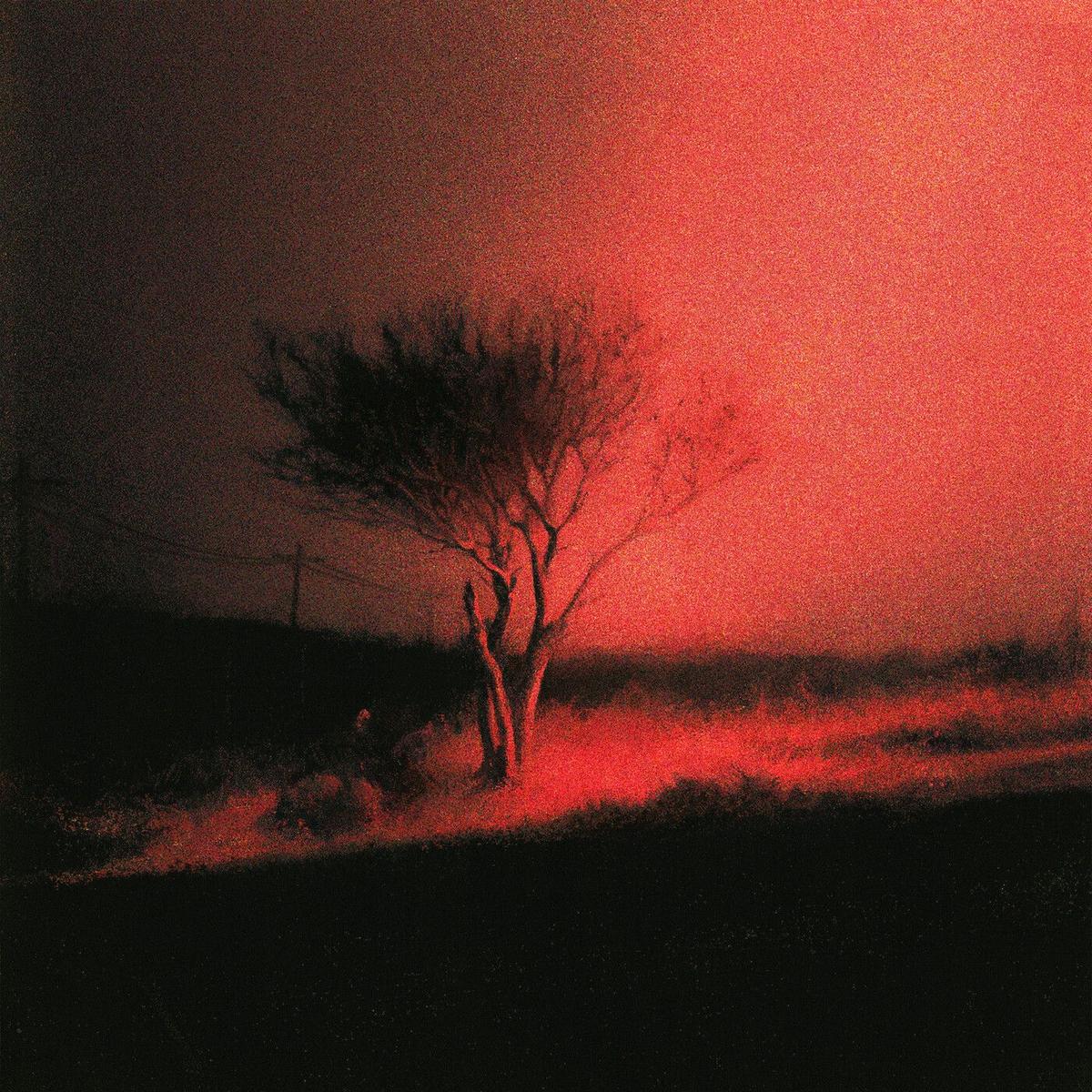
The album signals Joji’s strategic shift toward genre‑blending production, a move that could reshape his position in the streaming‑driven alt‑R&B market, while its lyrical shortcomings risk alienating his core fanbase.
Since emerging from the comedy‑YouTube circuit, Joji has cultivated a reputation as a melancholic alt‑R&B artist, but “Piss in the Wind” marks his first fully independent effort after exiting 88 Rising. This transition reflects a broader industry trend where creators leverage their own labels to retain revenue and artistic control. By stepping away from a label that helped launch his career, Joji joins peers such as Frank Ocean and The Weeknd in testing the limits of self‑distribution, a move that could influence how streaming platforms prioritize independent releases.
The album’s sonic palette leans heavily on contemporary trap, darkwave, and hyper‑pop textures, thanks to contributions from producers like Bladee, Dylan Brady, and Yeat. Tracks such as “PIXELATED KISSES” and “Soujourn” demonstrate how distorted synths and clattering drums can inject urgency into Joji’s typically subdued aesthetic. This production pivot aligns with the rising popularity of genre‑fluid playlists on services like Spotify, where listeners gravitate toward hybrid sounds. Yet the experimental backdrop is undercut by Joji’s consistently detached vocal delivery, limiting the emotional resonance that fans expect from his earlier work.
Commercially, the mixed reception may affect Joji’s streaming metrics and brand partnerships, as advertisers increasingly favor artists who can generate authentic engagement. The impersonator stunt used in the album’s visual campaign underscores a calculated attempt to cultivate mystery, but it also risks diluting his personal brand. For Joji to secure a lasting place in the “sadboy” canon, future projects will need tighter songwriting and a more expressive vocal presence. If he can balance innovative production with genuine storytelling, the album could serve as a stepping stone toward broader mainstream appeal.
Pitchfork Talks With james K: “Friend, ” Cyborgs, & Vocal Modification
Joji would like to be taken seriously. Despite first gaining notoriety as a frantic comedy YouTuber, the singer has spent most of the last decade as a purveyor of somber alt‑R&B. Though he managed to break out from 88 Rising’s roster of Asian and Asian‑American artists and become a star in his own right, he’s been less successful at escaping the gravitational pull of his influences. He first pivoted to non‑comedic music in the 2010s, and much of his recent work has felt stuck in that decade—2016’s pantheon of self‑pitying stars (Drake, Bon Iver, Frank Ocean) continues to loom large. On Piss in the Wind, Joji’s first album since leaving 88 Rising, he attempts to modernize his sound, employing a scattershot approach that ranges from weepy piano ballads to slithering trap songs. But despite some intriguing production, Joji still feels distant and unknowable.
The album’s best moments come when Joji deploys the noisy, aggressive production favored by morose rappers like fakemink, Bladee, and Playboi Carti. Following the sleepy production of his previous albums, these new sounds provide a much‑needed jolt of energy. The self‑produced opening song “PIXELATED KISSES” truly bangs, its distorted synths and clattering drums pushing the whole track into the red. On “Soujourn,” the artist formerly known as Kenny Beats and 100 gecs’ Dylan Brady cook up a darkwave soundtrack for late‑night drives. Fellow style‑over‑substance peddler Yeat adds some Young Thug‑esque bars atop the warped guitar notes of “Rose Colored” (as well as roughly 30 seconds of lackadaisical rapping to a “PIXELATED KISSES” remix). Yes, all of these songs coast primarily on vibes—Joji’s delivery remains detached and clinical throughout—but at least the vibes are compelling.
The remainder of the record, however, is far less successful. There are a handful of decent ballads: “Last of a Dying Breed” gallops toward the sunset atop sustained organ chords; “Love Me Better” shows off Joji’s vocal range as he switches between a baritone flow and a falsetto. But most of the mellow songs showcase Joji’s shortcomings more than his strengths. “Past Won’t Leave My Bed” is pure AM radio schmaltz. The Giveon feature on “Piece of You” illustrates how much more pathos an emotive vocalist could wring from these songs. And if you miss the James Blake of R&S white labels, the shuffling beat and gentle falsetto runs of “Forehead Touch the Ground” might provide a fair substitute—just don’t expect Joji to express anything beyond a numbing sadness. Where Blake’s earliest songs could tell an entire story with just one line, the best Joji can muster here are lovesick clichés that don’t even feel worthy of a Hallmark card (“Somethin’ ’bout ya/Can’t get out my head”).
While some of the production on Piss in the Wind feels like an upgrade, the core issue with Joji’s songwriting remains: He never offers much of a window into his emotions. His lyrics are eternally plain‑spoken and unspecific—you’d be hard‑pressed to call anything he writes poetic—and his singing is largely inexpressive; he often sounds content to simply blend into the track. In the rollout for the record, Joji attempted to de‑center himself by using an impersonator in music videos and promotional spots. A little mystery can certainly go a long way in this genre—but this stunt only highlights that the person at the center of these songs sounds downright anonymous. Unless Joji figures out how to inject some personality and vulnerability into his music, he’s never going to join his idols in the sadboy hall of fame.
Comments
Want to join the conversation?
Loading comments...