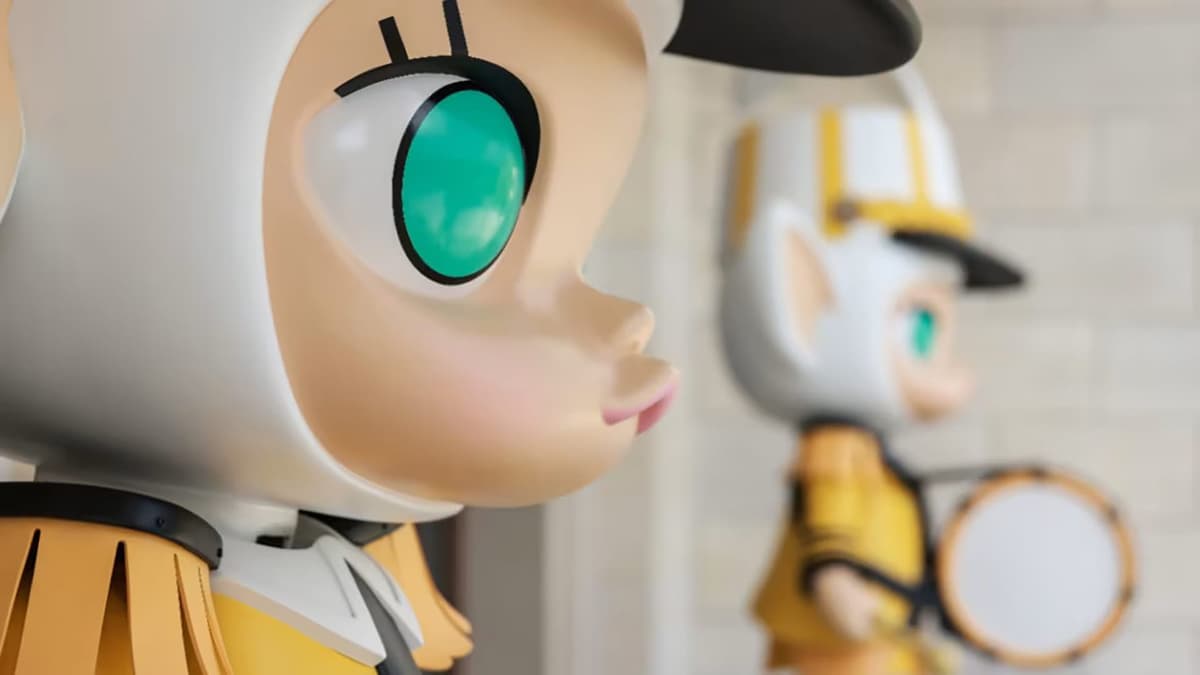
Pop Mart Announces Upgrade to Beijing Theme Park Pop Land
Why It Matters
The upgrade proves that IP‑driven, experience‑focused parks can attract adult and tourist audiences, offering a scalable revenue channel for consumer‑goods companies expanding into entertainment.
Key Takeaways
- •Pop Land adds three zones, five rides, including drop tower, pirate ship
- •First‑year profitability achieved; H1 2025 traffic already exceeds prior full year
- •Non‑family visitors comprise 59% of attendance, out‑of‑town 58%
- •IP integration fuels merchandise, food, and live‑entertainment revenue growth
- •Management stresses brand experience over short‑term profit targets
Pulse Analysis
China’s theme‑park landscape has long been dominated by large‑scale operators, but Pop Mart is carving a niche by leveraging its own collectible‑toy IPs. By embedding characters like Labubu and Dimoo into rides, retail, and live shows, the company creates a seamless brand ecosystem that extends beyond the park’s physical footprint. This approach mirrors global trends where intellectual property fuels cross‑media experiences, yet Pop Mart’s urban‑centric model—nestled within Beijing’s Chaoyang Park—offers a compact, high‑density alternative to sprawling resorts.
The recent upgrade introduces three new zones and five signature attractions, notably a rotating drop tower that doubles as a scenic overlook and a pirate‑ship ride tuned to Labubu’s mischievous persona. These additions address two core visitor complaints: limited space and insufficient playability. By turning rides into photo‑friendly set pieces and integrating bespoke music, Pop Land enhances secondary spending, which already accounted for 72% of first‑month revenue. The park’s visitor mix—nearly 60% non‑family and a similar share of out‑of‑town guests—signals that adult fans are as valuable as traditional family crowds, expanding the monetization horizon for merchandise and food‑and‑beverage concepts.
Strategically, Pop Land serves as a testbed for Pop Mart’s broader ambitions, including an upcoming Labubu film and international expansion. The park’s profitability in its inaugural year validates the IP‑centric model, while management’s emphasis on long‑term brand equity over immediate returns suggests a patient rollout of similar concepts. As Chinese consumers increasingly seek immersive, Instagram‑ready experiences, Pop Mart’s blend of retail, entertainment, and storytelling could set a template for other consumer brands eyeing the theme‑park arena, provided they navigate operational challenges like crowd management and ride‑technology integration.
Pop Mart announces upgrade to Beijing theme park Pop Land
Comments
Want to join the conversation?
Loading comments...