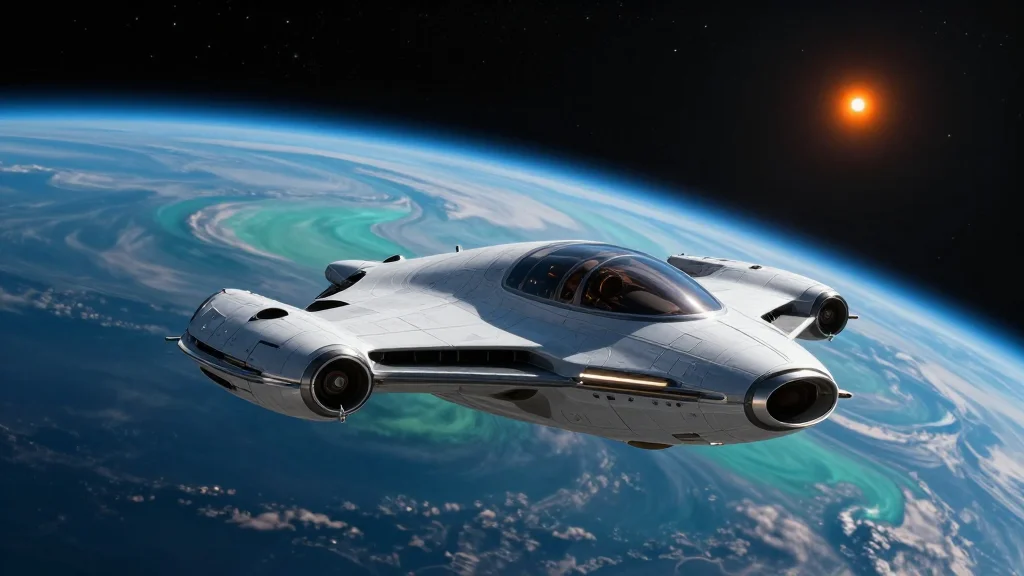
'Project Hail Mary': Real Space Science, Real Astrophotography

Why It Matters
The box‑office surge proves that rigorously scientific storytelling can drive mainstream commercial success, encouraging studios to invest in authentic space narratives. It also raises public awareness of real exoplanet research and international space collaboration.
Key Takeaways
- •Film grosses $300.8M worldwide in nine days.
- •Highest‑grossing Amazon MGM title, surpassing Oppenheimer opening.
- •Based on Andy Weir novel, praised for scientific accuracy.
- •Features real astrophotography and authentic exoplanet references.
- •Highlights international space agencies collaboration in storyline.
Pulse Analysis
The unexpected box‑office performance of Project Hail Mary underscores a shifting appetite among moviegoers for high‑concept science fiction that feels both grand and credible. In an era where franchise fatigue is palpable, the film’s $300.8 million global haul—driven by a $54.1 million weekend surge—signals that original, non‑franchise titles can still dominate screens when paired with strong marketing and a reputable studio backing. Amazon MGM’s strategic push for premium content appears validated, as the movie eclipses the opening metrics of comparable blockbusters and sets a new benchmark for future releases.
Beyond financial metrics, the film’s dedication to scientific authenticity differentiates it from typical CGI‑heavy spectacles. Andy Weir, a former software engineer known for meticulous research, infused the screenplay with genuine astrophysics, from accurate exoplanet orbital mechanics to realistic depictions of international space agencies such as Roscosmos, CNSA, and ESA. The production’s collaboration with award‑winning astrophotographer Rod Prazeres, who supplied genuine star‑field imagery, adds a layer of visual legitimacy that resonates with both enthusiasts and casual viewers. This blend of fact and fiction not only enriches the narrative but also educates audiences about ongoing NASA exoplanet studies.
Culturally, Project Hail Mary taps into a rich lineage of sci‑fi set in the Tau Ceti and 40 Eridani systems, echoing works by Asimov, Clarke, and Robinson. By grounding its plot in real stellar neighborhoods, the film bridges classic speculative storytelling with contemporary space exploration discourse, potentially sparking renewed public interest in exoplanet discovery and multinational cooperation in space. Such exposure can translate into broader support for scientific funding and inspire the next generation of engineers, reinforcing the symbiotic relationship between entertainment and real‑world scientific advancement.
'Project Hail Mary': Real Space Science, Real Astrophotography
Comments
Want to join the conversation?
Loading comments...