
Why It Matters
The offer aims to accelerate subscriber growth and lift average revenue per user, positioning Sparklight against entrenched telecom incumbents.
Key Takeaways
- •Free unlimited line for 12 months
- •Post‑promo price $30 per month unlimited
- •Activation fee and taxes may apply
- •Plans also include 5 GB $25, 1 GB $15
- •CEO says mobile boosts ARPU, mirrors rivals
Pulse Analysis
Cable operators have increasingly viewed mobile services as a natural extension of their broadband bundles, leveraging existing customer relationships to capture higher-margin revenue streams. By entering the wireless market, firms like Sparklight can cross‑sell to a base already accustomed to bundled billing, reducing churn and increasing lifetime value. This strategic shift mirrors the broader industry trend where traditional telcos diversify beyond legacy landlines to stay relevant in a data‑driven economy.
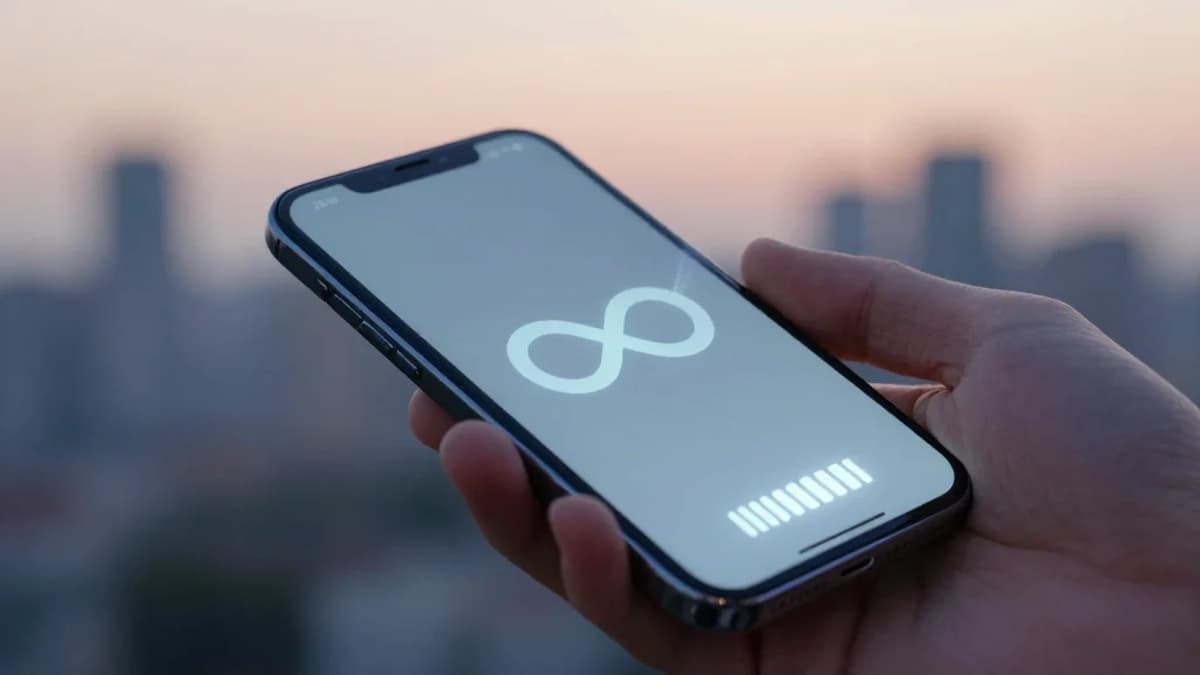
Sparklight’s current promotion—one free unlimited‑data line for a year—serves as a loss‑leader designed to lower the barrier for trial among price‑sensitive households. After the introductory period, customers transition to a $30 monthly fee, which remains competitive against the national averages for unlimited plans. The inclusion of lower‑tiered options at $25 and $15 per month provides a clear upgrade path, encouraging users to migrate upward as data consumption grows. By covering activation costs and taxes separately, Sparklight maintains transparency while preserving margin.
The move puts Sparklight in direct competition with megacompetitors such as Charter Spectrum Mobile and Comcast Xfinity Mobile, both of which have leveraged their extensive fiber footprints to offer discounted wireless rates. If the promotion succeeds in attracting a critical mass of subscribers, it could pressure rivals to enhance their own offers, potentially sparking a price war that benefits consumers. Moreover, the added mobile revenue stream could boost Cable One’s overall ARPU, supporting its broader financial objectives and reinforcing the viability of the cable‑to‑mobile convergence model.
Sparklight Mobile’s New Promo
0
Comments
Want to join the conversation?
Loading comments...