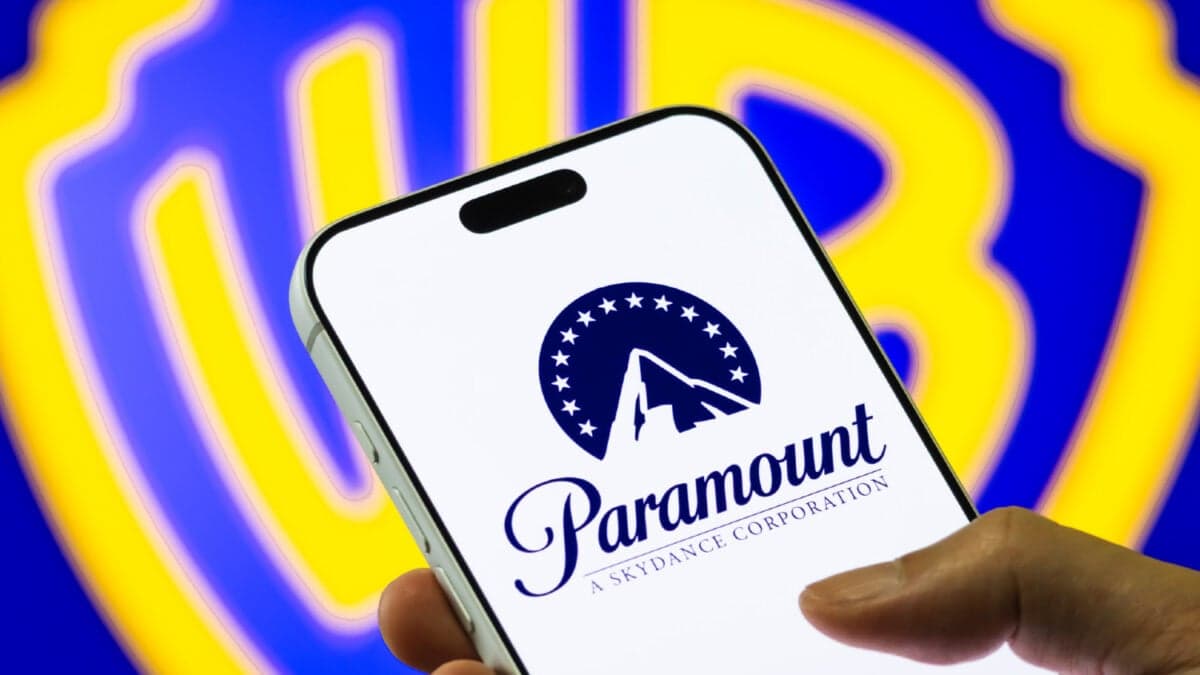
States Say They Will Sue To Block Paramount/Warner Deal
Companies Mentioned
Why It Matters
A state‑level challenge could delay or derail one of the largest media consolidations in decades, reshaping competition, content distribution and shareholder value in the U.S. entertainment sector.
Key Takeaways
- •States sue to block $30B Paramount‑Warner merger
- •Daily penalty: $6.9 million if deal stalls past October
- •DOJ decision on acquisition expected imminently
- •Antitrust concerns cited by actors, theater owners, senators
- •Paramount accuses opponents of antisemitic views
Pulse Analysis
The $30 billion-plus combination of Paramount Global and Warner Bros. Discovery represents the most ambitious media consolidation in the United States since the Disney‑Fox deal. By uniting Paramount’s film library and streaming platform with Warner’s premium cable assets and robust international footprint, the merged entity would control a sizable share of theatrical releases, television syndication, and direct‑to‑consumer services. Executives argue the scale is essential to compete with global streaming giants such as Netflix and Amazon, while also unlocking cross‑selling opportunities across advertising, subscription, and content licensing streams.
Regulators, however, have grown wary of such concentration. The Justice Department’s antitrust unit has already signaled a “hard look” at the transaction, and a coalition of states—including California and New York—has prepared a lawsuit to block the deal on grounds that it would diminish competition for both creators and exhibitors. Past cases, like the failed AT&T‑Time Warner merger, illustrate how state‑level challenges can delay or reshape deals even when federal approval is pending. The pending filing is expected within weeks, though the precise allegations remain under wraps.
If the lawsuit succeeds or forces a divestiture, the financial stakes are steep: Paramount would owe shareholders roughly $6.9 million each day after the October deadline, a penalty designed to pressure a swift closure. Beyond the immediate cost, a blocked merger could fragment the industry, preserving a more diverse set of content owners and potentially fostering competition in streaming pricing and original programming. Conversely, a cleared deal would create a powerhouse capable of negotiating better carriage terms, influencing advertising rates, and reshaping the balance of power between Hollywood studios and distributors.
States Say They Will Sue To Block Paramount/Warner Deal
Comments
Want to join the conversation?
Loading comments...