Studio System Under Strain
Companies Mentioned


Why It Matters
The layoffs signal a structural realignment in the entertainment sector, affecting thousands of jobs and reshaping how studios generate revenue. Investors and talent alike must adjust to a landscape that favors streaming, gaming and live‑event monetization over traditional box‑office reliance.
Key Takeaways
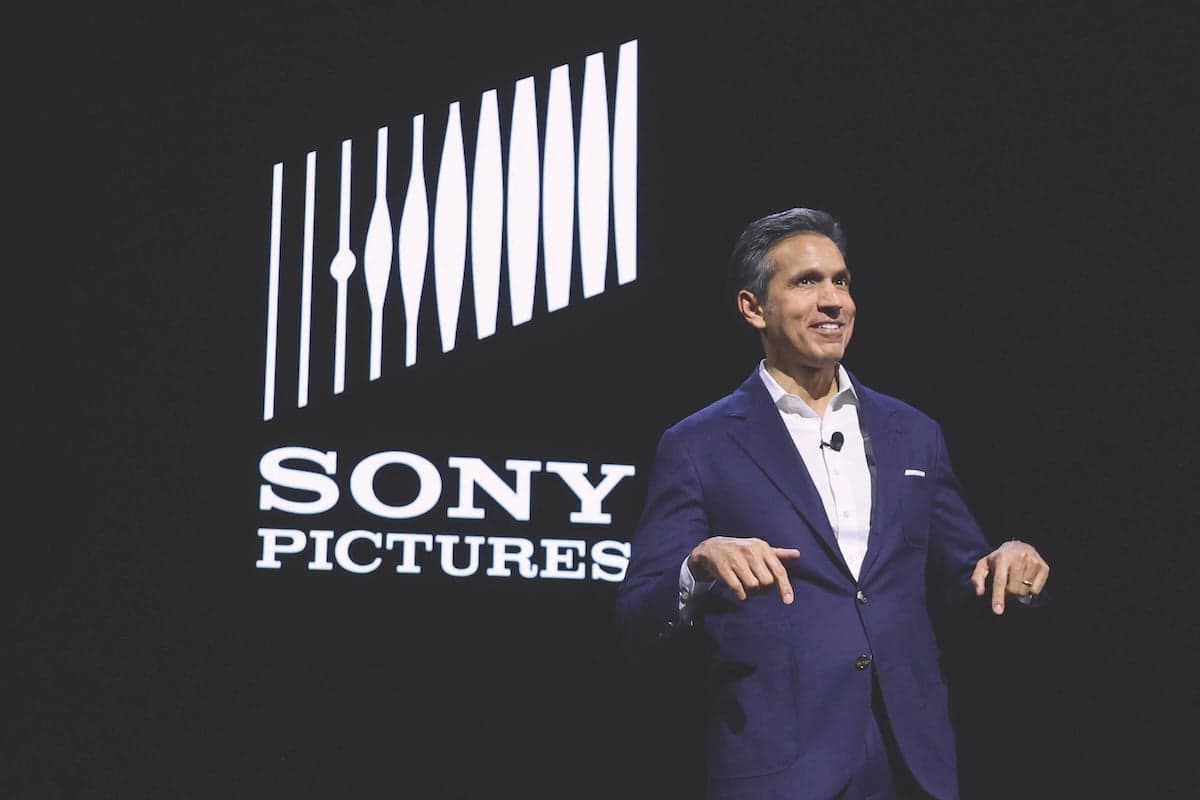
- •Sony announced 133 layoffs, 111 at Culver City headquarters
- •Disney trims 8% of Marvel staff amid franchise profit decline
- •Domestic theatrical releases fell 26% year‑over‑year, prompting caution
- •Studios pivot to streaming, gaming and live‑event revenue streams
Pulse Analysis
Hollywood’s post‑pandemic recovery is proving uneven, as studios grapple with lingering supply‑chain disruptions, talent strikes and the rising cost of on‑location production. The recent layoffs at Disney and Sony underscore a broader industry contraction, reflected in a 26% decline in domestic theatrical releases compared with 2019 levels. Executives are also confronting the accelerating impact of artificial intelligence, which threatens traditional creative roles and forces a reevaluation of labor needs across film, television and corporate functions.
In response, both Disney and Sony are reshaping their strategic priorities. Disney’s new chief, Josh D’Amaro, is streamlining operations, notably cutting 8% of its Marvel workforce—a franchise that, despite generating over $30 billion since 2009, now faces diminishing returns, with an estimated $619 million loss per film from 2023‑2025. Sony, under Ravi Ahuja, is reallocating resources toward high‑growth areas such as PlayStation‑based adaptations and its Crunchyroll streaming platform. This pivot toward IP‑centric, lower‑cost content reflects a risk‑averse mindset that favors proven franchises and digital distribution over speculative theatrical ventures.
Market reaction has been surprisingly positive; Disney’s shares rose roughly 5% to $104.53, while Sony’s ticked up to $21.52, suggesting investors view the cuts as a prudent cost‑control measure. Looking ahead, industry analysts predict a renewed emphasis on live‑event experiences—plays, musicals and immersive shows—where AI’s influence remains limited. By leveraging their extensive intellectual property libraries in these formats, studios can diversify revenue streams and mitigate the volatility of the theatrical market, offering a more resilient growth path for shareholders and creators alike.
Studio System Under Strain
Comments
Want to join the conversation?
Loading comments...