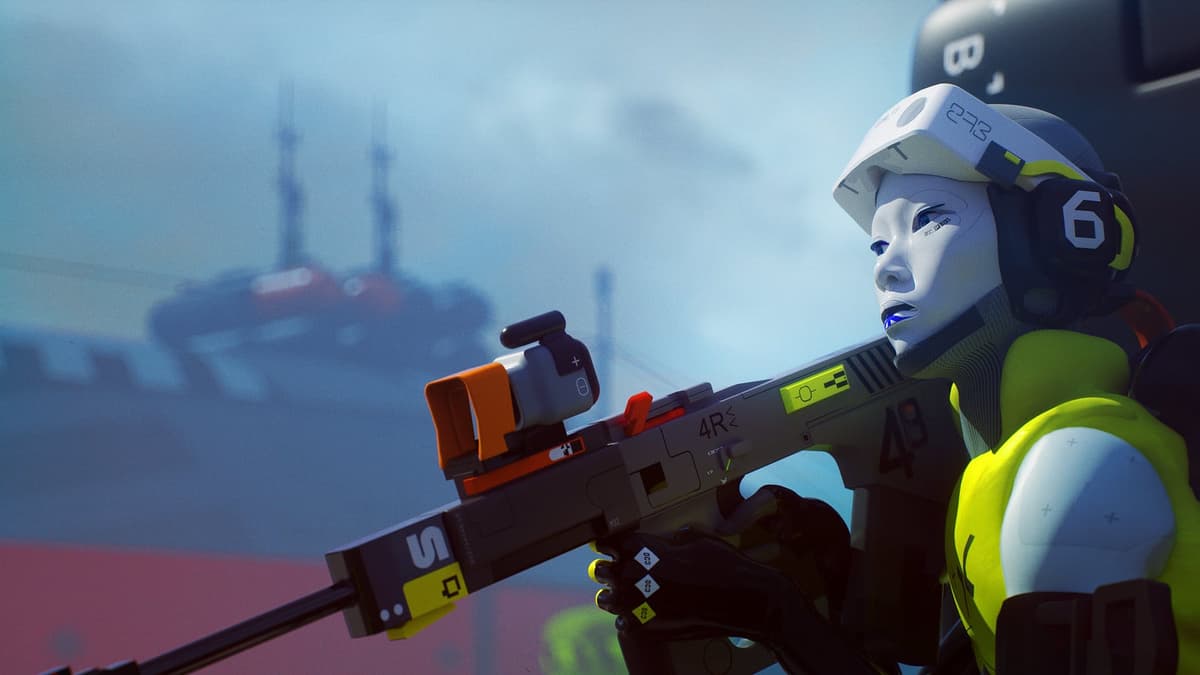
The Artist Whose Work Was Used in Marathon without Permission Has Been Credited as Visual Design Consultant
•March 6, 2026
0
Why It Matters
The case highlights growing pressure on large studios to respect independent creators' intellectual property, setting a precedent for tighter asset‑sourcing controls across the industry.
Key Takeaways
- •Bungie admitted unauthorized use of Hook's artwork in Marathon
- •Former staff member responsible for the infringement was identified
- •Hook credited as visual design consultant in released game
- •Settlement details remain undisclosed, but Hook expressed satisfaction
- •Incident underscores need for stricter asset verification processes
Pulse Analysis
The Marathon controversy underscores a broader shift in the gaming ecosystem, where independent artists increasingly demand transparent credit and compensation for their work. As studios scale up production, the temptation to repurpose readily available assets grows, but legal and reputational risks are mounting. Hook’s public accusation forced Bungie to confront a lapse in its internal vetting, illustrating how a single social‑media post can trigger corporate introspection and policy overhaul.
Bungie's response—public acknowledgment, removal of the disputed material, and the addition of Hook as a "visual design consultant"—signals a strategic effort to mitigate fallout and rebuild trust. While the exact terms of the settlement remain private, the visible credit serves both as restitution and a public relations move to reassure the creative community. Industry observers note that such gestures may become standard practice, prompting studios to embed IP compliance checks earlier in development pipelines.
Looking ahead, the Marathon episode may catalyze tighter contractual frameworks and automated provenance tools for digital assets. Developers are likely to invest in provenance tracking software and enforce stricter onboarding procedures for freelancers and contractors. For consumers, transparent handling of IP disputes can enhance brand credibility, especially as gamers increasingly value ethical production practices. Ultimately, the incident reinforces the notion that respecting creator rights is not just a legal obligation but a competitive advantage in a market where authenticity and community goodwill drive long‑term success.
The artist whose work was used in Marathon without permission has been credited as visual design consultant
0
Comments
Want to join the conversation?
Loading comments...