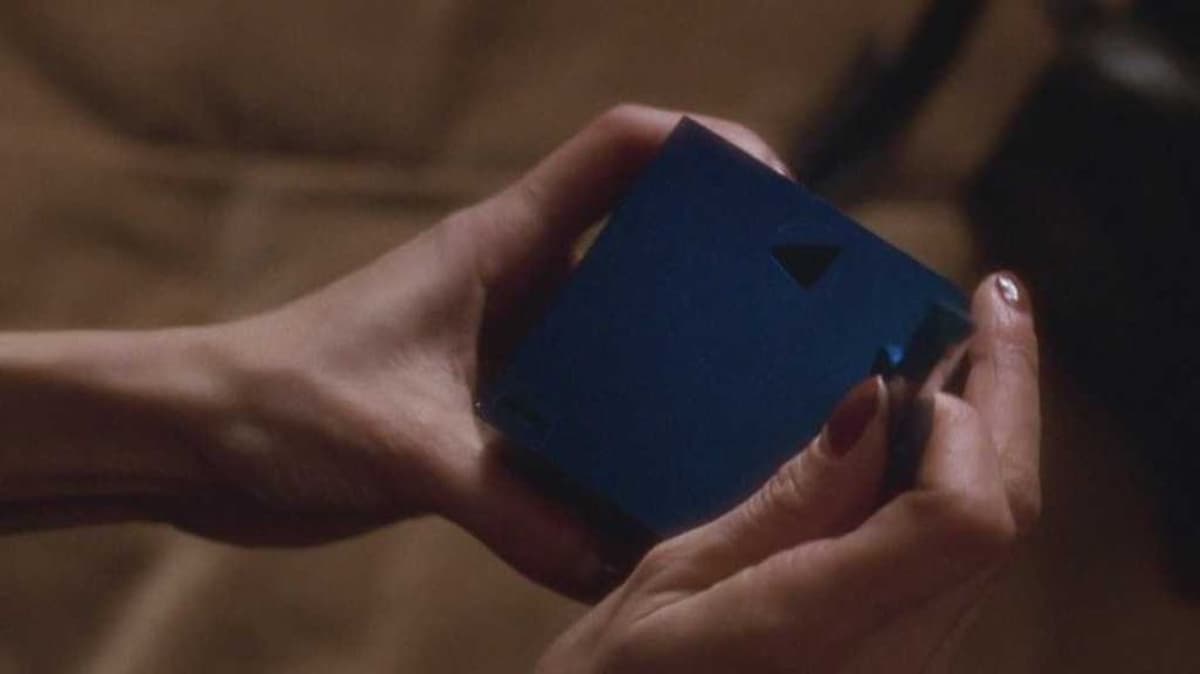
The Blue Box in ‘Mulholland Drive’ Isn’t What You Think
•February 11, 2026
0
Why It Matters
It shows how visual metaphors can replace conventional exposition, influencing modern filmmakers and marketers seeking immersive, emotion‑driven narratives.
Key Takeaways
- •Blue box marks transition from dream to harsh reality
- •It contains darkness, not a literal secret
- •Symbolizes Diane Selwyn’s collapsing subconscious
- •Key signals murder, shattering her imagined life
- •Lynch uses object to subvert conventional MacGuffin expectations
Pulse Analysis
MacGuffins have long driven plot momentum, from "Rosebud" to the glowing briefcase. David Lynch, however, flips the trope in "Mulholland Drive" by presenting a blue box that never reveals a tangible prize. Instead of a conventional clue, the object becomes a visual metaphor for the film’s fractured psyche. The blue box appears during the climactic transition, inviting viewers to search for meaning while simultaneously denying a literal answer, a move that reinforces Lynch’s reputation for subconscious, atmosphere‑first storytelling.
The box’s interior is a void, and when Rita opens it the camera dives into darkness, mirroring Diane Selwyn’s mental collapse. This visual cue replaces exposition, forcing the audience to confront the loss of the dream identity of Betty and the emergence of Diane’s bitter reality. The accompanying blue key, delivered after the hit on Camilla, functions as a psychological trigger rather than a physical lock, shattering the illusion of control and exposing the character’s guilt. In Lynch’s logic, the objects open nothing but the truth.
Lynch’s subversion of the MacGuffin offers a template for creators who prefer mood over mechanics. By letting an object symbolize internal collapse, filmmakers can convey complex emotional states without heavy dialogue, a technique increasingly valuable in an age of short‑form content and algorithm‑driven recommendations. Marketers can borrow this approach, using visual symbols to trigger subconscious responses rather than explicit calls to action, thereby deepening brand storytelling. The blue box reminds industry professionals that mystery, when purposefully unresolved, can be a powerful engine for audience engagement and lasting impact.
The Blue Box in ‘Mulholland Drive’ Isn’t What You Think
0
Comments
Want to join the conversation?
Loading comments...