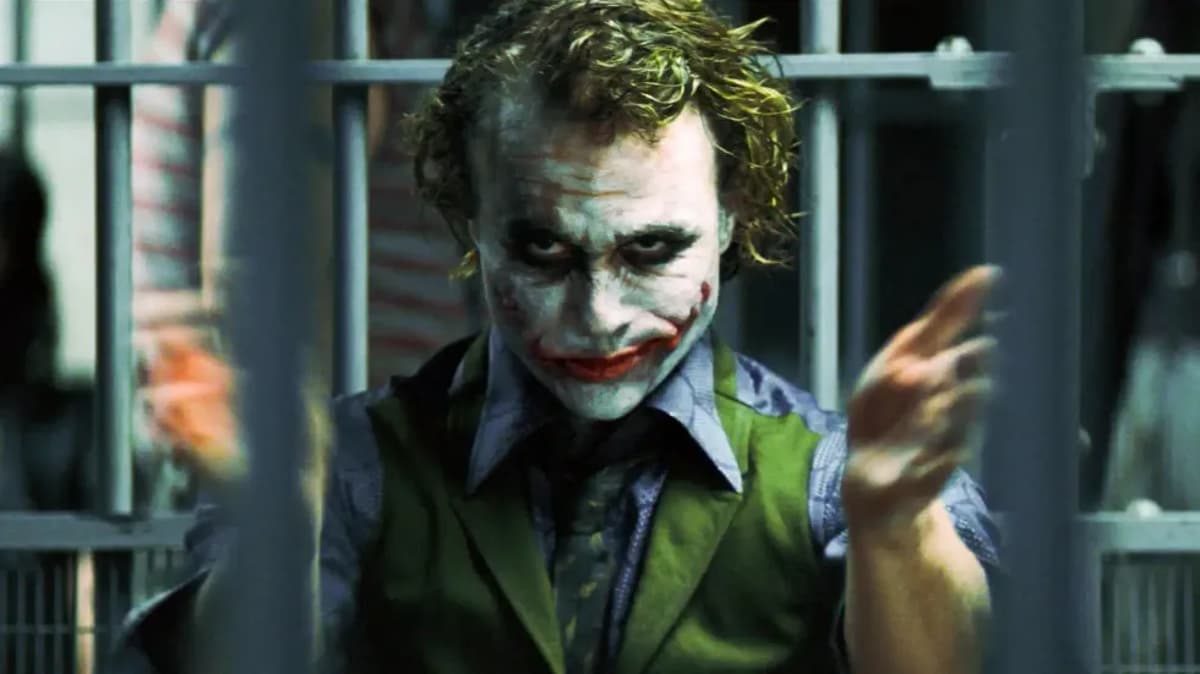
The Bus Flip: How ‘The Dark Knight’ Used Action to Reveal an Antagonist
•February 11, 2026
0
Why It Matters
It shows that action‑driven character reveal can heighten intrigue and streamline exposition, reshaping how superhero films craft memorable villains.
Key Takeaways
- •Action replaces exposition in Joker’s introduction
- •Heist choreography reveals Joker’s chaotic intellect
- •Behavior, not backstory, defines antagonist
- •Writers gain a template for dynamic villains
Pulse Analysis
Superhero cinema often leans on expositional dialogue to flag the villain, but Christopher Nolan flips that script in *The Dark Knight*. By embedding the Joker’s introduction within a meticulously staged bank heist, the film treats action as a narrative device rather than mere spectacle. This approach aligns with a broader industry shift toward visual storytelling, where audiences decode character motives through kinetic set‑pieces, enhancing immersion and reducing reliance on clunky exposition.
The bus‑flip scene functions as a micro‑study of the Joker’s psyche. Each gunshot, betrayal, and the final grenade‑to‑mouth moment illustrates a calculated chaos that defines his brand of villainy. Rather than presenting a motive, Nolan showcases the Joker’s strategic mind, turning the heist into a character study. This method not only amplifies tension but also establishes a thematic through‑line: the film’s conflict is as much psychological as it is physical, a hallmark that has influenced subsequent blockbuster antagonists.
For screenwriters, the lesson is clear: let antagonists act before they speak. By foregrounding behavior, filmmakers can craft villains who feel both unpredictable and deeply rooted in the story’s core conflict. This technique has seeped into newer superhero franchises, encouraging creators to design action sequences that double as character exposition. As studios chase fresh ways to differentiate their IPs, Nolan’s action‑first villain introduction stands as a timeless template for compelling, market‑ready storytelling.
The Bus Flip: How ‘The Dark Knight’ Used Action to Reveal an Antagonist
0
Comments
Want to join the conversation?
Loading comments...