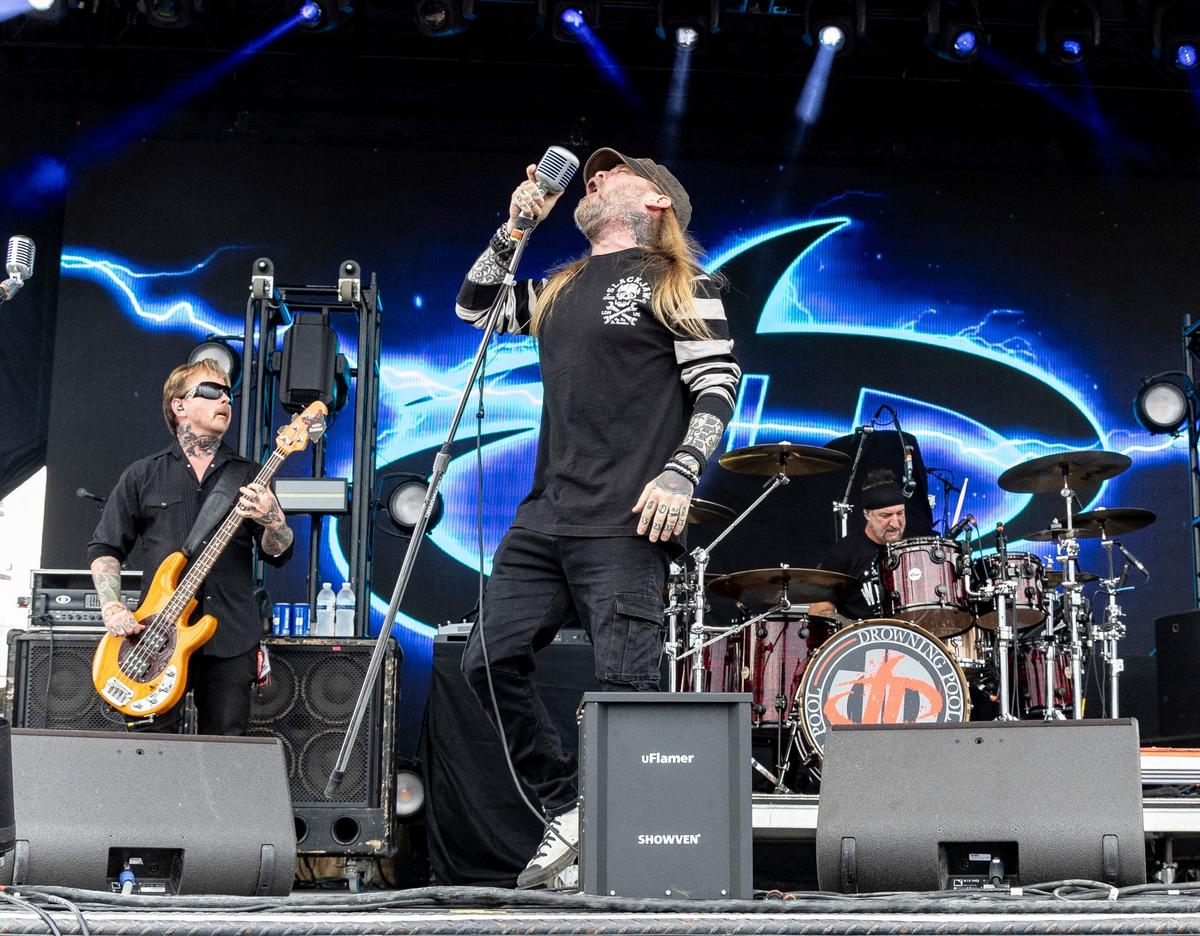
This 2000s Metal Band Canceled Their Tour Over ‘Logistics’, but Organizers Claim It Was Actually ‘Low Ticket Sales’
Why It Matters
The dispute highlights how fragile live‑music revenue streams are when ticket demand falters, and it underscores the operational risks promoters face in emerging markets. It also signals to artists that transparent communication about sales performance is increasingly critical for brand trust.
Key Takeaways
- •Drowning Pool's South American tour canceled amid low ticket sales claims
- •Band cites logistics and missed deadlines as primary reason
- •Organizers say all cities recorded poor ticket sales
- •Refunds handled by local ticket vendors per promoter instructions
- •Similar cancellations affect 2000s metal peers like Static‑X
Pulse Analysis
The live‑music sector has long relied on robust ticket sales to offset the high fixed costs of touring, especially in regions where infrastructure and distribution networks are less mature. When demand stalls, promoters must quickly decide whether to push forward, renegotiate terms, or cut losses. In South America, where venue capacities and pricing structures differ markedly from North America and Europe, even established acts can encounter unexpected shortfalls that jeopardize an entire itinerary.
Drowning Pool's abrupt withdrawal illustrates the tension between artist narratives and promoter data. While guitarist C.J. Pierce framed the cancellation as a logistics failure—missed deadlines, red tape, and travel constraints—the promoters' joint statement pointed to low ticket sales as the decisive factor. This divergence not only confuses fans but also raises questions about contractual obligations and revenue‑sharing models. Refund processes, delegated to local ticket agencies, add another layer of complexity, potentially eroding consumer confidence if not managed swiftly and transparently.
The episode is part of a broader pattern of tour disruptions among legacy metal bands, exemplified by Static‑X's medically driven cancellations. Such setbacks can ripple through ancillary markets, affecting venue staff, local economies, and merchandise sales. For the genre’s stakeholders, the lesson is clear: diversified revenue streams, real‑time sales analytics, and proactive fan communication are essential to mitigate risk and sustain touring viability in a post‑pandemic landscape.
This 2000s Metal Band Canceled Their Tour Over ‘Logistics’, but Organizers Claim It Was Actually ‘Low Ticket Sales’
Comments
Want to join the conversation?
Loading comments...