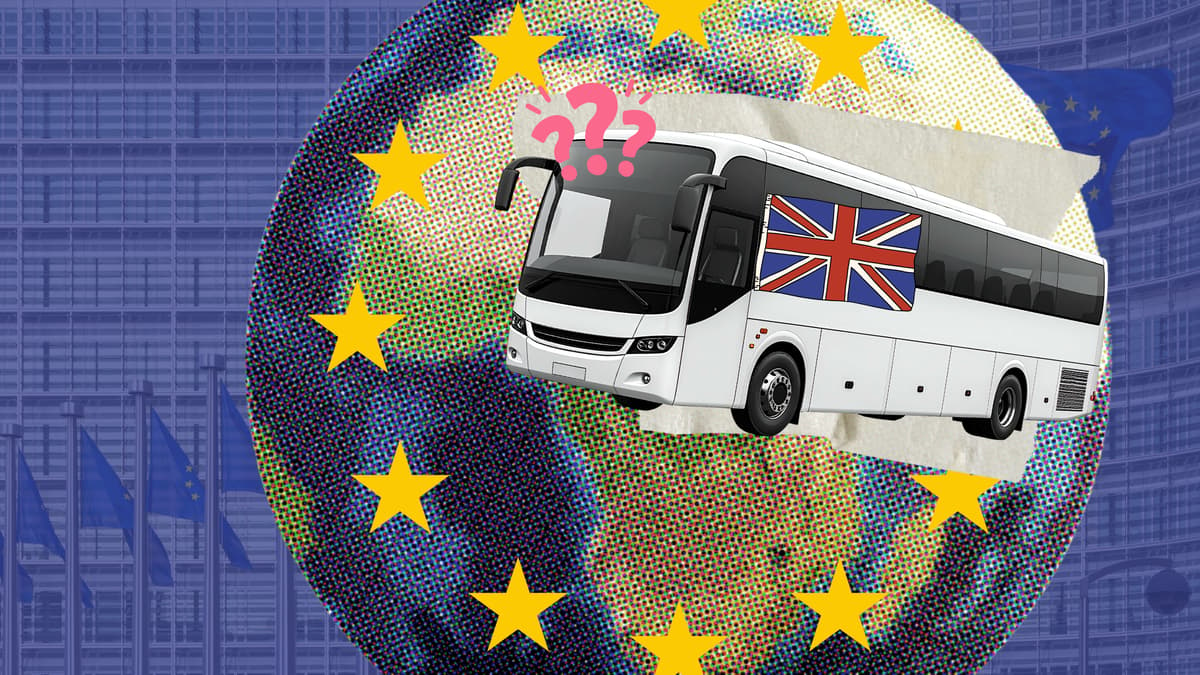
UK Government Should Prioritise Tackling Post-Brexit Touring Issues at Next EU Summit, MPs Tell Ministers
Why It Matters
The live‑music sector generates roughly £1.5 billion annually, so unresolved touring barriers threaten revenue, jobs and cultural exchange between the UK and Europe.
Key Takeaways
- •MPs demand touring issues be top agenda at next UK‑EU summit
- •Visa, carnet, and cabotage rules increase costs for UK artists in EU
- •Report calls for bilateral cultural agreements with individual EU states
- •Government urged to fund a touring advice hub within 12 months
- •Industry groups report no progress since 2025 EU‑UK travel pledge
Pulse Analysis
Since the United Kingdom left the European Union in 2020, touring musicians have faced a patchwork of regulations that were never part of the original trade deal. Separate visa applications, costly customs carnets for instruments, and strict cabotage rules now add administrative burdens and erode profit margins for bands, solo artists and their crews. The live‑music sector contributes roughly £1.5 billion annually to the UK economy, so even modest cost increases can translate into millions of lost revenue and fewer cultural exchanges across the continent.
The Culture Select Committee’s new report, tabled by MP Caroline Dinenage, groups these obstacles into three categories and urges the government to place them at the forefront of the upcoming UK‑EU summit. Recommendations include launching bilateral cultural agreements with individual member states, subsidising carnet fees, and establishing a dedicated touring advice hub within twelve months. Industry bodies such as UK Music and the Cultural Exchange Coalition have repeatedly warned that promises made after the 2025 summit have not materialised, leaving artists to navigate a fragmented bureaucracy without clear guidance.
Resolving the touring bottlenecks would restore the United Kingdom’s competitive edge in Europe’s live‑performance market and reinforce cultural diplomacy that benefits both sides of the Channel. A streamlined visa process and predictable logistics could encourage more UK acts to schedule multi‑city tours, boosting ticket sales, ancillary tourism spend and cross‑border collaborations. Policymakers now have a narrow window before the summit to demonstrate tangible support; doing so would signal a commitment to the creative economy and protect a sector still recovering from pandemic and Brexit disruptions.
UK government should prioritise tackling post-Brexit touring issues at next EU summit, MPs tell ministers
Comments
Want to join the conversation?
Loading comments...