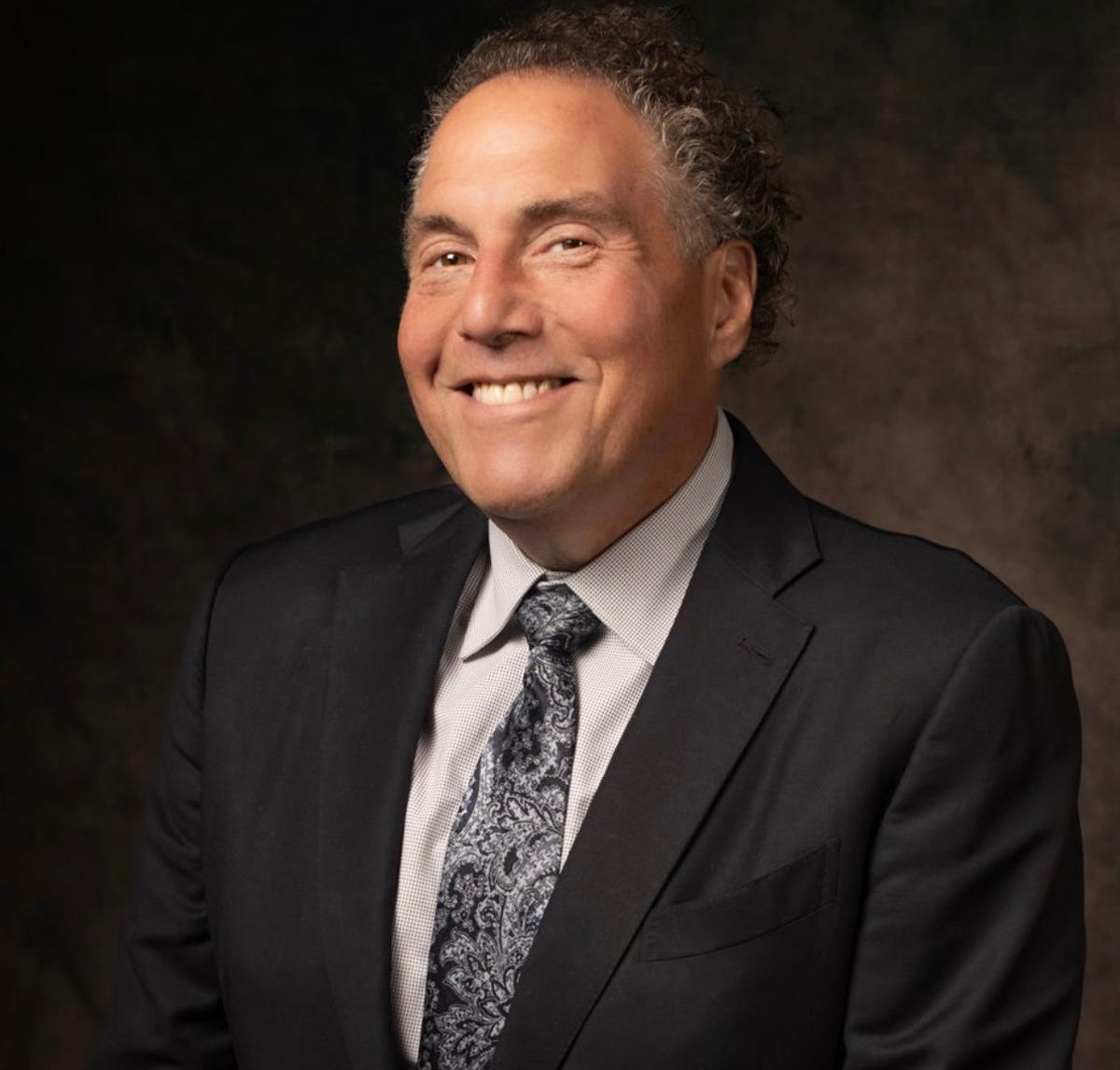
Warshaw: Soros Fund Hid Verbal Audacy Deal
•March 4, 2026
0
Companies Mentioned
Why It Matters
The case could set a key precedent on the enforceability of verbal agreements in distressed‑debt transactions and influence how investment funds structure compensation. It also puts Audacy’s leadership transition under prolonged legal uncertainty.
Key Takeaways
- •Warshaw claims 5% profit share if not appointed CEO
- •SFM argues agreement too vague under Connecticut law
- •Filing cites industry‑standard profit‑sharing contracts as precedent
- •Case could clarify enforceability of verbal deals in distressed debt
- •Potential 2027 jury trial keeps Audacy leadership in limbo
Pulse Analysis
The Warshaw‑Soros dispute highlights how distressed‑debt specialists often rely on informal profit‑sharing arrangements to align incentives. Warshaw’s track record of similar deals suggests that a verbal promise of a 5% share or a CEO seat is not unusual in this niche, where speed and confidentiality can outweigh formal documentation. By positioning the agreement as a standard industry practice, Warshaw aims to demonstrate that the lack of written terms does not diminish contractual certainty.
Under Connecticut law, the Unfair Trade Practices Act and precedents on verbal contracts become focal points. SFM’s motion to strike hinges on the claim that the alleged agreement lacks the specificity required for enforceability, especially if framed as an employment contract. Warshaw’s opposition leans on district‑court rulings that allow courts to infer payment terms from industry norms, arguing that a contract leaving exact figures to later determination remains binding. The court’s decision on the motion will signal how aggressively Connecticut courts will enforce oral deals in high‑stakes financial transactions.
Beyond the courtroom, the litigation could ripple through the broader media and investment landscape. A ruling favoring Warshaw would reinforce the legitimacy of verbal profit‑sharing clauses, potentially prompting funds to adopt more rigorous documentation practices to avoid future disputes. Conversely, a decision siding with SFM may push firms toward stricter written agreements, reshaping negotiation dynamics in distressed‑debt acquisitions. For Audacy, the prolonged legal battle adds uncertainty to its leadership pipeline, which could affect stakeholder confidence and valuation as the company navigates a competitive broadcast market.
Warshaw: Soros Fund Hid Verbal Audacy Deal
0
Comments
Want to join the conversation?
Loading comments...