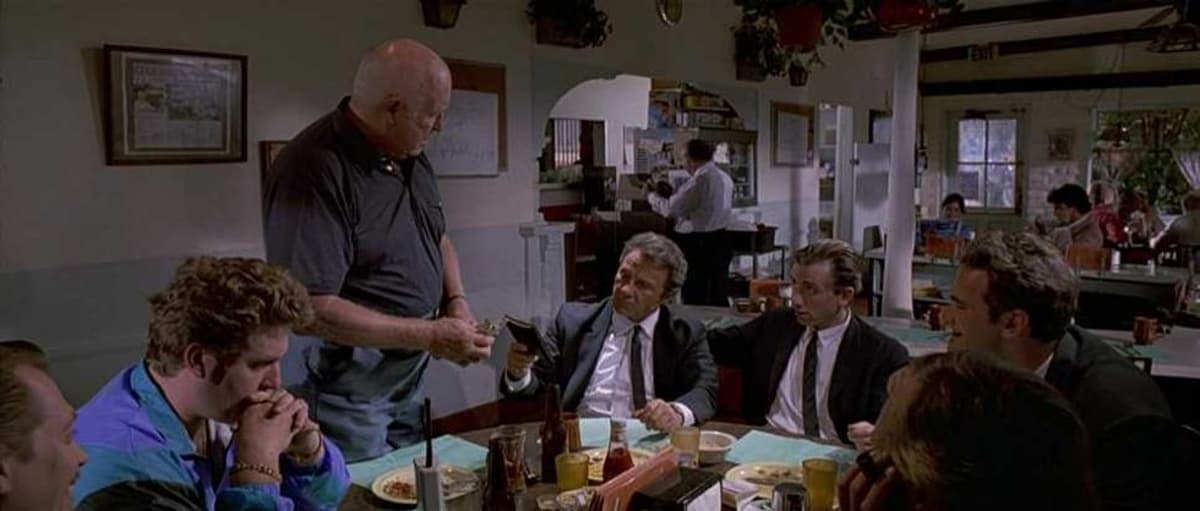
What Made the Opening Scene of 'Reservoir Dogs' Iconic?
•February 6, 2026
0
Why It Matters
It demonstrates that compelling storytelling can be achieved through dialogue and camera craft rather than expensive spectacle, influencing both film production and brand content strategies. The approach shows investors that originality, not budget, drives audience engagement.
Key Takeaways
- •Dialogue reveals characters, not plot.
- •Orbiting dolly shot creates immersive tension.
- •Subverts crime‑genre archetypes with mundane conversation.
- •Shows low budget can attract investors.
- •Influences modern scriptwriting and brand storytelling.
Pulse Analysis
Tarantino’s opening sequence broke the conventional heist‑film formula by discarding expository dialogue in favor of a seemingly casual conversation about Madonna’s "Like a Virgin" and tipping etiquette. This choice forces the audience to infer motives and relationships from personality quirks, turning the diner into a character study rather than a plot device. For creators across media, the lesson is clear: authentic voice can replace costly exposition, allowing tighter budgets while still delivering memorable engagement.
The visual language of the scene is equally revolutionary. Cinematographer Andrzej Sekuła employed a slow, orbiting dolly that circles the table, capturing every reaction and creating a hypnotic rhythm. The movement builds intimacy, making viewers feel like a ninth participant, then abruptly cuts to a violent car‑interior sequence, delivering a visceral jolt. This technique has been emulated in countless productions, proving that strategic camera motion can amplify tension without additional effects, a valuable insight for cost‑conscious studios and advertising agencies alike.
Beyond cinema, the opening’s success reshaped how investors evaluate projects. By showcasing that a low‑budget film can generate buzz through distinctive storytelling and visual flair, Tarantino convinced financiers that originality outweighs spectacle. Modern brands now borrow this principle, using strong narrative voices and clever framing to capture attention in crowded digital spaces. The Reservoir Dogs diner scene thus serves as a case study in leveraging creative constraints to achieve commercial impact, a strategy that resonates with startups, content marketers, and any business seeking high ROI from limited resources.
What Made the Opening Scene of 'Reservoir Dogs' Iconic?
0
Comments
Want to join the conversation?
Loading comments...