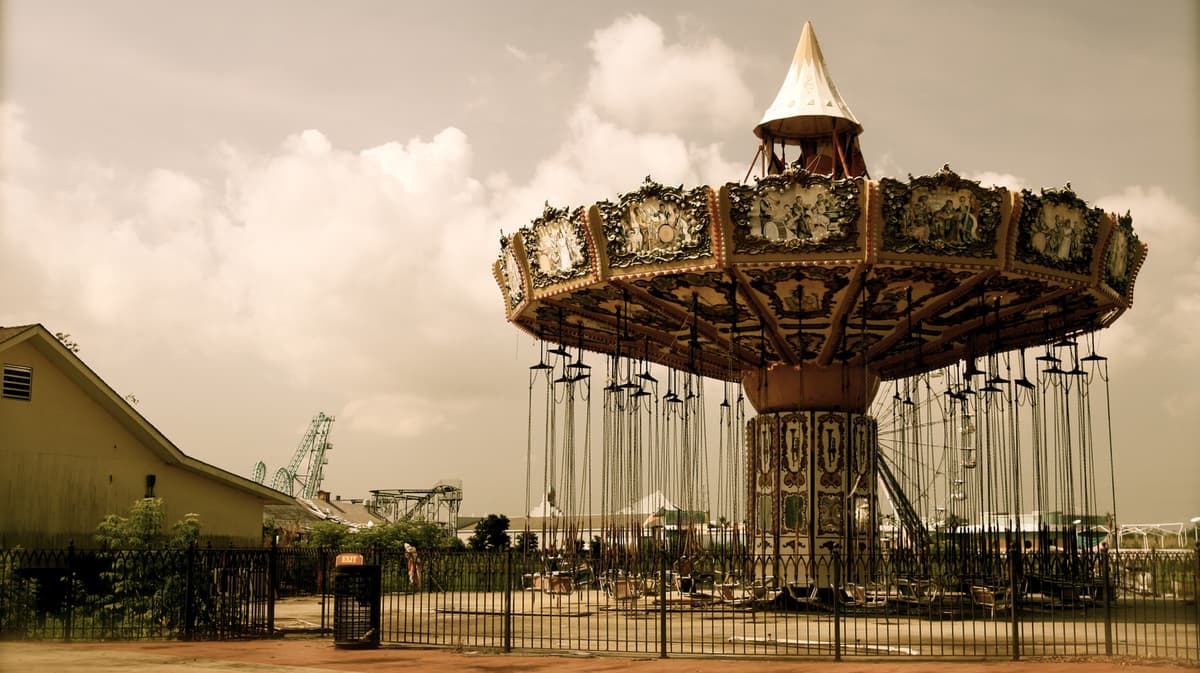
What Really Happens To The Rides After An Amusement Park Closes Forever?
Why It Matters
The secondary market for decommissioned rides reshapes capital spending in the amusement industry and influences redevelopment costs for closed sites. Understanding these dynamics helps investors, operators, and municipalities gauge financial and regulatory impacts of park closures.
Key Takeaways
- •Used coasters sell for up to 80% less than new models
- •Six Flags relocates rides to cut capital expenditures
- •Abandoned rides may be scrapped or preserved by museums
- •Demolition of closed parks can exceed $1 million in costs
Pulse Analysis
The resale ecosystem for amusement‑park attractions has become a niche yet lucrative segment of the broader entertainment‑equipment market. Brokers and specialized online platforms connect defunct parks with regional operators, private enthusiasts, and even overseas buyers. Because a brand‑new roller coaster can cost $5 million to $10 million, a pre‑owned coaster priced at $1 million to $2 million offers a compelling value proposition, especially for mid‑size parks looking to refresh their lineup without breaking the bank.
Financially, repurposing rides mitigates the hefty demolition expenses that can exceed $1 million per site, a figure that often stalls redevelopment projects. Six Flags, for example, routinely harvests rides from shuttered locations, turning potential write‑offs into revenue‑generating assets. This strategy not only preserves capital but also shortens the lead time for new attractions, as dismantling and re‑erection typically take months rather than years required for ground‑up construction.
Beyond economics, the fate of abandoned rides touches on heritage preservation and regulatory challenges. Museums like the Amusement Preservation Museum acquire entire rides, safeguarding cultural history while offering public education. Meanwhile, private owners face zoning, insurance, and safety compliance hurdles that can limit the feasibility of operating a coaster in a residential setting. As the industry continues to consolidate, the secondary market will likely expand, prompting tighter oversight and new business models that blend entertainment, nostalgia, and asset optimization.
What Really Happens To The Rides After An Amusement Park Closes Forever?
Comments
Want to join the conversation?
Loading comments...