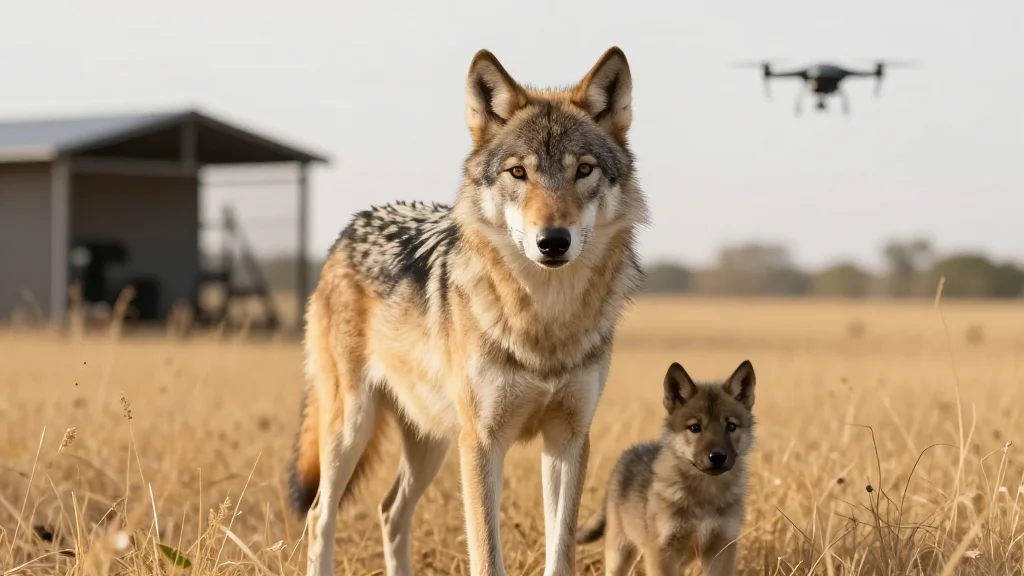
Colossal Biosciences' Dire Wolves Reach Breeding Age, Paving Way for De‑Extinction Market

Companies Mentioned
Why It Matters
The breeding‑age status of Colossal’s dire wolves moves de‑extinction from laboratory curiosity to a nascent market segment. If the company can demonstrate a viable pathway to a self‑sustaining population, it may attract a new wave of biotech investment focused on climate‑resilient ecosystems and biodiversity restoration. Conversely, the ethical and ecological debates surrounding engineered predators could shape regulatory frameworks that affect all future de‑extinction attempts. Beyond the immediate scientific achievement, the project tests the commercial model of charging for high‑value genetic services, licensing of edited embryos, and potential ecotourism revenue from semi‑wild preserves. The outcome will inform whether de‑extinction can become a scalable business or remain a niche, grant‑funded endeavor.
Key Takeaways
- •Three de‑extinct dire wolves have reached breeding age in a 2,000‑acre Texas preserve.
- •Colossal plans to add 2‑4 genetically diverse pups via assisted reproduction before natural breeding.
- •The company’s de‑extinction pipeline also includes woolly mammoth, thylacine, dodo, moa, and bluebuck antelope.
- •CEO Ben Lamm and Chief Animal Officer Matt James highlighted the milestone as a step toward a sustainable population.
- •Success could unlock new venture capital, while ethical concerns may prompt tighter regulation.
Pulse Analysis
Colossal’s breeding‑age announcement is less about a single species and more about validating a business model that hinges on rapid iteration of genome editing, surrogate gestation, and semi‑wild rearing. Historically, biotech startups have struggled to monetize conservation‑focused science because outcomes are long‑term and public‑good oriented. By framing the dire wolf pack as a test case for assisted reproduction, Colossal is creating a repeatable process that could be packaged for other high‑profile targets, such as the woolly mammoth, which promises ecosystem services in the Arctic.
The market implication is twofold. First, investors now have a tangible milestone—breeding‑age animals—to gauge risk, potentially accelerating funding cycles that previously waited for a live birth. Second, the public visibility of a charismatic predator may generate consumer interest, opening ancillary revenue streams like licensing footage, educational programs, or controlled ecotourism. However, the venture faces a parallel risk: any misstep in animal welfare or ecological impact could trigger a backlash that reverberates across the broader biotech sector, prompting stricter oversight and slowing capital inflows.
Looking ahead, the key determinant will be data transparency. If Colossal publishes robust health, genetic diversity, and behavior metrics, it can set industry standards that reassure both regulators and investors. Conversely, opaque reporting could fuel skepticism and invite legislative hurdles. The next six months—when the company aims to release additional pups—will be the litmus test for whether de‑extinction can transition from a scientific novelty to a sustainable entrepreneurial frontier.
Colossal Biosciences' Dire Wolves Reach Breeding Age, Paving Way for De‑Extinction Market
Comments
Want to join the conversation?
Loading comments...