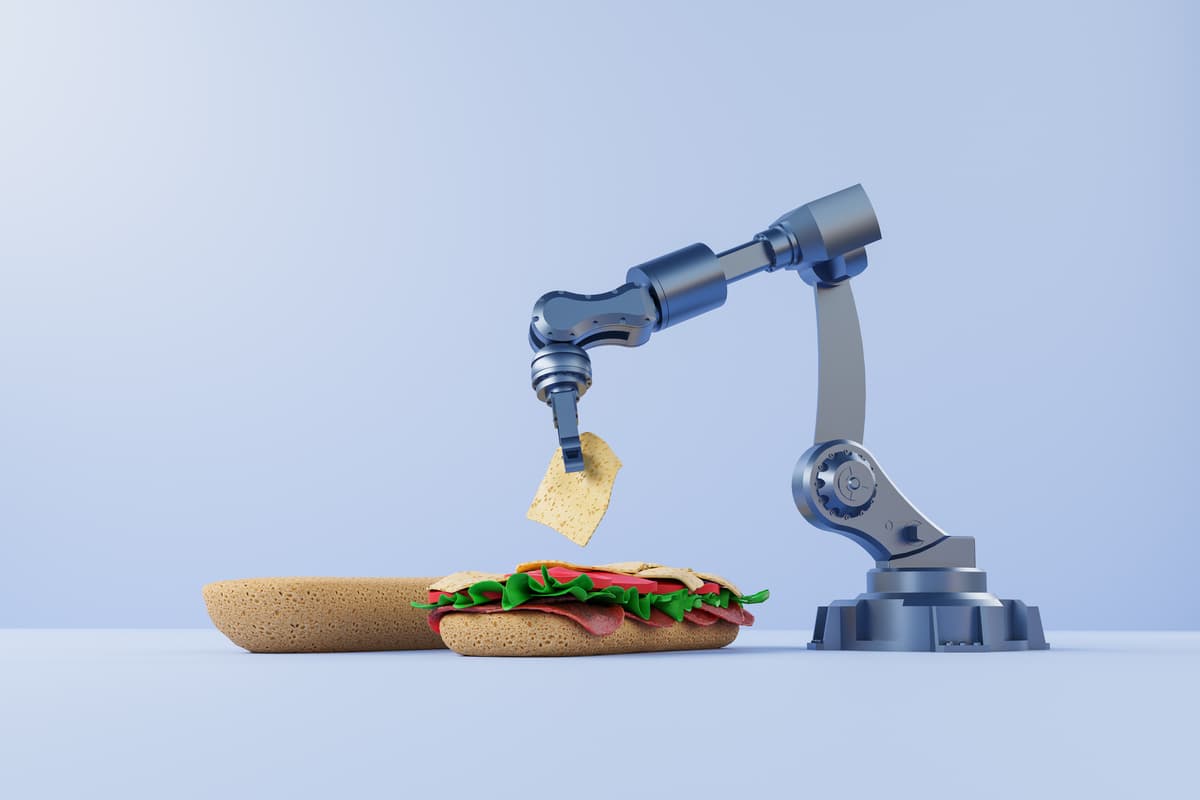
How a Robot (Sort of) Made Me Lunch
Why It Matters
Automating high‑volume salad assembly could slash labor expenses and enable lower menu prices, while reshaping entry‑level kitchen jobs. The technology signals a tipping point for broader adoption of AI‑driven food robotics in the fast‑casual sector.
Key Takeaways
- •Kaikaku AI raised $1.8M to pilot food assembly robot in London
- •Fusion robot can dispense up to 360 bowls per hour
- •Labor costs and skill shortages boost kitchen automation interest
- •Cheaper parts and AI advances revive failed Spyce model
- •Humans still required for rice, mixing and final plating
Pulse Analysis
The fast‑casual dining landscape is seeing a new wave of automation as startups like Kaikaku AI bring robotics to the front line of food preparation. In a London pilot, the company’s Fusion system uses AI‑driven weight sensors and a conveyor‑based dispenser to assemble poke‑bowl ingredients at a speed that could eclipse a full human crew. Backed by $1.8 million in venture capital, the trial demonstrates how relatively modest funding can unlock a proof‑of‑concept that blends low‑cost hardware with sophisticated machine‑learning models.
Fusion’s design leverages recent drops in the price of servo motors, food‑safe 3D‑printed components, and advances in computer vision that allow the robot to weigh and portion items with near‑human precision. The system advertises a theoretical throughput of 360 bowls per hour, a figure that dwarfs the output of a typical kitchen line. Earlier attempts, such as Sweetgreen’s acquisition of Spyce Kitchen, faltered due to high component costs and limited AI capability. Today, cheaper parts and more powerful algorithms give Kaikaku a realistic chance to scale, positioning it as a potential benchmark for the next generation of kitchen automation.
If the technology delivers on its promise, restaurant operators could see a substantial reduction in labor spend, a critical advantage amid tightening wage pressures and chronic staff shortages. Lower operating costs may translate into more competitive pricing for consumers, while freeing human workers to focus on tasks that still require a personal touch, such as final mixing and quality checks. Investors are watching closely, as successful deployment could spark a cascade of similar solutions across the fast‑casual and quick‑service segments, reshaping the economics of food service for years to come.
How a Robot (Sort of) Made Me Lunch
Comments
Want to join the conversation?
Loading comments...