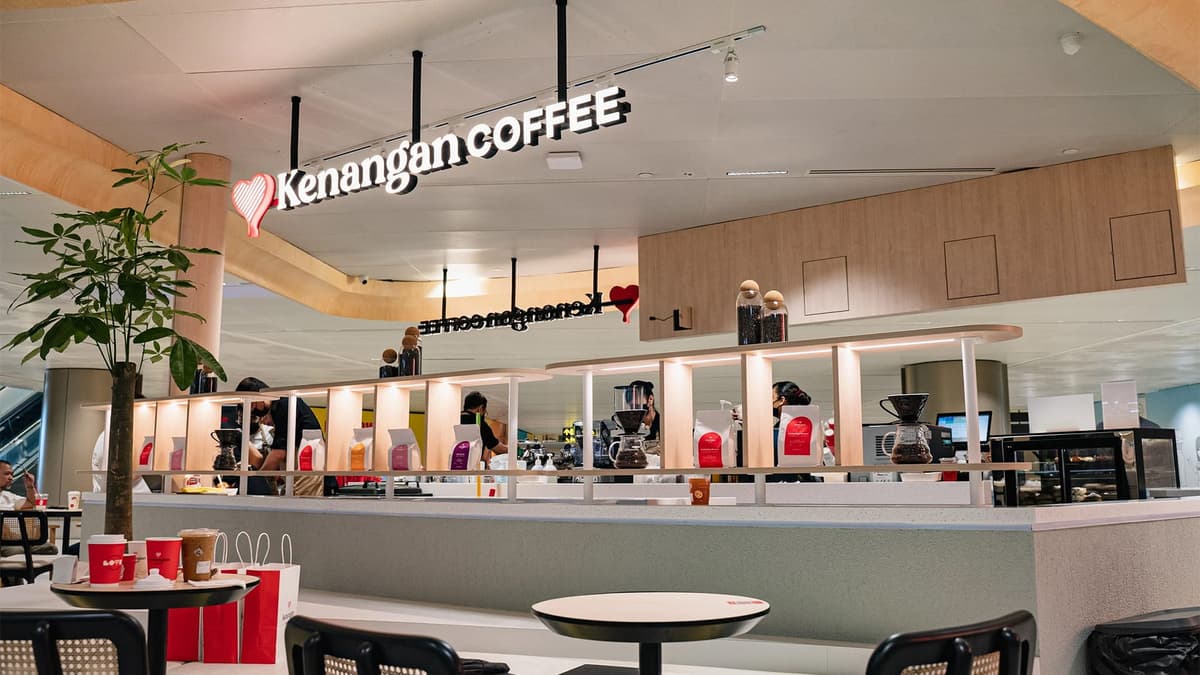
Indonesian Coffee Chains Brew Stronger Overseas Ambitions
•February 19, 2026
0
Why It Matters
The overseas push offers Indonesian brands a path to higher margins and scale amid stagnant domestic cafe growth, while reshaping the competitive landscape against global giants like Starbucks and Luckin.
Key Takeaways
- •Kenangan leads with 1,100+ Indonesian outlets
- •Chains expanding to Singapore, Malaysia, Philippines, India, Australia
- •Local sourcing and regional bean varieties differentiate brands
- •Pricing undercuts Starbucks, targeting value‑conscious consumers
- •International growth faces profitability lag and operational challenges
Pulse Analysis
Indonesia’s coffee culture is now a launchpad for home‑grown chains aiming to capture regional market share. With per‑capita consumption topping Southeast Asia, brands like Kopi Kenangan, Fore Coffee and Tomoro have built dense networks of affordable outlets that blend classic espresso drinks with Indonesian staples such as palm‑sugar latte and region‑specific beans from Aceh, Bali and Toraja. Their strategy hinges on price competitiveness and a strong local identity, allowing them to out‑pace multinational rivals in price‑sensitive markets while appealing to younger consumers who value authenticity and traceable sourcing.
The overseas expansion, however, introduces a new set of challenges. While Kenangan’s rapid rollout across Singapore, Malaysia, the Philippines, India and Australia showcases its ambition, profitability in these markets typically lags for the first two to three years due to higher real‑estate costs, supply‑chain complexities and the need to adapt store formats—from grab‑and‑go kiosks in Indonesia to larger sit‑down spaces abroad. Competitors such as Luckin Coffee and regional players like Zus Coffee and Cafe Amazon bring app‑driven efficiency and deep local insights, forcing Indonesian chains to invest heavily in technology, localized menus, and brand positioning to stay relevant.
Despite these hurdles, the sector’s growth outlook remains positive. Analysts note that Indonesia’s domestic cafe market, though modest at roughly $560 million, still has untapped potential in tier‑two and tier‑three cities, supporting aggressive store‑opening targets of 70‑75 new outlets annually for brands like Fore. Internationally, the emphasis on unique Indonesian bean profiles and affordable specialty drinks could attract coffee‑savvy consumers seeking alternatives to Western chains. If the chains can balance expansion costs with consistent product quality, they stand to turn Indonesia’s rich coffee heritage into a scalable, profitable export model.
Indonesian coffee chains brew stronger overseas ambitions
0
Comments
Want to join the conversation?
Loading comments...