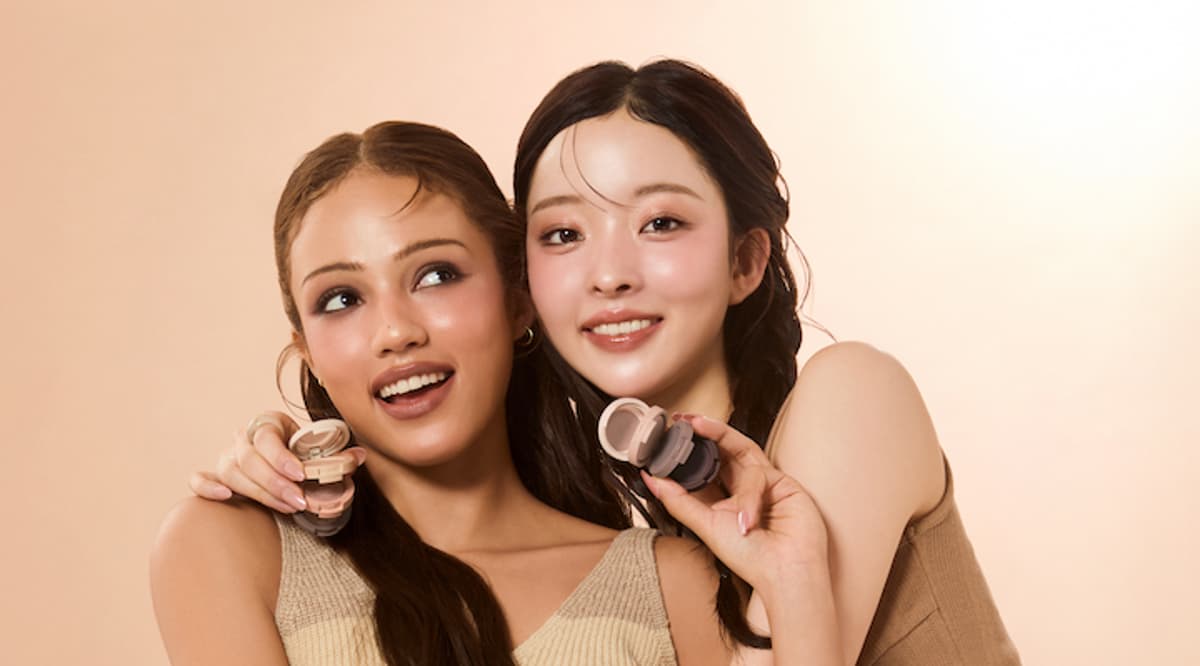
Memebox CEO Dino Ha on His 14-Year Journey Building a K-Beauty Brand
Why It Matters
Memebox’s evolution illustrates how a niche beauty segment can become a mainstream growth engine, offering investors and retailers a blueprint for scaling culturally specific products globally.
Key Takeaways
- •Memebox launched 2012 with curated K‑beauty subscription boxes
- •Shifted to DTC marketplace 2015‑2017, offering thousands of products
- •Became brand incubator, creating I Dew Care, Kaja, Pony Effect
- •Q2 2026 expects 50% YoY growth, driven by Nooni Lip Oil
- •Plans 35 million units production capacity for 2027
Pulse Analysis
South Korea’s beauty boom entered the United States as a niche hobby before becoming a mainstream category, and Memebox positioned itself at the forefront of that shift. Founded by Dino Ha in 2012, the company introduced a curated subscription box that paired product sampling with a seamless mobile checkout, a concept that pre‑dated the later flood of K‑beauty offerings from Ulta and Sephora. Ha’s background in luxury branding at Tom Ford and rapid‑scale e‑commerce at TMON gave him the toolkit to blend storytelling with digital commerce, setting a new standard for how Korean skincare reached American shoppers.
After three years of subscription growth, Memebox pivoted to a direct‑to‑consumer marketplace, expanding its catalog to thousands of Korean and global beauty items as U.S. consumers began favoring full‑size purchases over samples. Leveraging data collected from early shoppers, the firm launched its own incubated brands—such as I Dew Care, Kaja, and Pony Effect—allowing it to control product development and margins while securing shelf space at major retailers like Ulta and Sephora. This data‑driven incubator model turned Memebox from a distributor into a creator of globally recognized K‑beauty labels.
In 2026 Memebox is projecting roughly 50 percent year‑over‑year revenue growth, fueled primarily by its hero product Nooni Lip Oil, which sold 2.2 million units in 2025 and is on track to exceed 12 million units by year‑end. The company has already earmarked capacity to produce 35 million units in 2027, underscoring confidence in continued demand. A growing focus on social‑commerce channels like TikTok Shop enables organic discovery, while the still‑small share of K‑beauty in the overall U.S. market signals ample room for expansion.
Memebox CEO Dino Ha on his 14-year journey building a K-beauty brand
Comments
Want to join the conversation?
Loading comments...