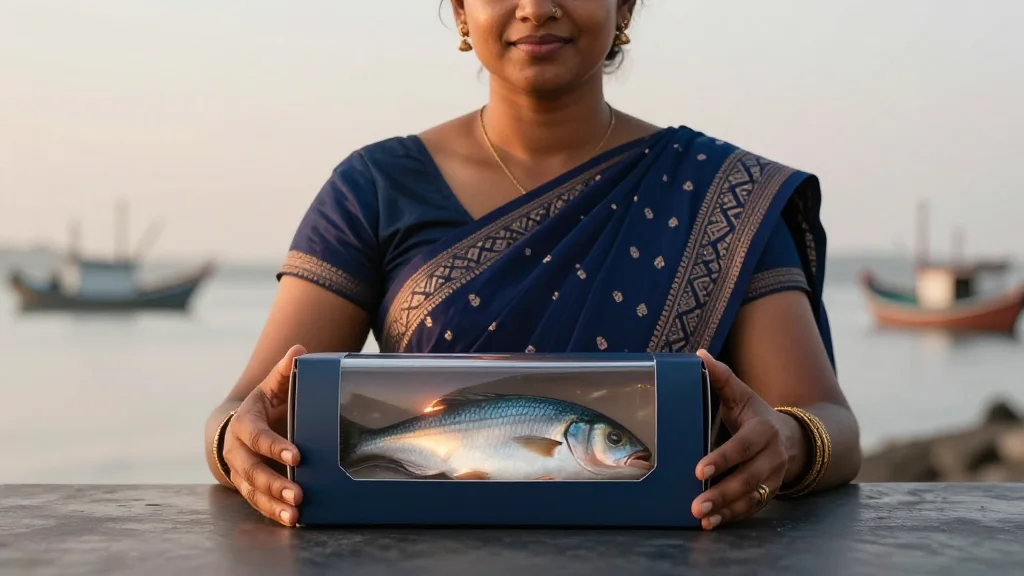
Mumbai’s Koli Women Are Rewriting the Seafood Business One WhatsApp Order at a Time
Why It Matters
DPCL demonstrates how digital tools and cooperative branding can lift a traditional, low‑margin trade into a scalable, higher‑value business, offering a template for women‑led enterprises in India’s seafood sector. Its success signals growing consumer demand for traceable, packaged marine products and highlights the economic potential of the blue economy.
Key Takeaways
- •DPCL, run by Koli women, now has over 1,000 shareholders.
- •Revenue reached ₹20 lakh (~$24k) in Q1 2026.
- •WhatsApp and Google Forms power digital orders across Mumbai, Pune.
- •Women adopt modern packaging, extending shelf life and pricing power.
- •Model mirrors Amul, aiming to boost India's blue economy.
Pulse Analysis
The Koli community, long known for its bustling fish stalls along Mumbai’s coast, is now leveraging cooperative principles to modernize a centuries‑old livelihood. Daryavardi Producer Company Limited (DPCL) was founded with a modest seed capital of ₹1 lakh (≈ $1,200) contributed by ten women directors. Within a year, the cooperative grew to more than 1,000 shareholders, pooling resources for procurement, processing, and product development. By formalizing ownership and introducing financial oversight through CEO Lalit Jadhav, DPCL has shifted from fragmented vending to a structured enterprise capable of generating measurable revenue and attracting professional services.
Digital adoption is at the heart of DPCL’s rapid scaling. Orders flow through WhatsApp and Google Forms, allowing customers in Mumbai and Pune to receive packaged fish, masalas, pickles and ready‑to‑eat snacks with reliable delivery. Training at the Indian Institute of Packaging taught the women that leak‑proof, attractive packaging not only preserves freshness but also commands premium pricing. Partnering with Seagull Advertising, the cooperative crafted a brand that blends Koli heritage with contemporary aesthetics, positioning its products in upscale food plazas, festivals and emerging cloud‑kitchen platforms. These moves have expanded market reach and opened export conversations, aligning with India’s broader push to monetize its blue economy.
Beyond profit, DPCL’s model carries social and economic significance. By echoing the Amul cooperative’s collective bargaining power, the Koli women are reclaiming agency in a city where their community has felt marginalized. The venture showcases how women‑led, technology‑enabled cooperatives can create resilient supply chains, improve food safety standards, and generate employment for low‑skill workers. As consumer preferences shift toward traceable, responsibly sourced seafood, DPCL offers a replicable blueprint for other coastal regions seeking to empower marginalized groups while fueling growth in India’s seafood market.
Mumbai’s Koli women are rewriting the seafood business one WhatsApp order at a time
Comments
Want to join the conversation?
Loading comments...