Nut‑Free Pesto Startup Besto Scales to 60 Stores, Targeting Allergy‑Sensitive Consumers

Companies Mentioned
Why It Matters
Besto illustrates how niche health concerns—such as severe nut allergies—can be transformed into viable business opportunities when entrepreneurs align product design with emerging consumer values like transparency and minimal processing. The startup’s success also signals that retailers are increasingly willing to allocate shelf space to small, perishable brands that meet specific dietary demands, challenging the dominance of shelf‑stable incumbents. For the entrepreneurship ecosystem, Besto’s rapid rollout demonstrates the power of bootstrapped, founder‑led growth: leveraging personal networks, direct‑to‑consumer fulfillment, and localized sourcing to achieve national distribution without heavy venture capital. The model may inspire other founders to address underserved dietary niches, especially as food labeling regulations tighten and consumers demand clearer ingredient disclosures.
Key Takeaways
- •Founder Kaureen Randhawa launched Besto, a fresh, nut‑free pesto, in summer 2024.
- •Besto is stocked in about 60 stores across 17 states and ships nationwide.
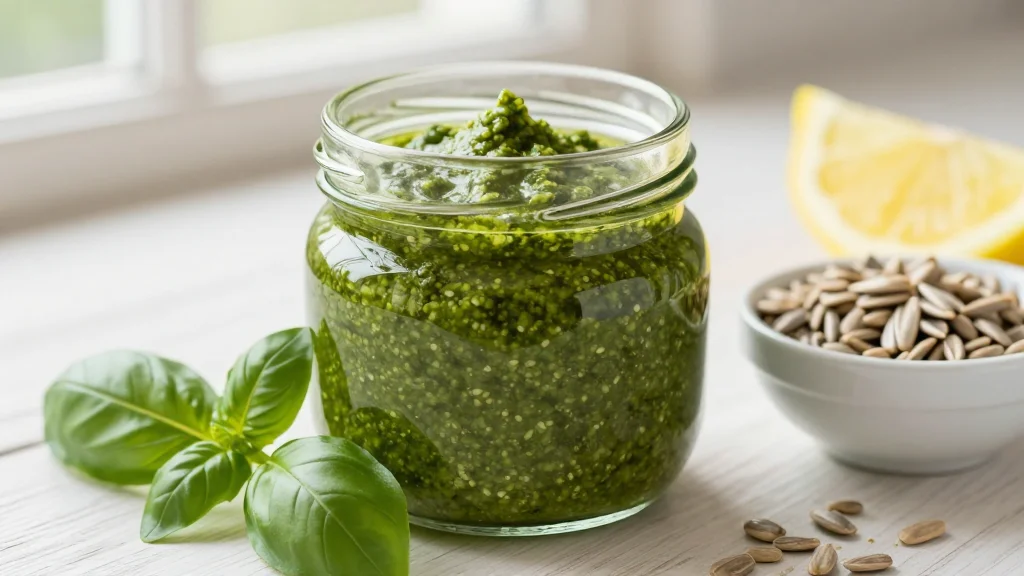
- •The sauce uses spinach and apple cider vinegar, eliminating pine nuts and catering to severe nut allergies.
- •Randhawa emphasizes perishability as a freshness guarantee, contrasting with shelf‑stable pestos.
- •Growth reflects rising consumer demand for transparent, less processed foods and allergen‑safe options.
Pulse Analysis
Besto’s trajectory highlights a shift in the food‑startup landscape where authenticity and health safety can outweigh the traditional advantage of shelf stability. Historically, manufacturers have prioritized long‑lasting products to reduce logistics costs and expand distribution. Besto flips that script, betting that consumers will accept higher price points and limited shelf life in exchange for freshness and allergen certainty. This gamble is paying off as grocery chains diversify their offerings to meet stricter labeling expectations and as health‑focused shoppers become more discerning.
The brand’s ability to scale a perishable product also underscores advances in cold‑chain technology and the growing sophistication of regional distribution networks. By partnering with local suppliers and leveraging existing refrigerated logistics, Besto sidesteps the capital‑intensive infrastructure that once barred small producers from national reach. This democratization of distribution could accelerate the entry of other specialty food startups, intensifying competition for shelf space and prompting larger manufacturers to innovate or acquire niche players.
Looking forward, Besto’s next challenge will be maintaining product consistency while expanding its flavor portfolio. As the company pursues larger retail contracts, economies of scale may pressure margins, especially if ingredient costs rise. However, if Randhawa can preserve the brand’s fresh‑food narrative and continue to resonate with allergy‑aware consumers, Besto could set a template for purpose‑driven food entrepreneurship that balances health imperatives with commercial viability.
Nut‑Free Pesto Startup Besto Scales to 60 Stores, Targeting Allergy‑Sensitive Consumers
Comments
Want to join the conversation?
Loading comments...