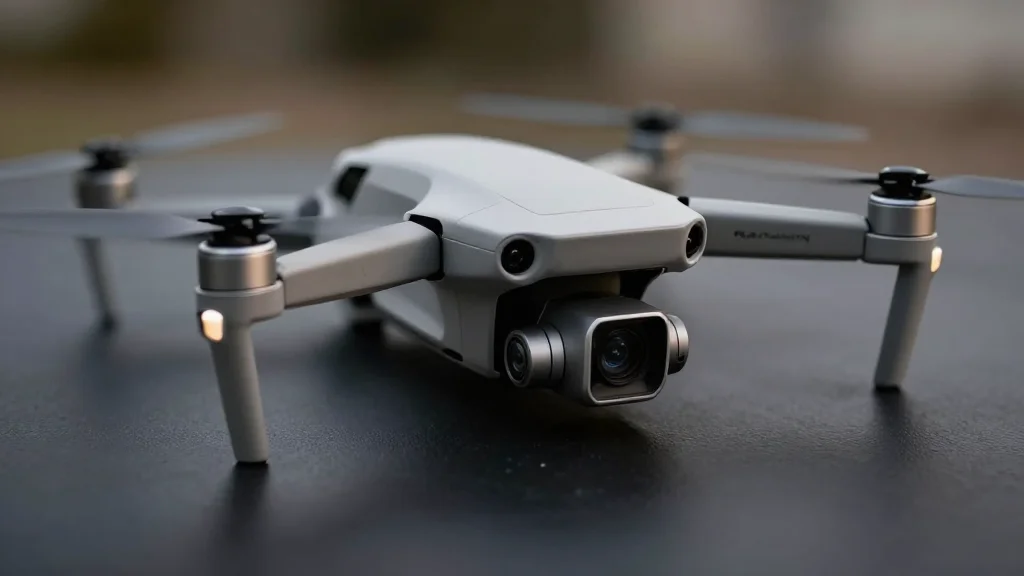
Terra Industries Scales to 30,000 Drones a Year for African Industrial Security

Companies Mentioned

Terra Industries
Apple
AAPL
Why It Matters
Terra Industries’ production surge illustrates how African hardware startups can compete on scale and cost without relying on deep‑pocketed venture capital. By keeping design, manufacturing and data processing on the continent, the firm addresses two persistent pain points: high import tariffs on security equipment and data‑sovereignty concerns that have slowed adoption of foreign surveillance solutions. If successful, Terra’s model could catalyze a new wave of locally‑sourced, AI‑enabled security hardware, reducing Africa’s dependence on external defense contractors. The venture also signals a broader shift in the global drone market, where low‑cost, high‑volume production is increasingly valued over bespoke, high‑margin systems. Terra’s ability to protect $11 billion in assets with a sub‑$600,000 capital base challenges the conventional narrative that hardware entrepreneurship requires massive upfront funding, potentially reshaping investor expectations for future African tech ventures.
Key Takeaways
- •Terra Industries’ Abuja factory can produce 30,000 drones annually, a 3‑fold increase from its 2025 launch capacity.
- •The drones are deployed across eight African countries and Canada, safeguarding roughly $11 billion in critical infrastructure.
- •Company operates on less than $600,000 in raised capital while generating $1.9 million in revenue.
- •Annual subscription model ties software functionality to ongoing payments, with hardware disabling if lapsed.
- •Secured a $1.2 million contract with NetHawk Solutions for AI‑powered surveillance at two Nigerian hydroelectric plants.
Pulse Analysis
Terra Industries’ ascent underscores a maturing African hardware ecosystem that can rival traditional defense suppliers on price and speed. By adopting an Apple‑style vertically integrated approach, the startup eliminates many of the mark‑ups associated with fragmented supply chains, delivering a 55 % cost advantage that is compelling for cash‑strapped utilities and mining firms. This cost discipline, combined with a subscription‑driven revenue model, creates a predictable cash flow that can fund incremental capacity upgrades without diluting equity—a stark contrast to the equity‑heavy financing routes typical of Western hardware startups.
The company’s emphasis on data sovereignty also taps into a growing regulatory trend across Africa, where governments are tightening controls on cross‑border data flows. By hosting data on local cloud partner PipeOps, Terra not only mitigates compliance risk but also builds trust with clients wary of foreign surveillance platforms. This strategic alignment with policy could become a competitive moat as more African nations draft data‑localisation laws.
Looking ahead, Terra’s biggest test will be scaling quality control while expanding into markets with less reliable connectivity. The reliance on annual software subscriptions could become a double‑edged sword if clients face fiscal volatility, potentially leading to hardware deactivation at critical moments. Investors and partners will likely monitor the upcoming West African utility pilot closely; success could validate the model and unlock larger, possibly sovereign‑funded contracts, while setbacks may expose the fragility of a high‑volume, low‑margin hardware play in emerging economies.
Terra Industries scales to 30,000 drones a year for African industrial security
Comments
Want to join the conversation?
Loading comments...