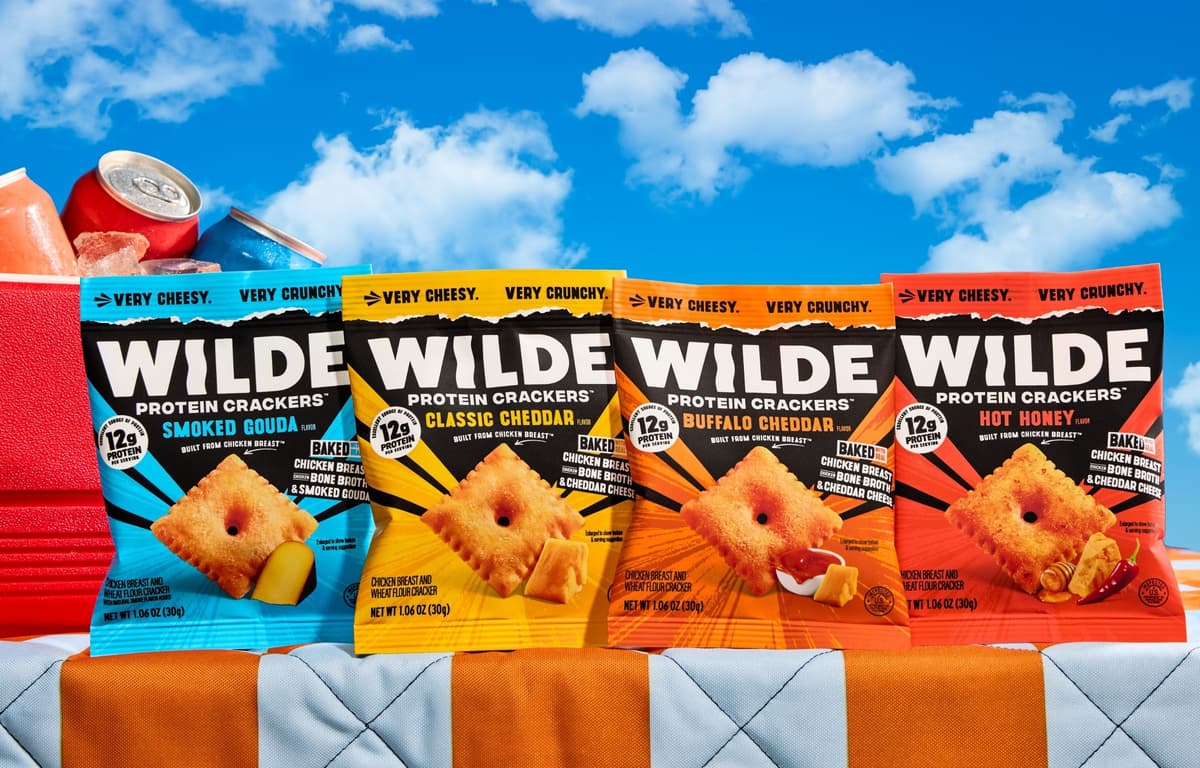
The Indulgence Strategy: Why This Successful Protein Brand Wants to Change the Conversation
Why It Matters
The pivot from protein‑first to flavor‑first messaging helps Wilde stand out in a crowded market and secures long‑term consumer loyalty, a critical advantage for snack brands facing intense competition. It also illustrates a broader shift toward emotional branding that can boost sales across categories.
Key Takeaways
- •Wilde Brands reached 20,000 stores and a 994% three‑year growth.
- •Protein became a commodity, prompting a shift to flavor‑first positioning.
- •New Cheez‑It‑style cracker emphasizes indulgence before nutritional claims.
- •Founder aims to blend indulgence with nutrition, targeting repeat purchases.
- •Strategy mirrors trend: lead with emotional benefit, then functional.
Pulse Analysis
The snack industry has seen a rapid influx of protein‑fortified products, turning what was once a differentiator into a baseline expectation. Wilde Brands rode this wave early, leveraging chicken and bone broth to create a high‑protein chip that resonated with health‑conscious shoppers. Its explosive 994% growth and expansion into 20,000 stores underscore how powerful a clear functional claim can be when the market is nascent. However, as competitors flooded shelves with protein pretzels, bars, and even Pop‑Tarts, the novelty factor eroded, leaving brands to compete on price and incremental tweaks rather than true consumer desire.
Recognizing that repeat purchase decisions are driven more by taste than by nutritional headlines, Wright re‑engineered Wilde’s messaging around indulgence. The newly launched Cheez‑It‑style cracker is positioned first as the "best‑tasting" snack, with protein information presented second. This flavor‑first approach aligns with research showing that consumers rationalize indulgent choices by later citing health benefits. By foregrounding texture and satisfaction, Wilde aims to create an emotional hook that encourages loyalty, while still delivering the functional promise of protein to satisfy the rational mind.
Wilde’s strategy reflects a larger branding evolution: companies across food, tech, and services are shifting from purely functional positioning to an emotional‑benefit framework. Leading with what consumers want—whether it’s taste, convenience, or status—and then layering the practical advantage can generate stronger brand affinity and higher lifetime value. For snack makers, this means investing in product development that prioritizes sensory appeal, while using health claims as supporting evidence rather than the headline. As the market continues to saturate, brands that master this balance are likely to capture both the palate and the wallet, setting a new standard for “indulgent nutrition.”
The Indulgence Strategy: Why This Successful Protein Brand Wants to Change the Conversation
Comments
Want to join the conversation?
Loading comments...