IShares Silver ETF Slides 35% as Analysts Clash Over Outlook

Companies Mentioned
Why It Matters
The sharp decline in the iShares Silver Trust highlights how regulatory actions in a major consumer market can reverberate through global ETF structures. Because silver ETFs must back each share with physical bullion, any disruption in the supply chain—whether from import duties or customs restrictions—directly affects fund pricing, premium/discount dynamics, and investor confidence. A sustained premium compression could deter new inflows, prompting a shift toward alternative vehicles such as digital gold or futures contracts. For the broader ETF industry, the episode underscores the importance of monitoring geopolitical and policy risks that lie outside traditional market drivers. Asset managers may need to reassess liquidity buffers, diversify physical‑metal sourcing, or develop hedging strategies to mitigate similar shocks in other commodity‑linked products.
Key Takeaways
- •iShares Silver Trust (SLV) fell 35% from its 2025 peak, trading near $76.32 per ounce.
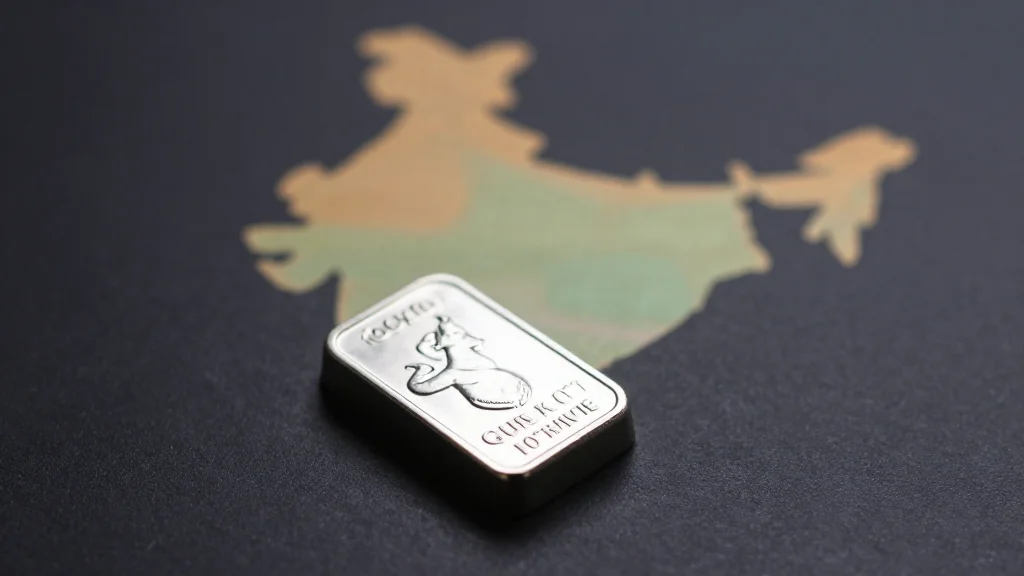
- •India raised import duties on gold and silver from 6% to 15% and moved silver bars to a restricted category.
- •Mirae Asset warns of potential premium compression for silver ETFs if import approvals lag.
- •Anil Ghelani (DSP Asset Managers) called the situation a "wait‑and‑watch" for silver ETFs.
- •Spot silver price dropped 0.5% on May 22, reflecting broader market volatility.
Pulse Analysis
The iShares Silver ETF’s 35% slide is less a symptom of a failing asset class than a symptom of a fragile supply chain intersecting with macro‑policy shifts. Historically, commodity‑linked ETFs have weathered price swings by relying on deep, diversified physical inventories. India’s sudden duty hike and re‑classification of silver bars, however, injects a supply‑side shock that can widen the premium‑discount gap—a risk that is rarely priced into the ETF’s expense ratio.
From a market‑structure perspective, the episode may accelerate a broader re‑evaluation of how ETFs source physical commodities. Managers could look to broaden their custodial networks beyond traditional Indian banks, or hedge against import‑policy risk using futures and forward contracts. The debate among analysts also signals a potential re‑allocation of capital toward ETFs that track metals with more stable supply chains, such as gold, or toward synthetic exposure via futures.
Looking ahead, the fund’s performance will likely hinge on three variables: (1) the trajectory of the Federal Reserve’s rate policy, which influences the dollar‑denominated appeal of precious metals; (2) the final shape of India’s import framework, which could either tighten or ease supply constraints; and (3) investor sentiment toward industrial demand for silver, especially as green‑energy technologies expand. If the RBI clarifies the restricted‑category process quickly, the discount may narrow, offering a contrarian entry point. Conversely, prolonged ambiguity could push investors toward alternative vehicles, reshaping the competitive landscape for metal‑focused ETFs.
In sum, the SLV’s plunge is a reminder that ETF pricing is not insulated from geopolitical and regulatory currents. Asset managers and investors alike must integrate policy risk assessments into their valuation models, or risk being caught off‑guard by the next supply‑chain‑driven price shock.
iShares Silver ETF Slides 35% as Analysts Clash Over Outlook
Comments
Want to join the conversation?
Loading comments...