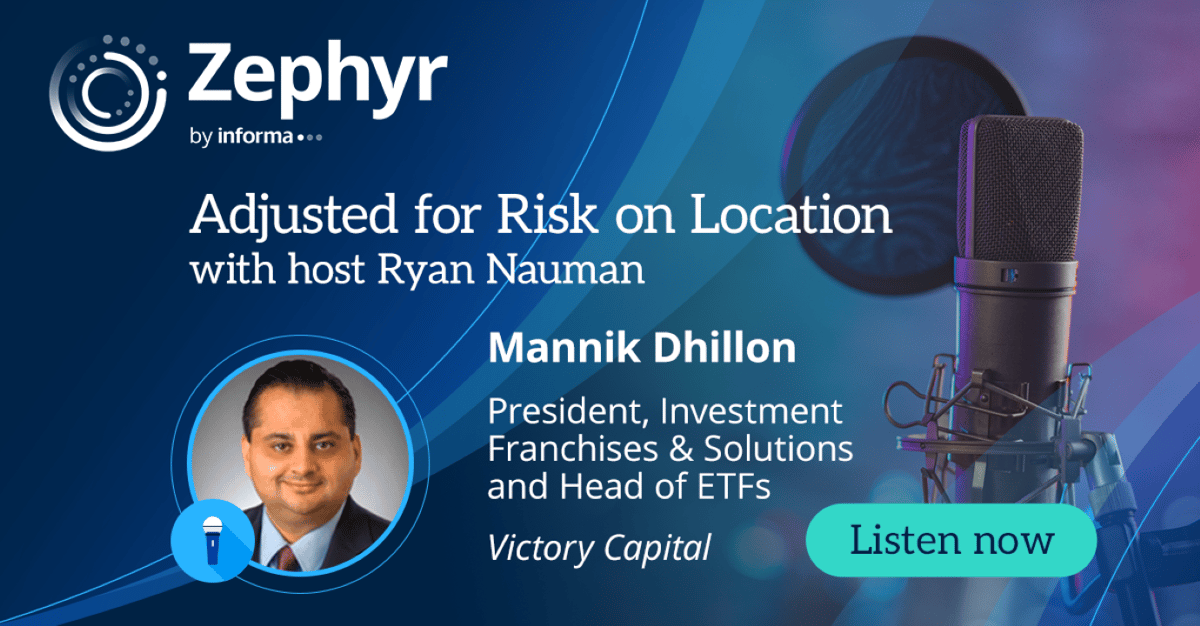
Zephyr's Adjusted for Risk: What You Need to Know About ETF Share Classes
Why It Matters
Consolidation reshapes asset‑management economics, pressuring fees while demanding broader distribution capabilities. ETF share classes give active managers a tax‑efficient channel to meet advisor demand, potentially expanding market share.
Key Takeaways
- •Victory Capital uses a multi‑boutique model with centralized services
- •Consolidation driven by advisors seeking fewer platform partners
- •ETF share classes deliver tax‑efficient exposure for active managers
- •Advisors must assess bid‑ask spreads, liquidity, and transparency
- •Zephyr’s screening tool matches advisors with suitable ETF share classes
Pulse Analysis
Industry consolidation has accelerated as institutional platforms and wealth‑management firms streamline vendor lists to cut costs and simplify compliance. Victory Capital’s hybrid approach—maintaining autonomous investment teams while centralizing back‑office functions—illustrates a scalable solution that preserves boutique expertise without sacrificing the economies of scale prized by large distributors. This model not only bolsters asset inflows but also positions firms to negotiate better pricing on data, custody and technology, reinforcing their competitive edge in a fee‑squeezed environment.
ETF share classes are emerging as a strategic bridge between traditional active mutual funds and the low‑cost, transparent world of exchange‑traded products. By packaging an active strategy into an ETF share class, managers can offer investors daily pricing, intraday liquidity and, crucially, tax‑loss harvesting benefits that are harder to achieve in a standard mutual fund. This structure appeals to advisors seeking to meet client demands for tax‑efficient growth while retaining the differentiated investment insight of active managers, potentially unlocking new distribution channels and AUM growth.
For advisors, the promise of ETF share classes comes with practical considerations. Narrow bid‑ask spreads and robust secondary market depth are essential to avoid hidden trading costs, while daily NAV transparency must align with client risk tolerances. Zephyr’s proprietary screening platform aggregates these metrics, enabling advisors to compare share classes across issuers quickly. By surfacing the most liquid, cost‑effective options, Zephyr helps advisors integrate tax‑efficient ETFs into portfolios without sacrificing execution quality, thereby enhancing client outcomes in a competitive advisory landscape.
Zephyr's Adjusted for Risk: What You Need to Know About ETF Share Classes
Comments
Want to join the conversation?
Loading comments...