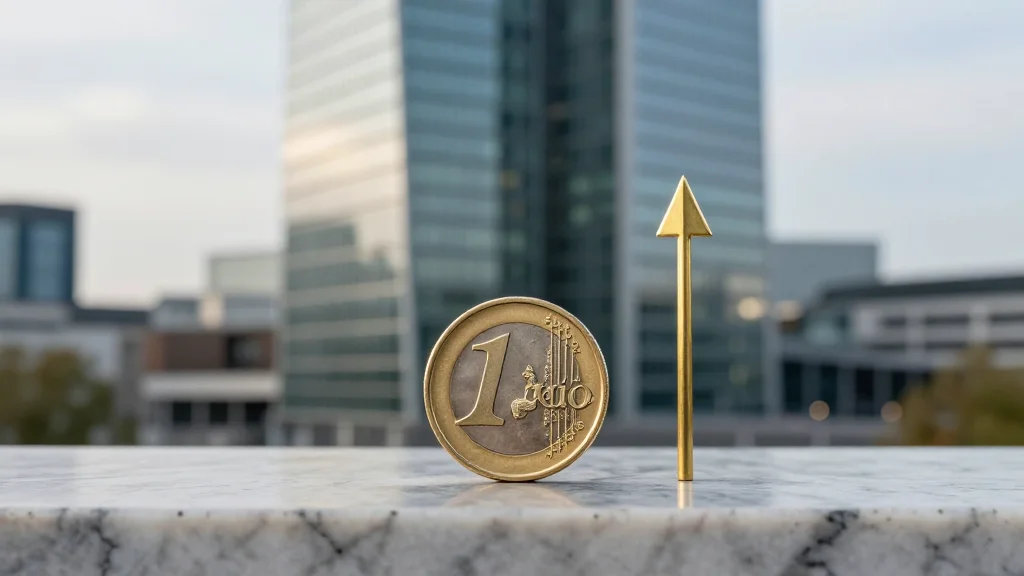
ECB Likely to Raise Rates Next Month as Iran Conflict Fuels Euro‑Area Inflation

Why It Matters
The ECB’s potential rate hike is a pivotal driver for euro‑area equity valuations. Higher rates increase borrowing costs for corporates, compress profit margins, and can trigger a re‑pricing of risk across sectors. At the same time, tighter policy may bolster the euro and improve returns for banks, creating a sectoral shift in investment flows. For U.S. investors, the outcome will affect portfolio allocations to European stocks, currency hedges, and exposure to inflation‑linked assets. Moreover, the episode highlights how geopolitical events—specifically the Iran‑U.S. confrontation—can quickly translate into macro‑economic pressures that reverberate through monetary policy and equity markets. Understanding this linkage is essential for investors seeking to navigate volatility in the Euro stocks space.
Key Takeaways
- •ECB Governing Council member Martin Kocher signals a likely rate hike next month unless a US‑Iran peace deal is reached.
- •"Inflation will probably turn out higher this year than previously expected," Kocher warned.
- •Euro‑area inflation pressures are being revived by higher commodity prices linked to the Iran conflict.
- •Euro Stoxx 50 equities have slipped modestly as markets price in higher rate‑hike odds.
- •Banks could benefit from a steeper yield curve, while industrials and utilities face margin pressure.
Pulse Analysis
The ECB’s tightening dilemma underscores a broader shift in European monetary policy: central banks are now forced to factor geopolitical risk into their inflation forecasts. Historically, the ECB has been reluctant to hike rates aggressively, preferring a gradual approach to safeguard growth. However, the current environment—where a regional conflict can instantly spike energy costs—compresses the policy window. A June rate increase would signal a more hawkish stance, potentially prompting a re‑allocation of capital from rate‑sensitive sectors to financials, and could also strengthen the euro against the dollar, affecting cross‑border earnings for multinational firms.
From a market perspective, the immediate reaction has been a modest sell‑off in euro‑listed equities, but the longer‑term impact will hinge on the durability of the inflation shock. If diplomatic progress eases commodity price pressures, the ECB may pause, offering a reprieve for growth‑oriented stocks. Conversely, a protracted conflict could embed higher inflation expectations, making further hikes likely and reinforcing a defensive tilt in European portfolios. Investors should therefore monitor both the diplomatic front and the ECB’s inflation data releases to gauge the trajectory of euro‑stock valuations.
Strategically, fund managers might consider overweighting banks and other financials that stand to gain from higher rates, while trimming exposure to heavily indebted industrials and utilities that could see earnings eroded by rising financing costs. Additionally, currency‑hedged strategies could mitigate euro volatility for U.S. investors, preserving returns in a potentially turbulent policy environment.
ECB Likely to Raise Rates Next Month as Iran Conflict Fuels Euro‑Area Inflation
Comments
Want to join the conversation?
Loading comments...