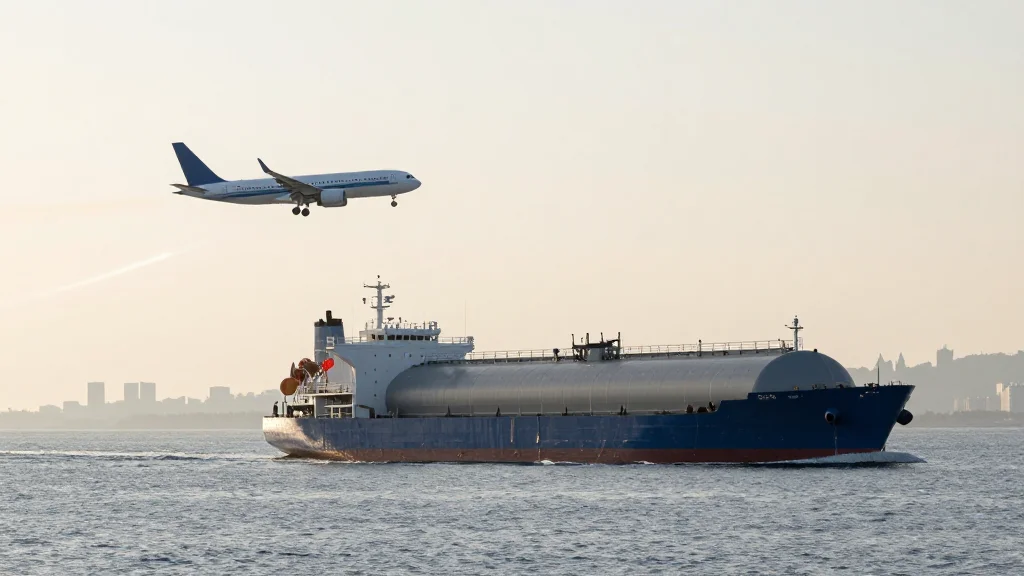
EU Jet Fuel Imports From Nigeria and the U.S. Jump in April as Middle East Supplies Falter

Companies Mentioned
Why It Matters
The rapid pivot to Nigerian and U.S. jet‑fuel imports underscores a structural shift in Europe’s energy supply chain, with direct implications for airline profitability, airport operations, and the valuation of European energy and logistics stocks. A prolonged shortage could force airlines to raise ticket prices, eroding demand and hitting consumer‑facing Euro‑stock indices. Moreover, the crisis highlights geopolitical risk as a price driver. The closure of the Strait of Hormuz—a chokepoint for 75% of Europe’s jet‑fuel imports—has forced investors to reassess exposure to Middle‑East supply disruptions, potentially boosting the market appeal of firms that can source fuel from more stable regions such as West Africa and North America.
Key Takeaways
- •IEA warns Europe has only six weeks of jet‑fuel reserves amid Hormuz closure
- •U.S. and Nigerian jet‑fuel exports to Europe accelerated sharply in April
- •EasyJet reports $33.8 million extra fuel cost in March due to the conflict
- •Benchmark European jet‑fuel price hit a record $1,838 per tonne in early April
- •Airlines lobby EU for regulatory relief as supply uncertainty looms
Pulse Analysis
The jet‑fuel scramble is reshaping the Euro‑stock narrative in two ways. First, companies that facilitate African fuel logistics—such as port operators and shipping firms—are likely to see heightened investor interest. Their earnings forecasts will now incorporate a new, albeit temporary, revenue stream from European contracts, which could lift their valuations ahead of the summer travel surge. Second, traditional European energy majors that have long depended on Gulf crude face a credibility gap; their stock performance may suffer if they cannot quickly secure alternative feedstock or demonstrate robust hedging strategies.
Historically, Europe’s reliance on the Middle East for three‑quarters of its jet fuel insulated the market from short‑term price spikes but left it vulnerable to geopolitical shocks. The current crisis forces a re‑evaluation of that model. In the medium term, we may see a strategic push for diversified supply agreements, including long‑term contracts with Nigerian refineries and U.S. Gulf Coast producers. Such moves could stabilize fuel costs, but they also introduce new regulatory and logistical complexities that will test the agility of European airlines and the resilience of their supply chains.
Investors should monitor three leading indicators: (1) the volume of jet‑fuel cargo flights reported by European customs, (2) any policy shifts from the European Commission regarding fuel‑stock reserves, and (3) earnings guidance from major carriers that explicitly reference fuel‑sourcing strategies. A sustained shift toward non‑Middle‑East imports could cement a new pricing baseline for jet fuel, altering cost structures across the aviation sector and reverberating through related Euro‑stock indices.
EU Jet Fuel Imports from Nigeria and the U.S. Jump in April as Middle East Supplies Falter
Comments
Want to join the conversation?
Loading comments...