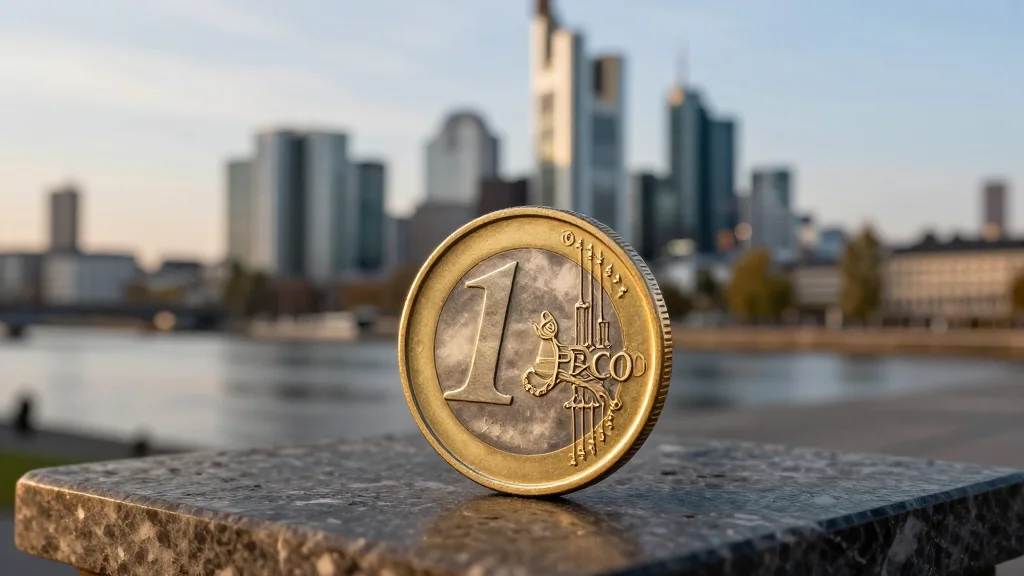
German Q1 GDP Jumps 0.3% YoY, Outpacing Forecasts and Boosting Euro‑Stock Optimism

Why It Matters
German GDP is the single most influential macro indicator for Euro‑zone equities. A better‑than‑expected reading can lift investor confidence, spur capital inflows into German‑heavy indices, and reduce the perceived risk of a prolonged recession. For the European Central Bank, the data provides a data‑point that could justify a more accommodative monetary stance, potentially lowering borrowing costs for businesses and households across the bloc. Beyond the immediate market reaction, the GDP surprise highlights the impact of fiscal stimulus and energy‑price dynamics on a traditionally export‑driven economy. If Germany can sustain this modest growth, it may set a precedent for other Euro‑zone members grappling with similar energy‑price shocks, thereby shaping the region’s overall economic trajectory for the rest of the year.
Key Takeaways
- •German Q1 2026 GDP rose 0.3% sequentially, beating the 0.1% consensus (RTTNews).
- •Growth exceeds the revised 0.2% gain recorded in Q4 2025.
- •Consumer confidence fell to –33.3 in May, its lowest in two years (RTTNews).
- •Flash Services PMI dropped to 46.9 in April, indicating contraction.
- •ECB policy meeting on May 2 will interpret the data for potential rate adjustments.
Pulse Analysis
The German GDP surprise is less a sign of a turnaround and more an illustration of how targeted fiscal measures can temporarily offset structural headwinds. The modest 0.3% rise reflects a narrow base effect—industrial output rebounded on a low‑volume spring, and services benefited from a short‑lived lift in domestic demand. However, the underlying fragility remains evident in the deteriorating consumer sentiment and services PMI, which suggest that any growth is likely to be uneven.
From a market perspective, the data should be viewed as a short‑term catalyst rather than a long‑term trendsetter. Euro‑stock investors will likely see a brief rally in German heavyweights, especially in the industrial and financial sectors, but the rally could be capped by the ECB’s inflation‑focused mandate. If the central bank opts to keep rates unchanged, the upside for equities may be limited; a rate cut, however, could reignite risk appetite and broaden the rally to other Euro‑zone markets.
Strategically, investors should monitor the interaction between energy‑price volatility and fiscal policy. The ongoing Iran‑related tensions keep oil and gas prices elevated, which could erode the gains from any fiscal stimulus if energy costs continue to rise. Companies with strong domestic exposure and pricing power—such as utilities and consumer staples—may outperform, while export‑reliant manufacturers could remain vulnerable. In the coming weeks, the ECB’s policy decision and the release of retail sales and import price data will be the decisive factors that determine whether the German GDP bump translates into sustained market optimism or fades as a one‑off statistical blip.
German Q1 GDP Jumps 0.3% YoY, Outpacing Forecasts and Boosting Euro‑Stock Optimism
Comments
Want to join the conversation?
Loading comments...