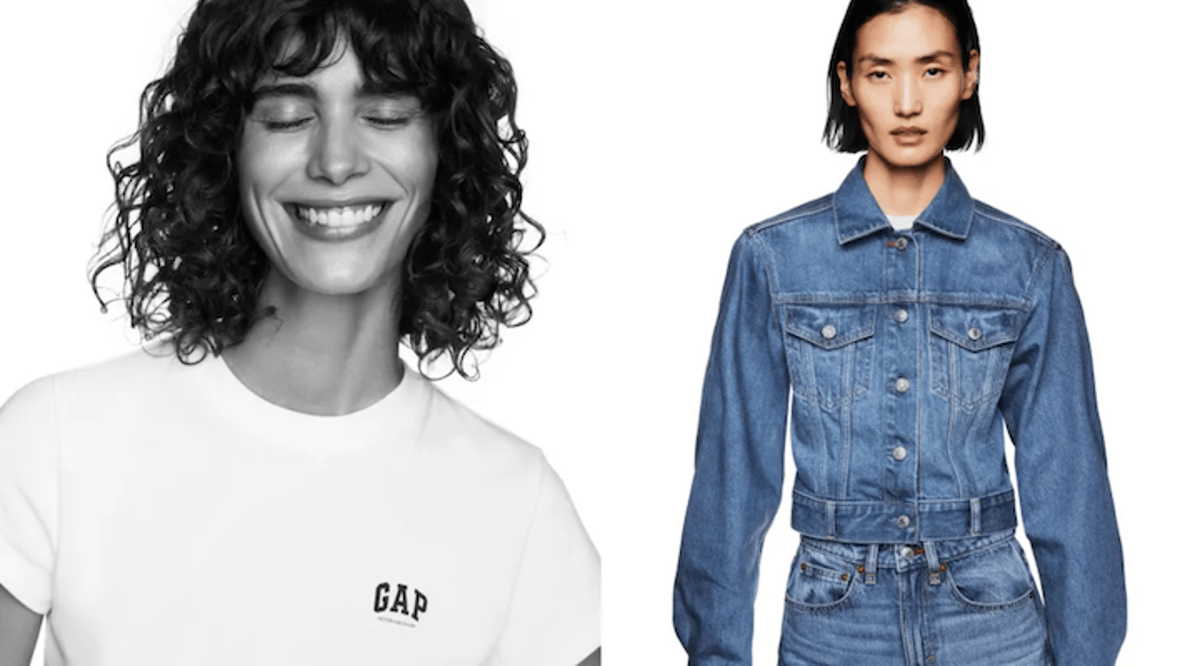
Are ‘High-Low’ Collabs Like Victoria Beckham X Gap Destroying Luxury?
Why It Matters
High‑low collabs reshape luxury’s revenue model, extending reach to younger buyers while testing the resilience of brand exclusivity. Their success or failure will influence how premium houses balance heritage with mass‑market relevance.
Key Takeaways
- •Victoria Beckham partners with Gap, joining Stella McCartney‑H&M and Uniqlo‑Cecilie Bahnsen
- •Luxury prices have nearly doubled since 2019, driving shoppers toward affordable collabs
- •Designers gain visibility and early customers; retailers boost margins on low‑cost lines
- •Critics warn overexposure may erode brand equity if quality standards slip
- •Experiential luxury spending now outpaces fashion, reshaping revenue priorities for high‑end houses
Pulse Analysis
The surge of high‑low collaborations in 2026 marks a pivotal shift in fashion economics. Historically, luxury houses have guarded exclusivity, but today’s consumers face price points that have almost doubled in just seven years. As Chanel’s iconic flap bag climbs toward $12,000, shoppers turn to resale platforms and limited‑edition partnerships like Victoria Beckham × Gap to experience designer aesthetics without the prohibitive spend. This democratization is fueled by social media, where a teenager can stream runway shows on TikTok, creating a demand for tangible touchpoints that bridge aspiration and affordability.
From a strategic standpoint, luxury brands reap immediate benefits: expanded audience reach, fresh media buzz, and a new revenue stream from lower‑margin, higher‑volume products. Retail partners gain cachet and a surge in foot traffic, while designers tap into younger demographics that may evolve into full‑price customers. Analysts note that experiential luxury—travel, boutique hotels, exclusive events—now captures a larger share of discretionary spend, prompting fashion houses to diversify. High‑low drops act as a gateway, keeping the brand top‑of‑mind as consumers allocate dollars across a broader luxury lifestyle portfolio.
Nevertheless, the model carries inherent risks. Over‑saturation or a dip in craftsmanship can dilute the aura that justifies premium pricing. Brands must safeguard design integrity and ensure that collaborative pieces meet the exacting standards of their flagship lines. As the industry balances heritage with accessibility, the true test will be whether luxury can retain its aspirational pull while embracing a more inclusive, experience‑driven marketplace.
Are ‘high-low’ collabs like Victoria Beckham x Gap destroying luxury?
Comments
Want to join the conversation?
Loading comments...