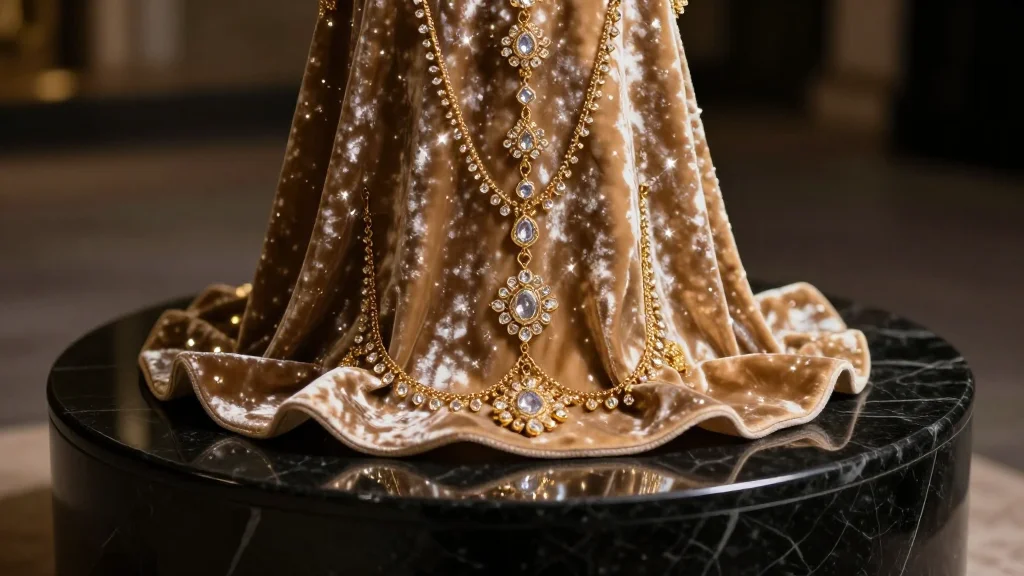
Cannes 2026 Red‑Carpet Highlights: Prada Sparkle, Velvet Drama, Natural Curls and a Neon Decay Gown

Companies Mentioned
Why It Matters
Cannes serves as a global showcase where cinema and fashion intersect, making red‑carpet choices highly visible to consumers and industry leaders. The 2026 lineup demonstrated a pivot toward narrative‑driven styling—whether through heritage luxury, cultural heritage, or avant‑garde protest—signaling that brands must balance brand heritage with bold storytelling to stay relevant. Moreover, the embrace of natural beauty and sustainable luxury hints at shifting consumer values that prioritize authenticity over pure spectacle. The festival also highlighted the growing influence of non‑Western designers and the willingness of high‑profile celebrities to champion emerging talent. Huma Qureshi’s Indian‑inspired couture and Demi Moore’s partnership with a fledgling French label underscore a democratization of fashion influence, where global narratives can command the same stage as established houses. This evolution could reshape sponsorship models and marketing strategies across the fashion ecosystem.
Key Takeaways
- •Bella Hadid debuted a custom Prada gown with Chopard diamonds, reinforcing luxury brand alliances.
- •Huma Qureshi’s black velvet Oscar de Renta dress was priced at roughly $11,000, showcasing high‑end Indian couture.
- •Taylor Russell’s natural curls paired with a Schiaparelli gown marked a shift toward authentic beauty on the carpet.
- •Demi Moore’s neon pink decay gown from Matières Fécales challenged Cannes’s traditional dress code.
- •The varied looks signal a broader industry trend toward inclusivity, sustainability, and avant‑garde experimentation.
Pulse Analysis
Cannes 2026 acted as a microcosm of the fashion industry's current crossroads. On one side, the event reaffirmed the magnetic pull of legacy houses like Prada and Chopard, whose partnership with Bella Hadid leveraged star power to reinforce brand prestige. On the other, the rise of designers such as Oscar de Renta’s Indian‑crafted pieces and Matières Fécales illustrates a democratization of runway relevance, where emerging talent can command the same visual real estate as the titans of luxury.
The prominence of natural textures—exemplified by Taylor Russell’s curls—mirrors a consumer shift toward authenticity, a trend that has been gaining momentum across social media platforms. Brands that previously relied on hyper‑polished aesthetics now risk appearing out‑of‑touch if they fail to accommodate diverse representations of beauty. This is further reinforced by Huma Qureshi’s strategic use of cultural motifs, which resonates with a global audience increasingly attuned to heritage storytelling.
Looking forward, the Cannes experiment suggests that future red‑carpet strategies will need to balance spectacle with substance. Designers who can embed narrative depth—whether through sustainable materials, cultural references, or subversive concepts like Moore’s decay gown—will likely capture both media attention and consumer loyalty. As the fashion calendar tightens, the ripple effects from Cannes will inform collections for Paris, Milan and New York, prompting brands to rethink the balance between tradition and disruption in their upcoming campaigns.
Cannes 2026 Red‑Carpet Highlights: Prada sparkle, velvet drama, natural curls and a neon decay gown
Comments
Want to join the conversation?
Loading comments...