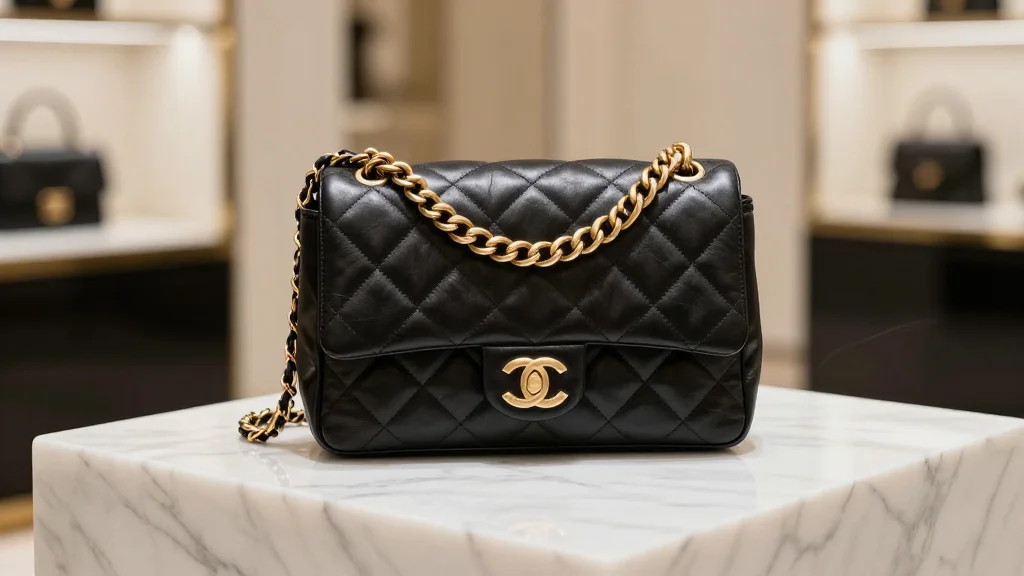
Chanel Posts 2% Revenue Rise as New Creative Director Attracts Younger Shoppers


Why It Matters
Chanel’s turnaround demonstrates that legacy luxury houses can revive growth by injecting fresh creative energy and targeting previously untapped demographics. The brand’s success underscores the importance of design‑driven customer acquisition in an industry where price elasticity is high and traditional demand drivers, such as post‑pandemic spending spikes, have faded. If Chanel can sustain its momentum, it may set a template for other heritage brands struggling with stagnant sales. The shift toward younger, style‑focused consumers could accelerate a broader industry pivot toward limited‑edition, highly curated pieces that command premium pricing while fostering brand loyalty among a new generation of luxury buyers.
Key Takeaways
- •Chanel’s 2025 revenue rose 2% to $19.3 bn, ending a 4.3% decline in 2024.
- •Operating profit increased 5% to $4.7 bn under CEO Leena Nair.
- •Creative director Matthieu Blazy’s new designs attracted shoppers who had never bought Chanel before.
- •U.S. sales grew 7.2% in currency‑adjusted terms, driving most of the revenue uplift.
- •Chanel plans 30 new store openings in 2026, including three in California.
Pulse Analysis
Chanel’s modest yet meaningful rebound illustrates a strategic inflection point for legacy luxury houses: design leadership can be a catalyst for market re‑entry. Matthieu Blazy’s approach—reinterpreting iconic silhouettes with contemporary twists—creates a sense of novelty without alienating core brand DNA. This balance resonates with younger affluent consumers who crave heritage credibility paired with fresh aesthetics. By delivering limited‑run pieces that quickly sell out, Chanel also leverages scarcity to amplify desirability, a tactic that rivals may struggle to replicate without comparable creative talent.
From a financial perspective, the 2% revenue lift, while modest compared with Hermes’ double‑digit growth, is significant given the broader industry contraction. Chanel’s disciplined price hikes (3% overall) suggest confidence that demand can absorb incremental cost without eroding volume—a gamble that appears to be paying off in the U.S. market, where the brand’s 7.2% sales surge outpaced peers. The planned expansion of brick‑and‑mortar locations, especially in high‑income U.S. suburbs, signals a bet on experiential retail to deepen customer relationships and capture spend that might otherwise flow to fast‑fashion luxury hybrids.
Looking forward, the key risk lies in sustaining the creative momentum. Luxury consumers are fickle; a single successful collection can quickly become a footnote if subsequent releases fail to excite. Moreover, as inflation squeezes discretionary spending, Chanel must ensure that its limited‑edition strategy does not alienate existing loyalists while chasing new buyers. If the brand can navigate these dynamics, it could not only solidify its comeback but also reshape competitive dynamics, forcing rivals to prioritize creative reinvention over sheer scale.
Chanel Posts 2% Revenue Rise as New Creative Director Attracts Younger Shoppers
Comments
Want to join the conversation?
Loading comments...