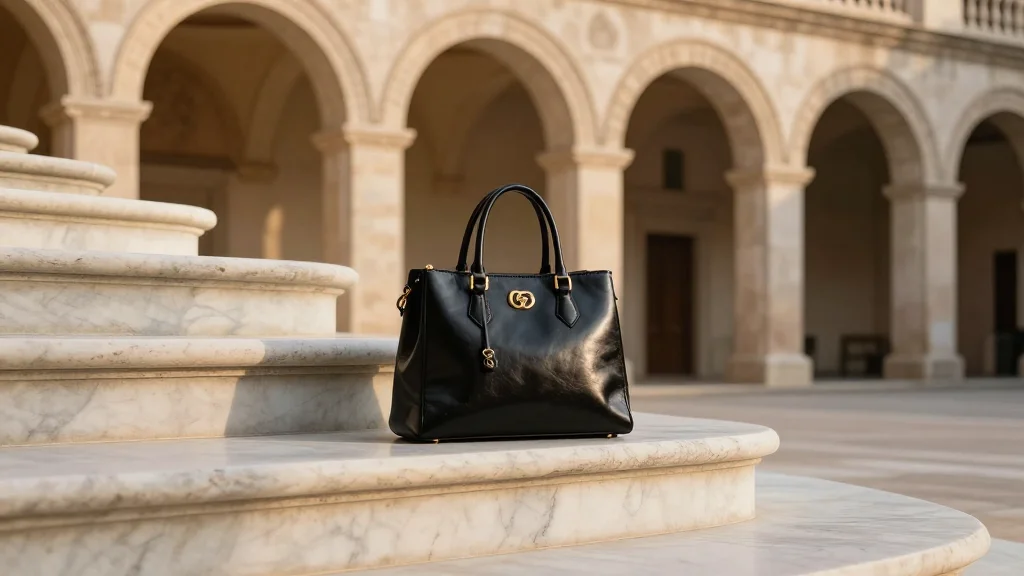
Demna Gvasalia Opens Restored Palazzo Gucci in Florence, Ushering New Era for Luxury House

Why It Matters
The Palazzo Gucci opening signals a decisive shift toward experiential retail, where heritage architecture becomes a brand‑owned stage for storytelling and sales. By intertwining a boutique, fine dining and museum‑like exhibitions, Gucci creates a destination that can command higher spend per visitor and generate sustained media coverage, a model other luxury houses are eager to emulate. For Kering, the project validates its strategy of investing in flagship cultural spaces that reinforce brand equity while delivering measurable financial returns. As physical retail faces pressure from e‑commerce, such immersive concepts offer a defensible moat, turning historic sites into profit‑generating assets that also serve as cultural ambassadors for the brand.
Key Takeaways
- •Demna Gvasalia opened the restored Palazzo Gucci in Florence, a 14th‑century building now housing a boutique, restaurant and café.
- •The venue features the “Gucci Storia” project, including the “Thread of Time” tapestry exhibition chronicling 105 years of brand history.
- •Kering’s CEO Luca de Meo and Gucci president Francesca Bellettini hosted a cocktail for investors ahead of the group’s Capital Markets Day.
- •The launch reflects a broader luxury trend of converting heritage sites into experiential retail destinations.
- •Future plans include rotating exhibitions, AR overlays, and a live runway installation during the Spring‑Summer 2027 show.
Pulse Analysis
Gucci’s Palazzo revival is more than a glamorous opening; it is a strategic bet on the power of place. Historically, luxury brands have relied on flagship stores to convey exclusivity, but the rise of digital commerce has eroded foot‑traffic. By embedding retail within a cultural narrative, Gucci creates a differentiated value proposition that cannot be replicated online. The tapestry‑laden “Thread of Time” exhibition, for instance, transforms shopping into a curated museum experience, encouraging longer dwell times and higher conversion rates.
From a financial perspective, Kering’s decision to spotlight the Palazzo at its Capital Markets Day underscores confidence that such assets can deliver incremental earnings. The venue’s multi‑use design—retail, dining, events—maximizes revenue streams per square foot, a metric increasingly scrutinized by investors. Moreover, the partnership with chef Massimo Bottura adds culinary prestige, attracting a broader affluent audience beyond traditional fashion shoppers.
Looking ahead, the Palazzo model could become a template for other heritage‑rich cities. If Gucci can replicate the Florence success in Milan, Paris or Tokyo, the group may redefine luxury retail architecture, turning historic palazzos, mansions and museums into brand‑owned ecosystems. This could trigger a wave of capital allocation toward real‑estate and cultural programming, reshaping the competitive dynamics among luxury conglomerates and potentially sparking a new era where fashion houses are as much curators of culture as creators of clothing.
Demna Gvasalia Opens Restored Palazzo Gucci in Florence, Ushering New Era for Luxury House
Comments
Want to join the conversation?
Loading comments...