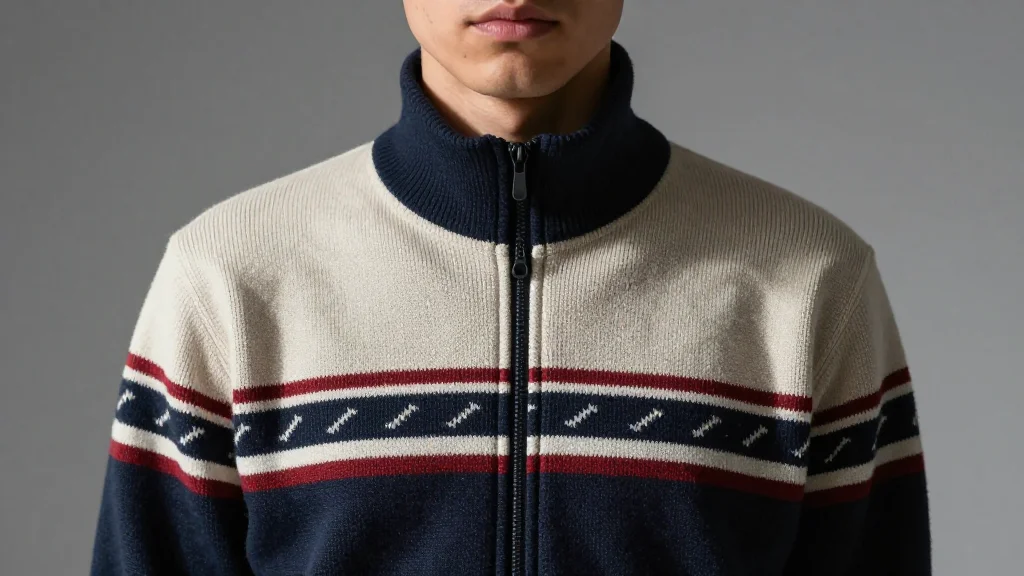
Fila’s ‘1911 Knit Track’ Boosts Apparel Sales 74% in First 12 Weeks

Why It Matters
The 74% sales surge underscores a shifting consumer preference toward heritage‑infused activewear that blends nostalgia with modern performance fabrics. For the fashion industry, Fila’s success illustrates how legacy sports brands can revitalize growth by extending design DNA from footwear into apparel, leveraging influencer culture to capture Gen Z attention. If replicated globally, this model could prompt other heritage labels to accelerate similar cross‑category expansions, intensifying competition in the lucrative retro‑activewear segment. Moreover, the rapid uptake signals that Korean consumers remain a testing ground for innovative product launches, offering brands real‑time feedback on design concepts before broader international rollouts. This dynamic could accelerate product development cycles and influence global trend forecasting, reinforcing Korea’s role as a fashion trend incubator.
Key Takeaways
- •Fila’s 1911 Knit Track generated a 74% increase in apparel sales over the prior season within 12 weeks.
- •The line combines classic Fila branding with modern knit fabrics, targeting Gen Z shoppers.
- •Co‑marketing with the Ritmo Slick sneaker, which currently ranks #1 on major fashion platforms, boosted overall brand visibility.
- •Ambassador campaign featuring Han So‑hee, Cha Jung‑won, and Kim Na‑young drove social media engagement.
- •Fila plans to expand the knit track to additional Asian markets and eventually to Europe and North America.
Pulse Analysis
Fila’s 1911 Knit Track illustrates a textbook case of heritage brand revitalization through product diversification. Historically, sportswear giants have relied heavily on footwear to anchor revenue, but the market’s pivot toward lifestyle apparel—driven by pandemic‑era comfort trends and the rise of athleisure—has forced a strategic recalibration. By translating its iconic logo and design language into a knit silhouette, Fila taps into the emotional resonance of nostalgia while satisfying the tactile expectations of modern consumers.
The Korean market’s rapid adoption provides a micro‑cosm of broader global dynamics. Korean consumers are early adopters of hybrid fashion narratives that blend streetwear, performance, and retro cues. Fila’s ability to achieve a 74% sales lift in such a short window suggests that the product’s DNA aligns closely with these preferences. The cross‑category synergy with the Ritmo Slick sneaker amplifies basket value, a tactic that rivals like Adidas and Nike have employed with limited‑edition collaborations. However, Fila’s approach is distinct in its focus on a single, repeatable apparel archetype rather than one‑off drops, indicating a longer‑term revenue engine.
Looking forward, the key challenge will be scaling this momentum beyond Korea. Cultural nuances, sizing standards, and local fashion sensibilities can affect reception in Western markets. Fila must adapt its marketing narrative—perhaps emphasizing the brand’s Italian‑inspired heritage alongside Korean street credibility—to resonate with diverse consumer bases. If successful, the 1911 Knit Track could become a template for other heritage labels seeking to rejuvenate growth without abandoning their core identity, potentially reshaping the competitive landscape of retro‑activewear worldwide.
Fila’s ‘1911 Knit Track’ Boosts Apparel Sales 74% in First 12 Weeks
Comments
Want to join the conversation?
Loading comments...