Givenchy Fall 2026: I’m Every Woman
•March 6, 2026
0
Companies Mentioned
Why It Matters
The show signals Givenchy’s commitment to gender‑fluid luxury and demonstrates how heritage storytelling can drive commercial momentum in the high‑end market.
Key Takeaways
- •Gender‑fluid fabrics meet feminine tailoring
- •Zoetrope runway created cinematic, surprise-driven presentation
- •Historical references link Givenchy to Vermeer, McQueen
- •Burton frames collection as personal reconstruction narrative
- •Viral jeweled top signals strong commercial demand
Pulse Analysis
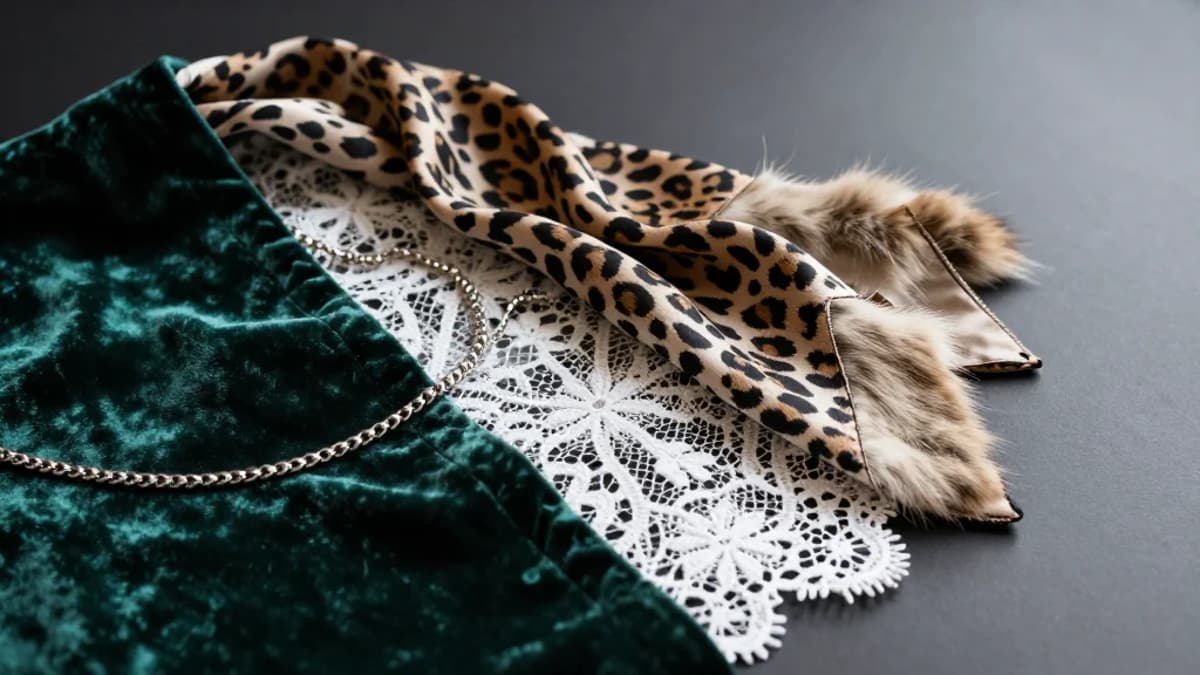
Sarah Burton’s stewardship of Givenchy continues to redefine the brand’s aesthetic by weaving gender‑fluid sensibilities into traditionally feminine silhouettes. By juxtaposing menswear fabrics—such as structured tuxedo jackets—with delicate materials like silk kimono wraps and lace, the Fall 2026 collection mirrors a broader industry shift toward inclusive design. This approach not only broadens the label’s appeal to a younger, more diverse consumer base but also reinforces Givenchy’s reputation for avant‑garde craftsmanship, positioning the house at the forefront of luxury innovation.
The runway’s zoetrope‑inspired set functioned as more than a visual gimmick; it created a narrative rhythm that emphasized each garment’s storytelling power. References to Old Master paintings, Vermeer‑like head wraps, and a reclaimed McQueen jacquard infused the show with art‑historical depth, linking contemporary fashion to cultural heritage. Such curated references resonate with affluent shoppers who value provenance and artistic authenticity, turning runway moments into collectible desirability. Moreover, the inclusion of personal talismans—like the decaying kimono—underscores Burton’s intent to embed personal history within the brand’s DNA.
Commercially, the collection’s blend of runway drama and ready‑to‑wear viability signals strong market potential. The revival of the viral jeweled top, already earmarked by buyers, illustrates how runway hype can translate into immediate sales pipelines. As luxury consumers increasingly seek pieces that combine narrative richness with wearable versatility, Givenchy’s Fall 2026 line positions the house to capture both critical acclaim and revenue growth, reinforcing its status as a bellwether for the evolving luxury landscape.
Givenchy Fall 2026: I’m Every Woman
0
Comments
Want to join the conversation?
Loading comments...