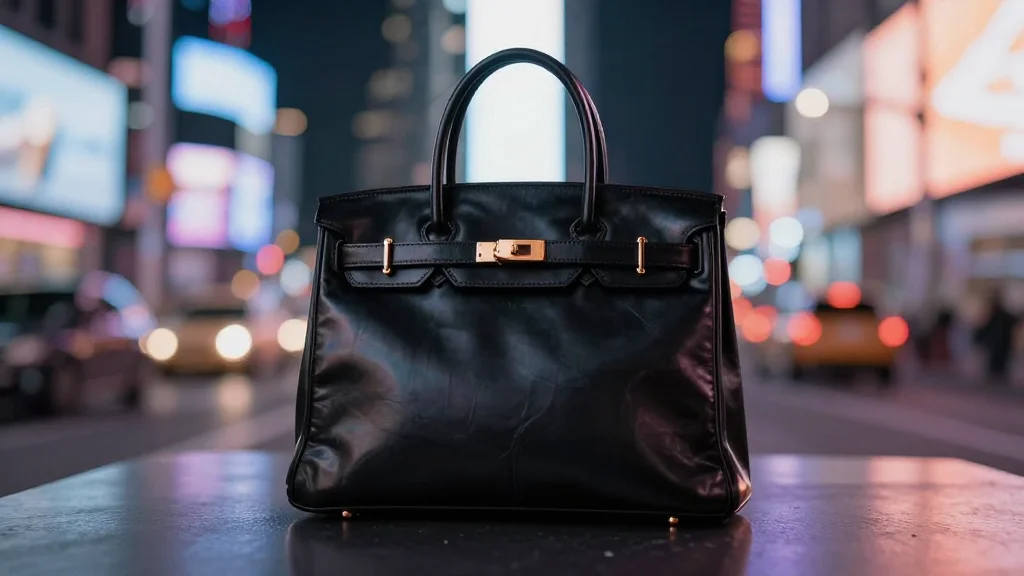
Gucci Turns Times Square Into a Night‑time Runway for Cruise 2027

Companies Mentioned
Why It Matters
The Times Square event illustrates a growing convergence between luxury fashion and urban advertising, where brands treat city landmarks as extensions of their runway. By turning a public thoroughfare into a branded spectacle, Gucci not only amplified its seasonal narrative but also set a benchmark for the scale of experiential marketing that competitors may feel compelled to match. The integration of AI‑generated content further signals that digital creativity will become a core component of fashion storytelling, reshaping how collections are introduced to both consumers and the press. For the broader fashion ecosystem, the show raises questions about sustainability, public space usage, and the cost‑benefit balance of such high‑visibility stunts. If the model proves profitable, we may see more luxury houses negotiating with municipalities for similar takeovers, potentially redefining the relationship between fashion, city planning, and consumer culture.
Key Takeaways
- •Gucci closed the central pedestrian plaza at 48th & 7th Avenue for its Cruise 2027 runway.
- •All major Times Square LED screens were rented for the evening, displaying AI‑generated ads.
- •The collection introduced the “Guccicore” concept, blending essential wardrobe pieces with bold accessories.
- •High‑profile guests included Paris Hilton, Tom Brady, Sophia Lamar and local New York artists.
- •The event underscores a trend toward city‑scale fashion activations and digital‑first storytelling.
Pulse Analysis
Gucci’s Times Square takeover is less a one‑off stunt and more a strategic pivot toward what can be called ‘urban runway branding.’ Historically, luxury houses have relied on exclusive venues to maintain aura; today, the aura is being manufactured through mass exposure. By purchasing the entire LED inventory, Gucci turned a commercial advertising platform into a stage, effectively merging product placement with runway drama. This hybrid approach maximizes earned media – every passerby becomes a live audience, and every social post becomes free amplification.
The use of AI for the pre‑show ads is equally significant. It demonstrates that generative technology can produce on‑the‑fly content that aligns with a brand’s aesthetic while reducing creative lead times. As AI tools become more sophisticated, we can expect a surge in hyper‑personalized, real‑time fashion narratives that adapt to local cultures and even individual viewer data. Brands that master this integration will likely dominate the next wave of consumer engagement.
However, the model is not without risk. The financial outlay – screen rentals, city permits, security, and production – runs into the tens of millions of dollars, a sum only a handful of houses can justify. Moreover, the spectacle may alienate purists who view such public overtures as diluting the exclusivity that defines luxury. The true test will be whether the commercial upside – increased sales, brand equity, and cultural relevance – outweighs the costs and potential brand fatigue. If Gucci’s post‑show sales data confirms a strong lift, other houses will likely follow, ushering in an era where the city itself becomes the catwalk.
Gucci Turns Times Square Into a Night‑time Runway for Cruise 2027
Comments
Want to join the conversation?
Loading comments...