Companies Mentioned
Why It Matters
The concept signals a shift toward experience‑driven retail, using wellness to increase foot traffic, dwell time, and brand loyalty in a competitive market.
Key Takeaways
- •District Vision LA flagship doubles as meditation studio after hours
- •Modular interior by SR Studio enables quick space transformations
- •Retail‑wellness hybrids aim to boost dwell time and brand loyalty
- •Experiential stores blend fashion, food, art, and now mindfulness
- •Trend signals shift from product‑centric to experience‑centric retail
Pulse Analysis
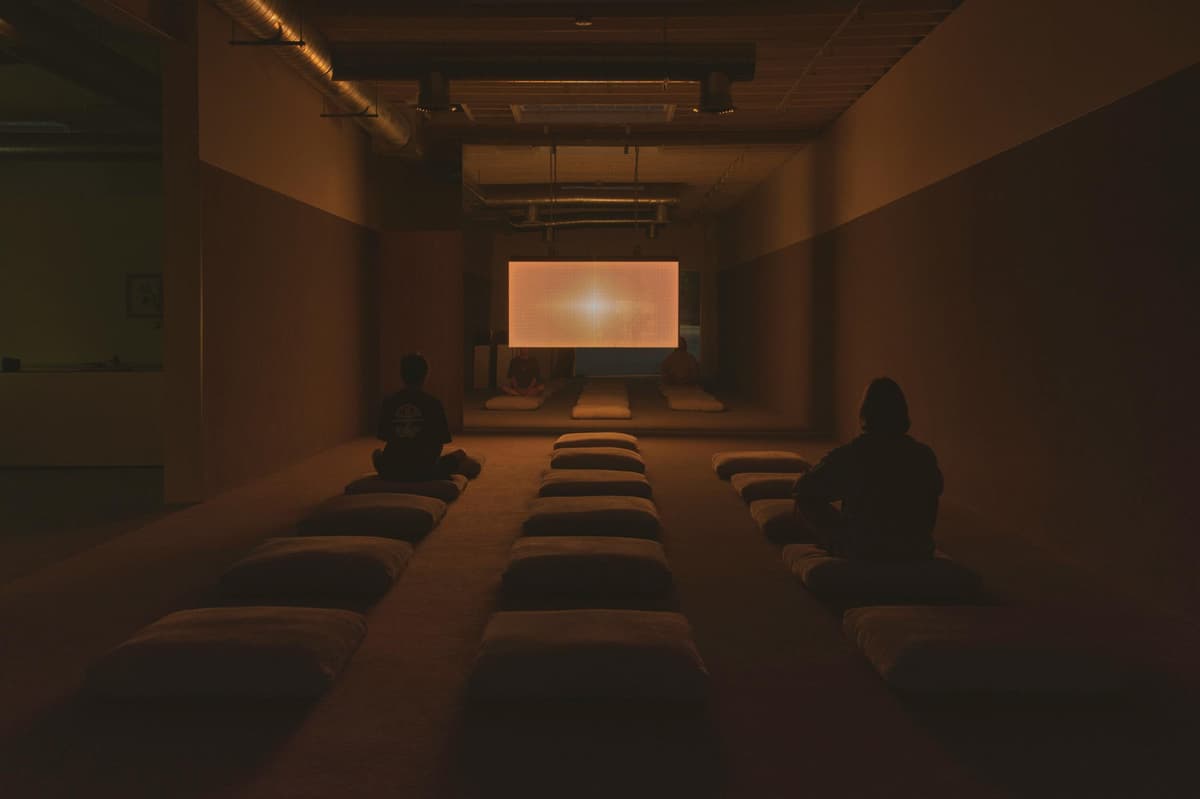
District Vision’s new Los Angeles flagship is more than a boutique; it’s a purpose‑built hybrid that merges high‑end fashion with a wellness sanctuary. Designed with artist‑founder Sterling Ruby’s SR Studio, the space features modular walls and portable platforms that can be reconfigured in minutes. By day, the store showcases futuristic sunglasses, limited‑edition New Balance sneakers, and Japanese ceramics; by night, it clears the floor for guided meditation, breathwork classes, and pop‑up workshops. This fluidity creates a seamless brand narrative that positions District Vision as a lifestyle curator rather than a mere retailer.
The hybrid model taps into a broader wave of experiential retail that blurs the lines between shopping, dining, art, and now health. Brands from Valentino to Kith have added listening rooms, dessert bars, and bespoke sound systems to their physical footprints, recognizing that consumers increasingly value immersive experiences over pure product transactions. Wellness, in particular, offers a compelling hook: it aligns with rising consumer focus on mental health and provides a calm backdrop that encourages longer visits and deeper brand connections.
For the industry, the integration of meditation studios into retail spaces offers several strategic advantages. First, it drives incremental foot traffic during off‑peak hours, turning otherwise idle evenings into revenue‑generating events. Second, the data gathered from class registrations and participant feedback can inform product development and personalized marketing. Finally, the wellness angle differentiates brands in a crowded market, fostering loyalty among health‑conscious shoppers who view the store as a community hub. As retailers continue to experiment with multi‑purpose venues, the fusion of fashion and mindfulness could become a new standard for high‑touch, experience‑centric commerce.
Have You Ever Meditated in a Clothing Store?
Comments
Want to join the conversation?
Loading comments...