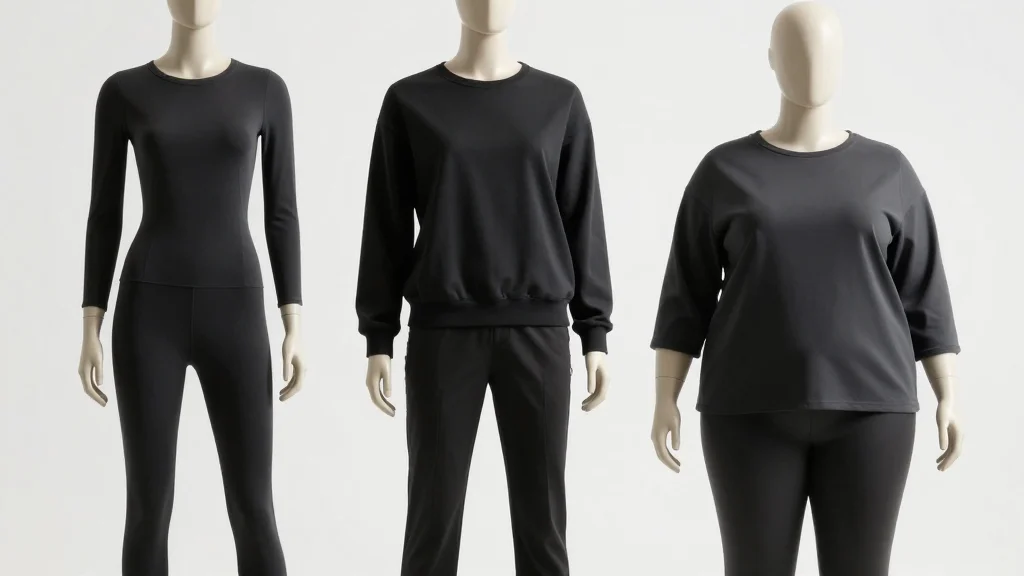
Inclusive Fashion Moves From Trend to Standard as Brands Redesign for Diversity

Why It Matters
The move toward inclusive fashion reshapes how the industry defines beauty, profitability and responsibility. By embracing a wider range of bodies and identities, brands can tap into previously underserved market segments, driving revenue growth while fostering social equity. Moreover, the trend challenges entrenched norms, prompting a reevaluation of design processes, supply‑chain practices and marketing narratives across the global fashion ecosystem. Beyond economics, inclusive fashion influences cultural perception, offering representation that can boost self‑esteem and social inclusion for marginalized groups. As consumers increasingly align purchases with personal values, the sector's ability to deliver authentic, diverse products will become a key differentiator in a competitive marketplace.
Key Takeaways
- •Designers launch adaptive, gender‑neutral and extended‑size collections in 2026.
- •Influencers Ashley Graham and Rihanna cited as catalysts for mainstream inclusivity.
- •Social media platforms accelerate consumer‑driven demand for diverse fashion.
- •Industry analysts predict higher revenue and loyalty from inclusive product lines.
- •Upcoming fashion weeks expected to feature a larger share of diverse models.
Pulse Analysis
The inclusive fashion surge represents a strategic pivot rather than a fleeting fad. Historically, the industry has relied on narrow beauty ideals to drive aspirational sales; today, data shows that younger consumers—particularly Gen Z—evaluate brands on social impact as heavily as on style. This generational shift forces companies to embed inclusivity into the DNA of product development, not just marketing.
From a competitive standpoint, early adopters gain a dual advantage: they capture untapped revenue streams and build brand equity that resonates with values‑driven shoppers. Latecomers risk being labeled performative, which can erode trust and invite backlash on social platforms where authenticity is instantly scrutinized. The rise of adaptive wear also opens opportunities for cross‑industry partnerships with technology firms developing smart fabrics and assistive devices, further blurring the line between fashion and function.
Looking forward, the sector will likely see the emergence of standardized sizing and certification bodies for inclusive design, akin to sustainability certifications that have become commonplace. Such frameworks could reduce consumer confusion and create a level playing field, encouraging more brands to invest in genuine inclusivity. Ultimately, the momentum generated in 2026 sets the stage for a fashion landscape where diversity is a baseline expectation, reshaping everything from runway casting to supply‑chain logistics.
Inclusive Fashion Moves From Trend to Standard as Brands Redesign for Diversity
Comments
Want to join the conversation?
Loading comments...