Why It Matters
The slowdown reshapes revenue streams for luxury houses and signals retailers to diversify accessory portfolios, while indicating broader shifts in professional women’s attire.
Key Takeaways
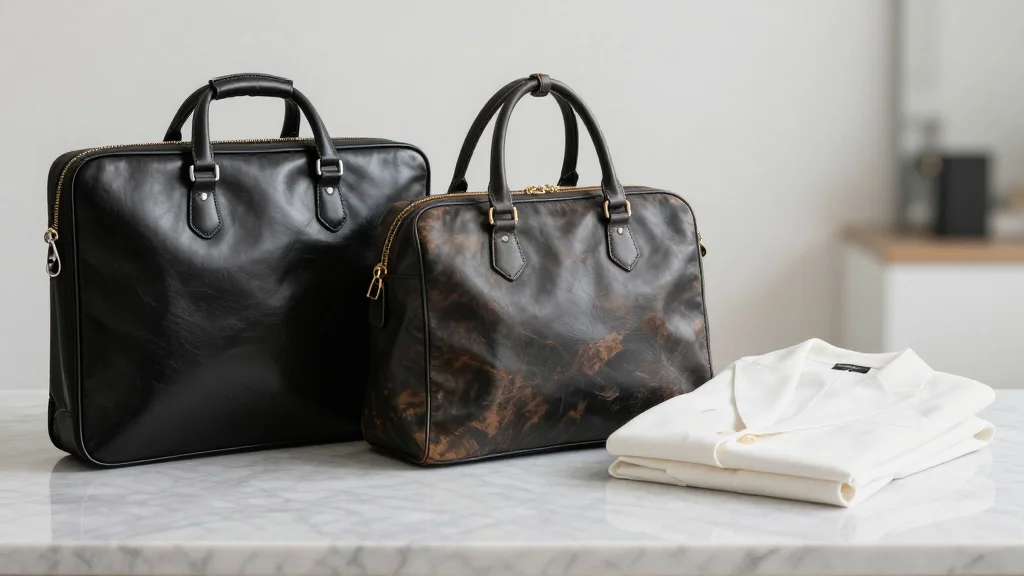
- •Handbag demand fell 5.5% YoY in April 2026.
- •Briefcase searches rose 14% over same period.
- •Searches for clothing with pockets jumped 542% since Jan.
- •Luxury bag prices, like Chanel Maxi Flap, hit $8,500.
- •Powerful women increasingly favor phone‑only, pocket‑friendly outfits.
Pulse Analysis
The latest Lyst data underscores a measurable pullback in women’s handbag sales, with a 5.5% year‑over‑year decline in April 2026. At the same time, briefcase interest is up 14% and searches for pocket‑enabled clothing have exploded by more than five‑fold. For luxury houses that have relied on the high‑margin “It bag” to drive growth, this shift translates into a tighter top line and forces a reassessment of product mix, especially as flagship items like Chanel’s $8,500 Maxi Flap face tepid consumer enthusiasm.
Beyond pure economics, the change mirrors a cultural realignment among professional women. Iconic figures—from Margaret Thatcher to Japan’s Prime Minister Sanae Takaichi—once used handbags as status symbols, but a new generation of leaders, including former U.S. officials and fashion editors, are opting for streamlined, phone‑centric looks. The rise of smartphones and the ability to store documents digitally reduce the functional need for a bulky tote, while the visual cue of a bag‑free silhouette signals efficiency and modern authority. This power‑driven practicality dovetails with a broader minimalist aesthetic that values sleek lines over conspicuous branding.
Looking ahead, the industry is likely to double down on resale platforms and vintage curation, where consumers can access coveted designs without the price tag of a brand‑new luxury piece. Sustainable sourcing and limited‑edition reissues—such as Fendi’s revival of the original Baguette—offer a compromise between heritage appeal and contemporary sensibility. Brands that adapt by expanding into tech‑friendly accessories, offering modular inserts, or integrating smart features into smaller carriers will be best positioned to retain relevance as the handbag’s era of dominance recedes.
Is the Handbag Over?
Comments
Want to join the conversation?
Loading comments...