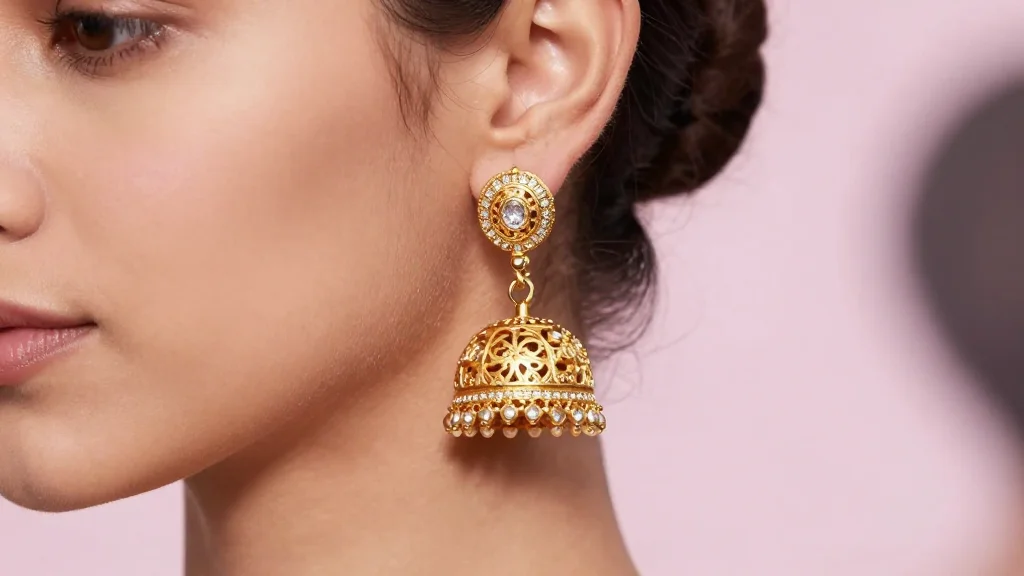
Jhumkas Go Global as Italian PM and Ralph Lauren Spotlight Indian Earrings

Companies Mentioned
Why It Matters
The jhumka surge illustrates how heritage accessories can cross cultural borders, reshaping consumer expectations for authenticity and inclusivity. For Indian artisans, the heightened demand offers a pathway to larger, higher‑value contracts, provided global brands respect intellectual property and provide transparent sourcing. At the same time, the controversy around credit highlights a broader reckoning in fashion over cultural appropriation, prompting brands to adopt more ethical collaboration models. Beyond economics, the trend signals a shift in aesthetic narratives: Western wardrobes are increasingly open to non‑Western motifs, expanding the definition of contemporary style. This could encourage a more diverse design ecosystem, where cross‑cultural exchange becomes a norm rather than an exception.
Key Takeaways
- •Italian PM Giorgia Meloni's selfie featuring jhumkas went viral, sparking global interest.
- •Ralph Lauren showcased jhumkas at Paris Fashion Week, labeling them "vintage earrings".
- •Designers Akanksha Chhabra and Bia Sandhu provide styling tips for formal and casual looks.
- •Social media backlash over lack of credit highlights cultural appropriation concerns.
- •Prada's commitment to Indian manufacturing sets a benchmark for responsible sourcing.
Pulse Analysis
The rapid uptake of jhumkas reflects a convergence of digital virality and strategic runway placement. In the past, heritage accessories have required a prolonged runway cycle to achieve mainstream acceptance; this time, a single selfie and a high‑profile runway show accelerated the process. Brands that can quickly align with authentic Indian craftsmanship stand to capture a premium segment of consumers seeking both novelty and cultural legitimacy.
Historically, Western fashion has borrowed from Indian motifs—think paisley or the 1960s Mod look—but rarely with direct attribution. The current backlash suggests a new consumer consciousness that demands transparency. Companies that embed credit mechanisms—such as co‑branding with Indian artisans or profit‑sharing agreements—could differentiate themselves and mitigate reputational risk. Conversely, those that ignore these expectations risk boycotts and diminished brand equity.
Looking ahead, the jhumka phenomenon may act as a catalyst for broader Indian textile and jewellery exports. If the trend sustains through the next fashion calendar, we could see a measurable increase in orders for handcrafted pieces, prompting capacity upgrades in Indian workshops. However, scalability will hinge on preserving the artisanal quality that fuels the appeal. The industry’s response will likely shape the next chapter of cultural exchange in fashion, balancing commercial ambition with ethical stewardship.
Jhumkas Go Global as Italian PM and Ralph Lauren Spotlight Indian Earrings
Comments
Want to join the conversation?
Loading comments...