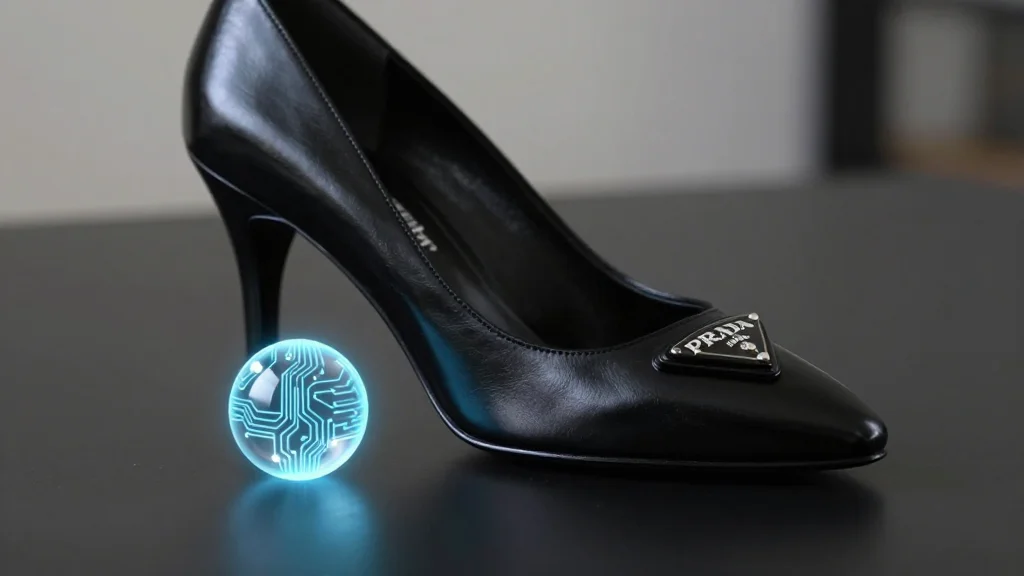
Prada Unveils AI‑Generated 'Satellites II' Film Featuring Hideo Kojima and Nicolas Winding Refn

Companies Mentioned
Why It Matters
Prada’s AI‑driven short film illustrates a turning point where luxury fashion embraces generative technology not just for efficiency but as a core creative partner. The experiment challenges traditional notions of authorship, prompting brands to reconsider how they credit human talent when AI recreates their likenesses. If the "Satellites II" campaign resonates with consumers, it could accelerate the adoption of AI across the fashion sector—from runway visualizations to personalized advertising—potentially reshaping the economics of high‑end marketing and redefining the consumer‑brand relationship in an increasingly digital world.
Key Takeaways
- •Prada debuted "Satellites II," an AI‑generated short film starring Hideo Kojima and Nicolas Winding Refn
- •The film premiered at the Prada Mode event in New York, June 3‑7, with public screenings through June 7
- •Refn described the collaboration as a shared consciousness orbiting the same obsessions
- •Social media reaction split between praise for AI innovation and criticism over authenticity
- •The project signals luxury brands’ growing willingness to use generative AI as a core creative tool
Pulse Analysis
Prada’s foray into AI‑generated advertising reflects a broader strategic shift among luxury houses: leveraging technology to amplify narrative depth while curbing production overhead. Historically, high fashion has relied on handcrafted visuals and celebrity endorsements to convey exclusivity. By substituting a portion of that process with generative AI, Prada tests whether the aura of exclusivity can survive when the image is partially machine‑crafted. The brand’s choice of Kojima and Refn—figures already associated with hyper‑stylized, futuristic worlds—mitigates the risk of alienating core consumers, as their personas align with the film’s noir aesthetic.
From a market perspective, the experiment could create a new benchmark for AI‑enabled storytelling. If consumer sentiment skews positive, competitors like Louis Vuitton and Balenciaga may accelerate their own AI initiatives, potentially sparking a wave of AI‑centric campaigns that blur the line between art and algorithm. Conversely, a backlash could reinforce the premium placed on human‑crafted luxury narratives, prompting brands to double‑down on artisanal authenticity. Either outcome will inform how quickly AI integrates into the high‑end advertising stack.
Looking ahead, the key metric for Prada will be the conversion of buzz into measurable brand equity—whether through increased foot traffic at flagship stores, higher engagement on digital platforms, or uplift in sales of the limited‑edition pieces tied to the film’s visual language. The industry will watch closely, as Prada’s experiment may either validate AI as a legitimate creative collaborator in luxury fashion or serve as a cautionary tale about over‑reliance on synthetic media.
Prada Unveils AI‑Generated 'Satellites II' Film Featuring Hideo Kojima and Nicolas Winding Refn
Comments
Want to join the conversation?
Loading comments...