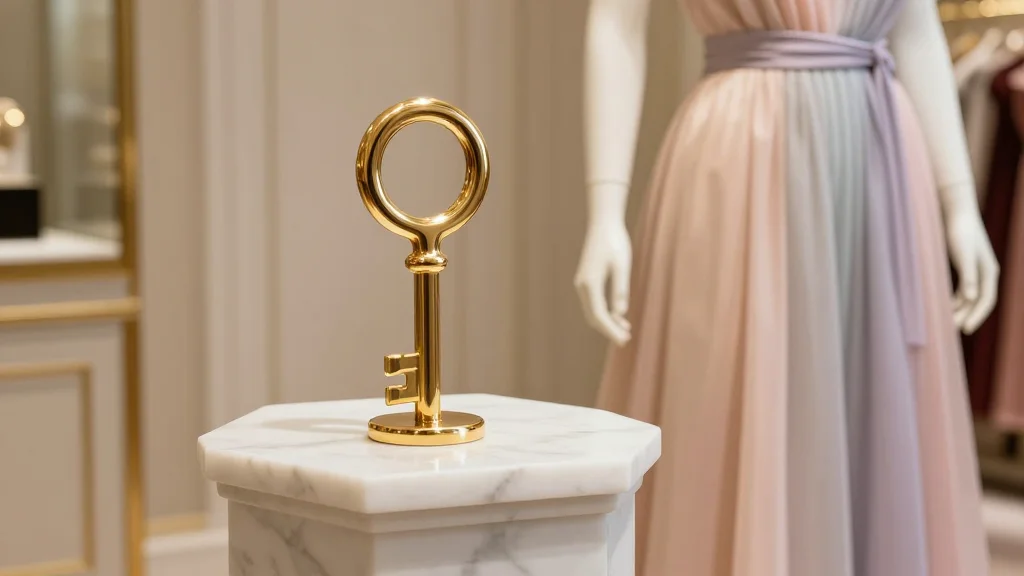
Schiaparelli Unveils Art‑Inspired Pop‑Up Takeover at Harrods

Companies Mentioned
Why It Matters
The Schiaparelli‑Harrods collaboration highlights how luxury fashion houses are increasingly using cultural institutions and high‑profile retail spaces to deepen brand storytelling. By aligning a pop‑up with a major museum exhibition, Schiaparelli not only celebrates its artistic legacy but also taps into the growing consumer appetite for immersive, Instagram‑ready experiences. This approach can drive incremental sales—particularly of ancillary products like limited‑edition books—while reinforcing the brand’s relevance in a crowded luxury market. If successful, the model could inspire other heritage fashion houses to pursue similar partnerships, accelerating a trend where retail spaces become temporary museums. Such activations may reshape how luxury brands allocate marketing budgets, shifting spend from traditional advertising toward experiential installations that generate organic press coverage and social media amplification.
Key Takeaways
- •Schiaparelli installed art‑focused pop‑ups across Harrods’ first floor and windows.
- •The installations feature the brand’s golden keyhole motif and promote the book “Anglomaniac.”
- •“Anglomaniac” includes contributions from 50+ artists, edited by V&A curator Thierry‑Maxime Loriot.
- •The pop‑up coincides with the V&A’s “Schiaparelli: Fashion Becomes Art” exhibition running through Nov. 1.
- •Schiaparelli’s Harrods boutique is the label’s only permanent UK storefront.
Pulse Analysis
Schiaparelli’s Harrods pop‑up is a strategic bet on experiential retail that leverages cultural capital to differentiate the brand in a saturated luxury landscape. Historically, luxury houses have relied on flagship stores to convey heritage; however, the high cost of permanent retail space and shifting consumer behavior toward experience‑driven shopping have prompted a pivot. By embedding its narrative within Harrods—a destination already associated with exclusivity—Schiaparelli amplifies its artistic DNA without the overhead of a new flagship.
The timing with the V&A exhibition is no coincidence. Museum collaborations provide instant credibility and attract a cross‑section of visitors who may not be traditional luxury shoppers. This cross‑pollination expands the brand’s reach and creates a halo effect for ancillary products like “Anglomaniac.” Moreover, the pop‑up’s limited duration creates urgency, encouraging immediate foot traffic and social media buzz. If the activation delivers strong conversion metrics—book sales, boutique footfall, and brand sentiment—other heritage houses are likely to replicate the formula, potentially leading to a wave of museum‑adjacent retail experiences.
Looking ahead, the key question is scalability. While pop‑ups are effective for generating spikes in attention, sustaining brand relevance will require a cadence of activations that balance novelty with brand consistency. Schiaparelli may consider rotating themes, collaborating with different artists, or extending the model to other iconic venues such as the Louvre or MoMA. Success will hinge on the ability to translate cultural engagement into measurable commercial outcomes, a challenge that will define the next chapter of experiential luxury retail.
Schiaparelli Unveils Art‑Inspired Pop‑Up Takeover at Harrods
Comments
Want to join the conversation?
Loading comments...