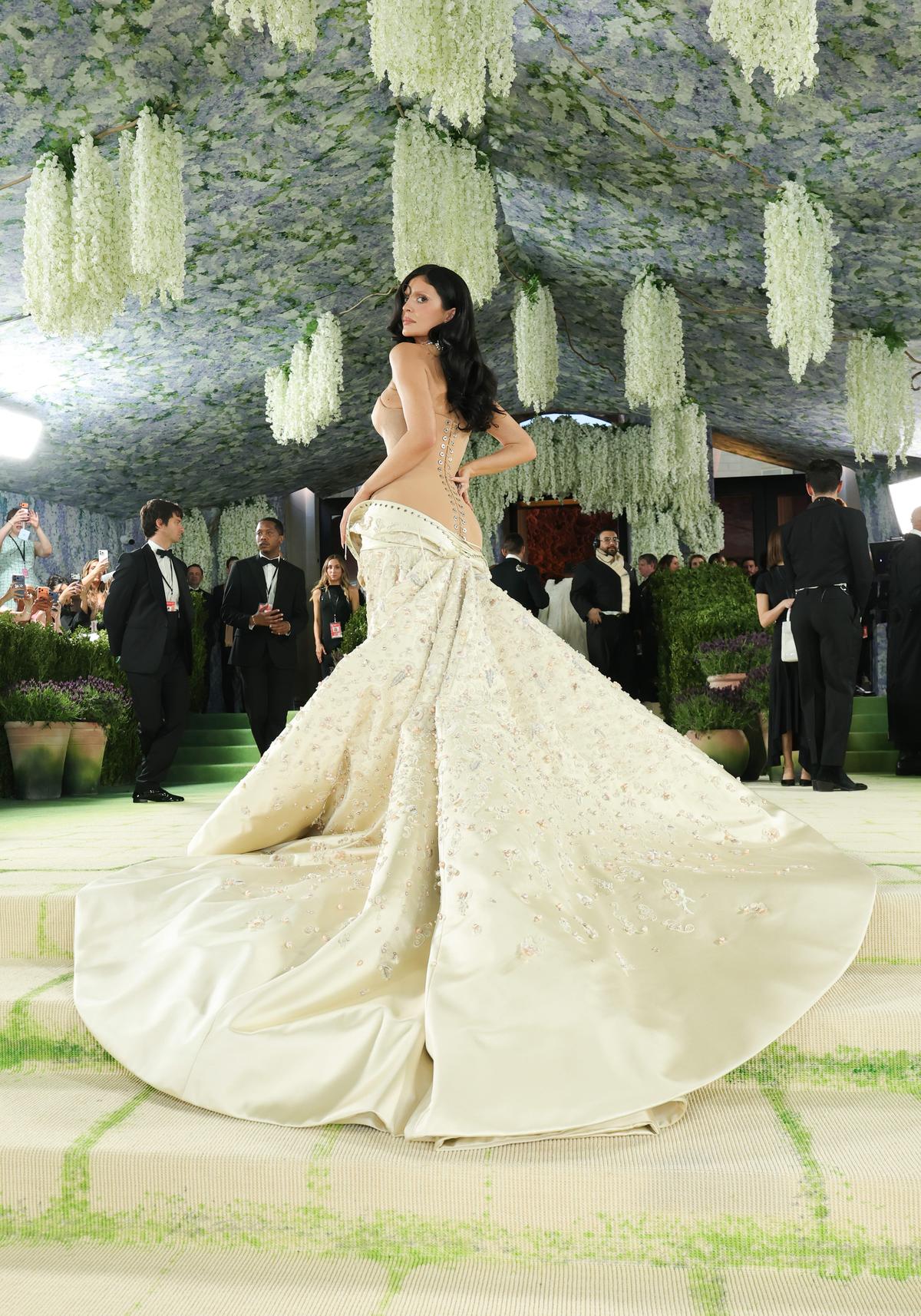
The Art That Inspired the 2026 Met Gala Red Carpet
Why It Matters
The gala’s art‑driven narrative turns high‑profile fashion into a commercial engine, boosting luxury brand sales and cementing the Met’s influence on global style cycles.
Key Takeaways
- •Met Gala 2026 theme “Fashion Is Art” ties fashion to visual art
- •Exhibition “Costume Art” explores classical, overlooked, and universal bodies
- •Celebrities referenced historic paintings and sculptures in their red‑carpet looks
- •Designers used nude, prosthetic, and jewel‑laden concepts to embody bodies
- •The event reinforces the Met’s role in shaping luxury fashion trends
Pulse Analysis
The Metropolitan Museum of Art’s Costume Institute kicked off its 2026 gala with the bold theme “Fashion Is Art,” a directive that blurs the line between runway couture and fine‑art expression. Opening May 10, the accompanying “Costume Art” exhibition is organized into three lenses—the classical body, the overlooked body, and the universal body—each showcasing works that examine how clothing interacts with the human form. By framing the red‑carpet as a living gallery, the Met signals a deeper curatorial partnership with fashion houses, positioning the event as both a cultural showcase and a commercial catalyst.
On the carpet, A‑list guests turned iconic artworks into wearable statements, from Rachel Zegler’s nod to Paul Delaroche’s “The Execution of Lady Jane Grey” to Bad Bunny’s elderly‑self costume echoing the overlooked body motif. Designers such as Prabal Gurung, Prada, and Schiaparelli employed nude silhouettes, full‑body prosthetics, and jewel‑encrusted embellishments to echo classical statues, Klimt’s gilded patterns, and the anatomical precision of Seurat’s pointillism. The visual dialogue generated millions of social‑media impressions, driving instant brand buzz and prompting retailers to launch limited‑edition collections that mirror the gala’s artistic references.
For luxury brands, the Met Gala remains a high‑stakes marketing platform that can translate runway hype into measurable sales spikes, often within weeks of the event. The art‑centric narrative this year amplifies collaborations between fashion houses and museums, encouraging cross‑sector licensing deals and new revenue streams such as museum‑branded accessories. Analysts predict that the “Fashion Is Art” framing will accelerate consumer appetite for narrative‑driven collections, reinforcing the Met’s influence on seasonal trends and underscoring the symbiotic relationship between cultural institutions and the global fashion economy.
The Art That Inspired the 2026 Met Gala Red Carpet
Comments
Want to join the conversation?
Loading comments...