The Lyst Index Is Out—And This Year’s Top 10 Reveals More Than You Think
Companies Mentioned
Why It Matters
The trend signals that consumer demand is shifting toward emotionally resonant, nostalgia‑filled fashion, prompting brands to balance heritage aesthetics with price accessibility. This dynamic reshapes inventory planning and marketing strategies across luxury and mass‑market segments.
Key Takeaways
- •Y2K and 90s styles dominate Lyst’s Q1 2026 hottest brands.
- •Stone Island ranks 17th, while Versace, Burberry, Ralph Lauren in top 20.
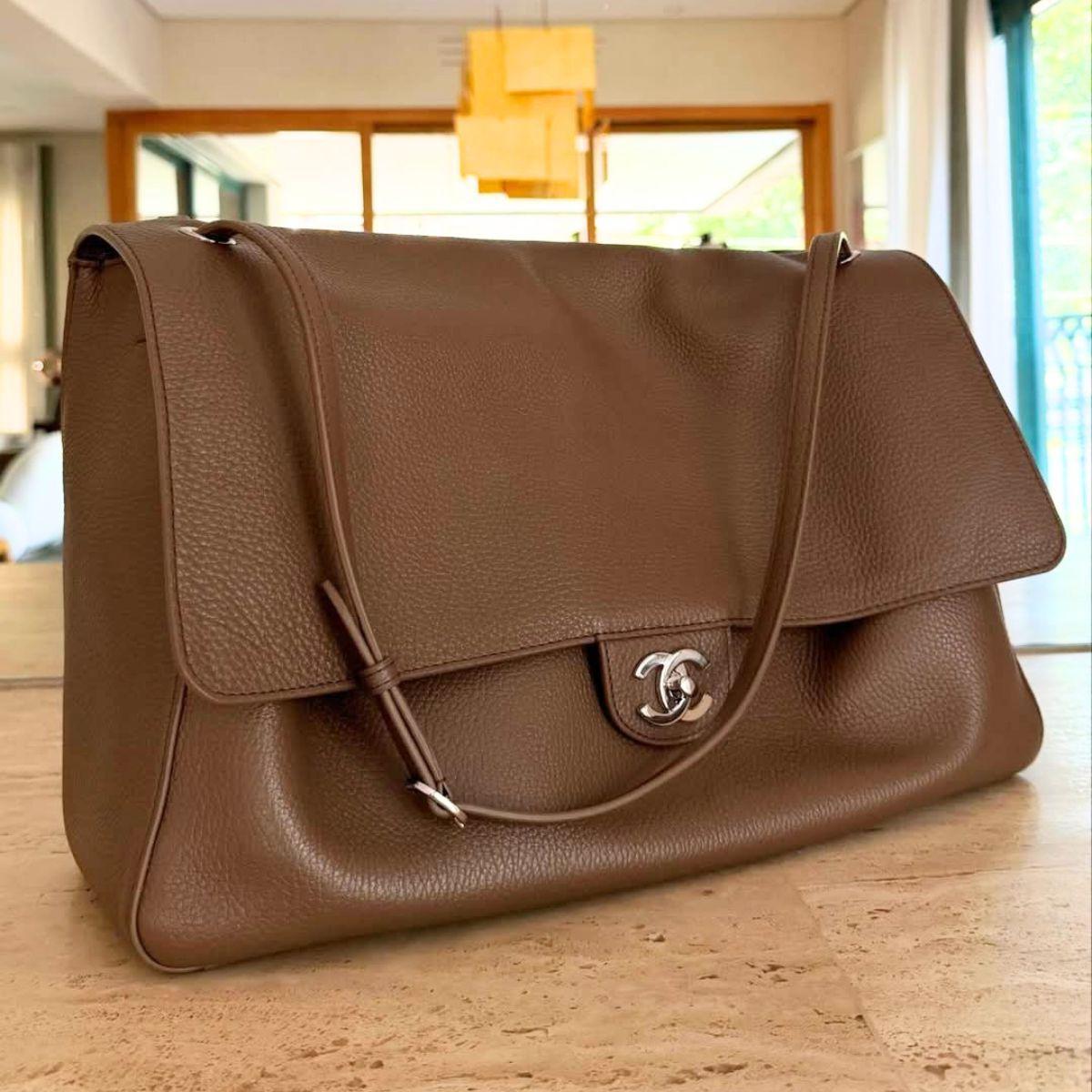
- •Chanel bag sits beside $3 Trader Joe’s tote on product list.
- •Nostalgia drives purchases, offering emotional comfort amid economic uncertainty.
- •Instagram’s #90sfashion garners 6.4 million posts, amplifying retro demand.
Pulse Analysis
The Lyst Index, powered by the world’s largest fashion‑shopping platform with 160 million users, has become a barometer for emerging style cycles. Its Q1 2026 data reveal a pronounced resurgence of 1990s and early‑2000s aesthetics, with brands that once defined those eras—Stone Island, Versace, Burberry, and Ralph Lauren—climbing the rankings. The platform’s hottest‑product list underscores the paradox of modern consumerism: a $2,930 Saint Laurent jacket sits next to a $3 Trader Joe’s tote, proving that shoppers are equally drawn to iconic luxury pieces and affordable, nostalgia‑infused items.
Psychologists attribute this pattern to the comforting power of nostalgia. When consumers reminisce about past fashion moments, they experience heightened happiness and social connection, a welcome antidote to today’s affordability pressures and geopolitical uncertainty. Social media amplifies this effect; the #90sfashion hashtag has amassed over 6.4 million posts, turning individual retro outfits into a collective cultural movement. Brands that tap into this emotional current—by reviving archival designs or collaborating with influencers who showcase vintage looks—gain a competitive edge in capturing both sentiment and spend.
For retailers, the Lyst Index signals a strategic imperative: blend heritage storytelling with tiered pricing to satisfy divergent buyer motivations. Luxury houses can leverage limited‑edition retro drops to command premium margins, while fast‑fashion and mass‑market players can democratize the trend with lower‑cost reinterpretations. As nostalgia continues to fuel purchasing decisions, expect a sustained convergence of high‑end and accessible fashion, reshaping inventory allocations, marketing budgets, and the overall retail landscape.
The Lyst Index Is Out—And This Year’s Top 10 Reveals More Than You Think
Comments
Want to join the conversation?
Loading comments...