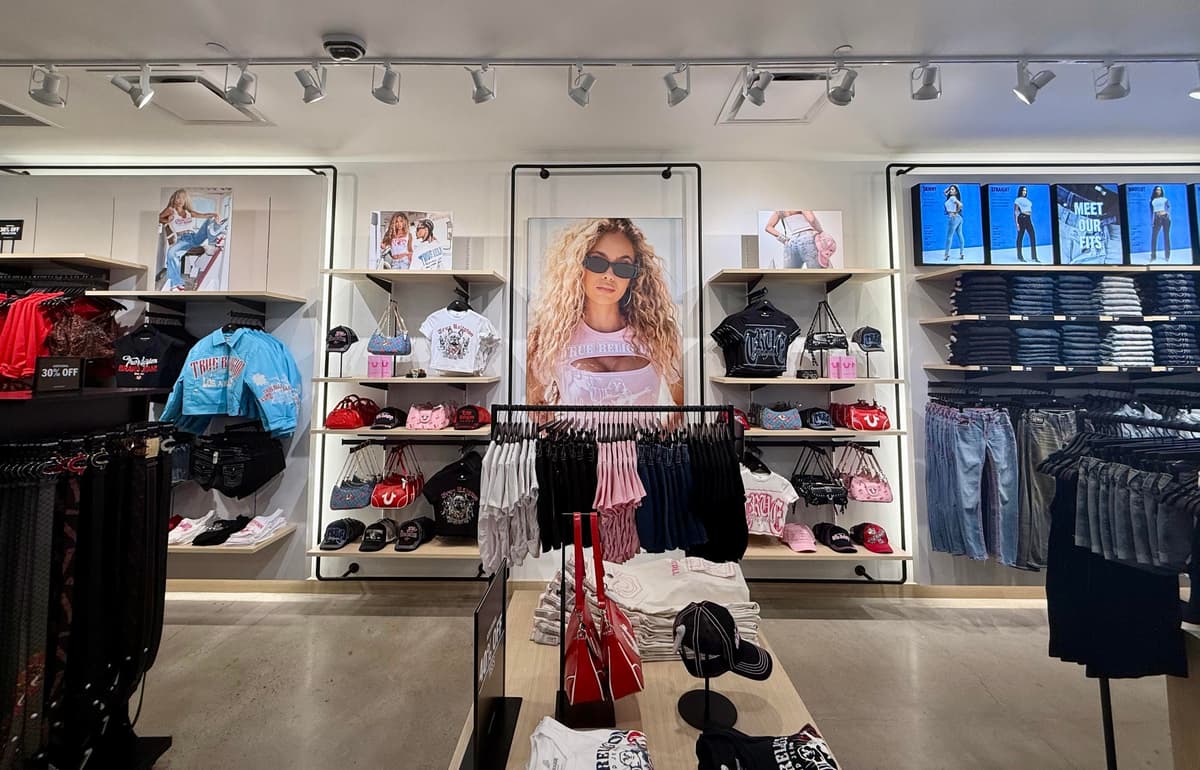
True Religion Is A Fashion Brand That Refused To Die—And Came Back Stronger
Companies Mentioned


Why It Matters
The turnaround shows legacy fashion labels can regain relevance by realigning demographics, cutting costs, and leveraging influencer‑driven DTC growth, a blueprint for the broader apparel sector.
Key Takeaways
- •$470 M sales in 2025, >20% YoY growth.
- •Targeting $1 B revenue and 150 stores by 2030.
- •Sportswear now 60% of revenue, jeans 40%.
- •10% of revenue allocated to influencer‑driven marketing.
- •New stores generate $1.5‑3 M each, boosting DTC margins.
Pulse Analysis
True Religion’s resurgence underscores a broader shift in the apparel industry, where heritage brands are forced to reinvent or disappear. By shedding excess retail space and refocusing on a cost‑effective, streetwear‑centric model, the company has aligned its cost structure with the purchasing power of a younger, more diverse consumer base. This strategic realignment mirrors the success of peers that have embraced direct‑to‑consumer channels, allowing brands to capture higher margins while maintaining brand equity.
The demographic pivot is central to the brand’s growth engine. Research revealed that nearly half of True Religion’s customers are African‑American and Latino, representing a $100 billion total addressable market. By lowering jean price points to around $100 and expanding into athleisure, the label now derives 60% of revenue from sportswear and accessories, while jeans account for the remaining 40%. This balanced mix not only broadens appeal but also stabilizes cash flow, as athleisure enjoys sustained demand across seasons.
Marketing and retail execution are the final pillars of the turnaround. Allocating roughly 10% of revenue to influencer partnerships—featuring Megan Thee Stallion, GloRilla, and other hip‑hop stars—has revitalized cultural relevance and driven traffic to both online and brick‑and‑mortar channels. New stores, each delivering $1.5‑3 million in sales, are strategically placed in mid‑size malls that attract the target demographic, supporting a goal of 150 locations and $1 billion in sales by 2030. This integrated approach positions True Religion as a case study in how legacy fashion houses can leverage cultural capital and disciplined expansion to achieve sustainable growth.
True Religion Is A Fashion Brand That Refused To Die—And Came Back Stronger
Comments
Want to join the conversation?
Loading comments...