Why It Matters
Mainstream adoption of tabi sneakers expands design possibilities for large retailers and reshapes consumer expectations, driving new growth avenues in the competitive sneaker market.
Key Takeaways
- •Nike and SKIMS launch split-toe Air Rift, reaching mass consumers
- •ASICS revives 1950s tabi marathon shoe via Kostadinov redesign
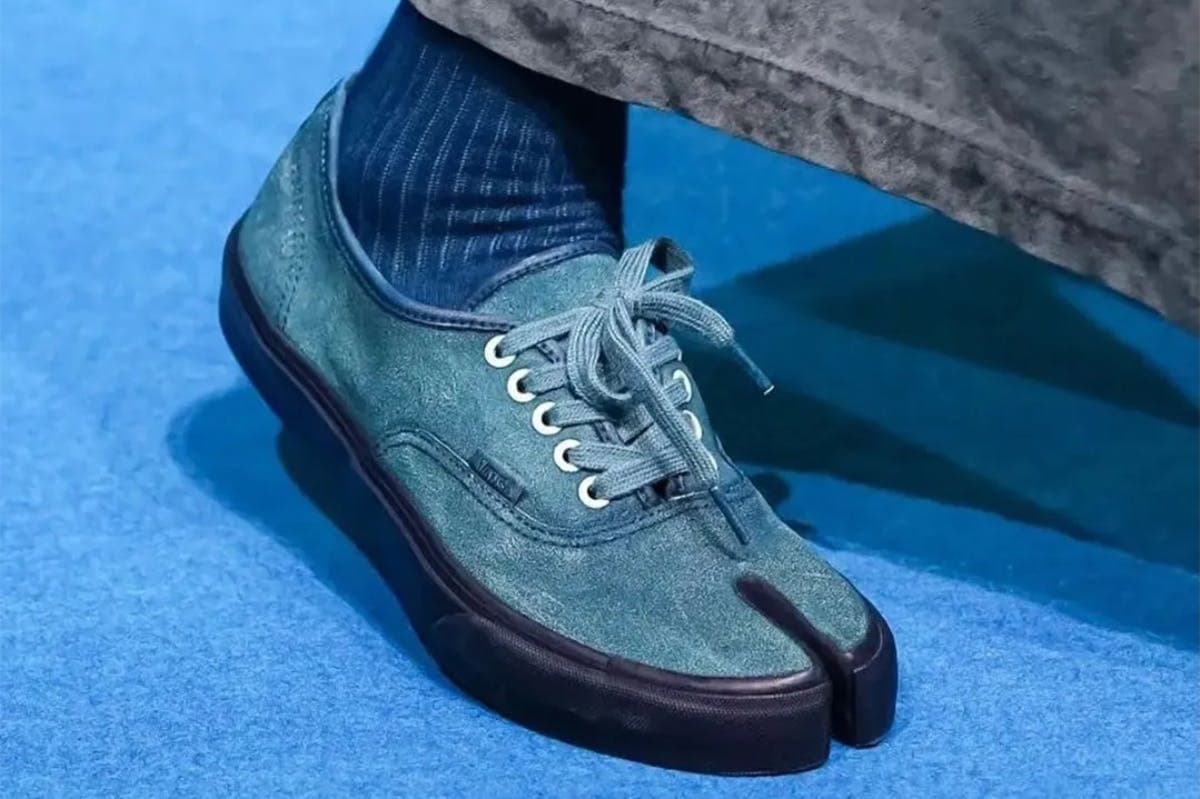
- •Vans‑style skate shoes adopt tabi silhouette through FDMTL collaboration
- •Toe‑shoe hype from Balenciaga fuels broader acceptance of split‑toe designs
- •Mainstream brands normalize tabi sneakers, blurring line between avant‑garde and everyday
Pulse Analysis
The split‑toe aesthetic traces its roots to Japan’s traditional tabi shoe, a practical garment that separates the big toe for ease of movement. Maison Margiela popularized the look in high fashion during the late 1980s, turning the modest work shoe into a provocative runway staple. Over the past decade, niche brands like Sweet Villains and Suicoke kept the silhouette alive, but it remained a subcultural curiosity. Recent cultural shifts—driven by social media visibility and a hunger for distinctive silhouettes—have primed the market for a broader revival.
The turning point arrived when Nike teamed up with SKIMS, leveraging the iconic 1996 Air Rift platform to deliver a split‑toe sneaker to a mass audience. The collaboration’s high‑profile nature, amplified by Kim Kardashian’s influence, signaled that even the most unconventional designs can achieve commercial viability. Following suit, ASICS enlisted designer Kiko Kostadinov to reinterpret its 1950s tabi marathon shoe, and FDMTL introduced a Vans‑style skate version. These releases, spanning luxury, performance, and streetwear segments, illustrate how the tabi silhouette is being re‑engineered for diverse consumer needs while retaining its distinctive split‑toe identity.
The broader acceptance of tabi sneakers is reinforced by the parallel rise of toe‑shoes, such as Vibram FiveFingers and Balenciaga‑inspired designs, which push the envelope further by exposing each toe. This convergence normalizes split‑toe concepts, making them less polarizing and more approachable for everyday wear. As retailers recognize the commercial potential, we can expect an influx of hybrid designs that blend comfort, performance, and avant‑garde aesthetics, cementing the tabi sneaker’s place in the evolving landscape of footwear fashion.
When Did Tabi Sneakers Get so Normal?
Comments
Want to join the conversation?
Loading comments...