WTF Is Pop Luxury? Let Louis Vuitton Explain
Why It Matters
The pop‑luxury narrative shows luxury houses embracing mass‑culture appeal, expanding their audience and reinforcing brand relevance in a digitally driven market.
Key Takeaways
- •LV's Cruise 2027 merges pop art with high-end fashion
- •Collaboration revives Keith Haring trunk, sold $35k in 2020
- •Pop luxury term signals mainstream appeal for traditionally exclusive brands
- •Collection features streetwear staples like sneakers and denim alongside couture
- •Show at The Frick blends historic venue with contemporary pop culture
Pulse Analysis
Louis Vuitton’s Cruise 2027 collection introduced the phrase ‘pop luxury’ to describe a deliberate fusion of high‑end craftsmanship with the visual language of pop art and everyday culture. By staging the runway inside New York’s Frick Collection—a museum of Old Master paintings—the house juxtaposed centuries‑old aesthetics with neon‑bright silhouettes, oversized collars and sneaker‑style footwear. This staging underscores a strategic shift: luxury houses are no longer hidden behind exclusive salons but are positioning themselves as cultural touchstones that speak to a mass audience while retaining premium pricing.
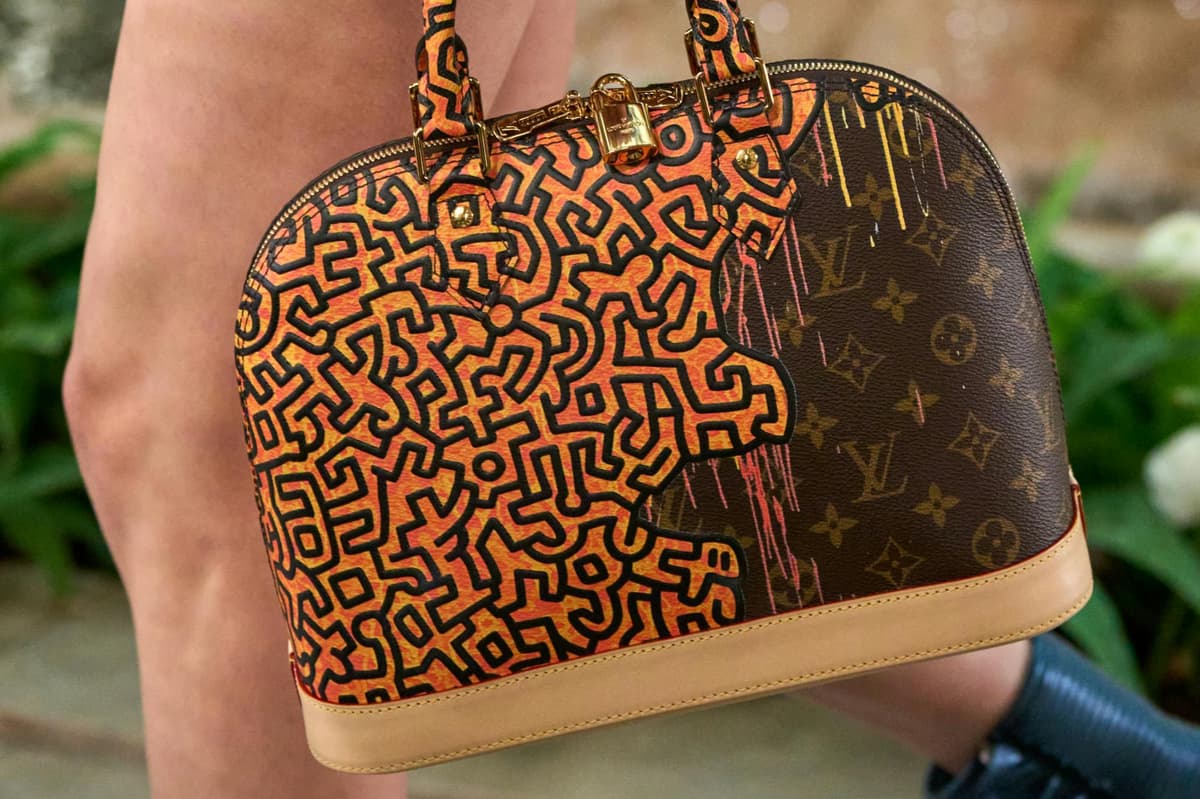
The centerpiece of the show was a partnership with the Keith Haring Foundation, reviving the iconic 1984 Haring‑doodled LV trunk that fetched $35,075 at auction in 2020. Haring’s bold, cartoon‑like figures now adorn summer dresses, tailored jackets and accessories, linking the brand to a lineage of artists who have crossed over into commercial fashion, from Warhol to contemporary streetwear collaborations. By aligning with Haring’s legacy, LV taps into the nostalgia and collectability that drive secondary‑market demand, reinforcing its narrative of artistic relevance and cultural capital.
‘Pop luxury’ reflects a broader industry trend where heritage labels embed streetwear staples—denim, athleisure, sneaker silhouettes—into runway narratives, blurring the line between runway exclusivity and street credibility. This approach expands the consumer base, attracting younger, digitally native shoppers who value authenticity and cultural relevance as much as price. As luxury brands continue to leverage pop culture partnerships and high‑visibility venues, the definition of exclusivity evolves from scarcity to cultural resonance, suggesting that future growth will hinge on a brand’s ability to translate popular motifs into premium experiences.
WTF Is Pop Luxury? Let Louis Vuitton Explain
Comments
Want to join the conversation?
Loading comments...