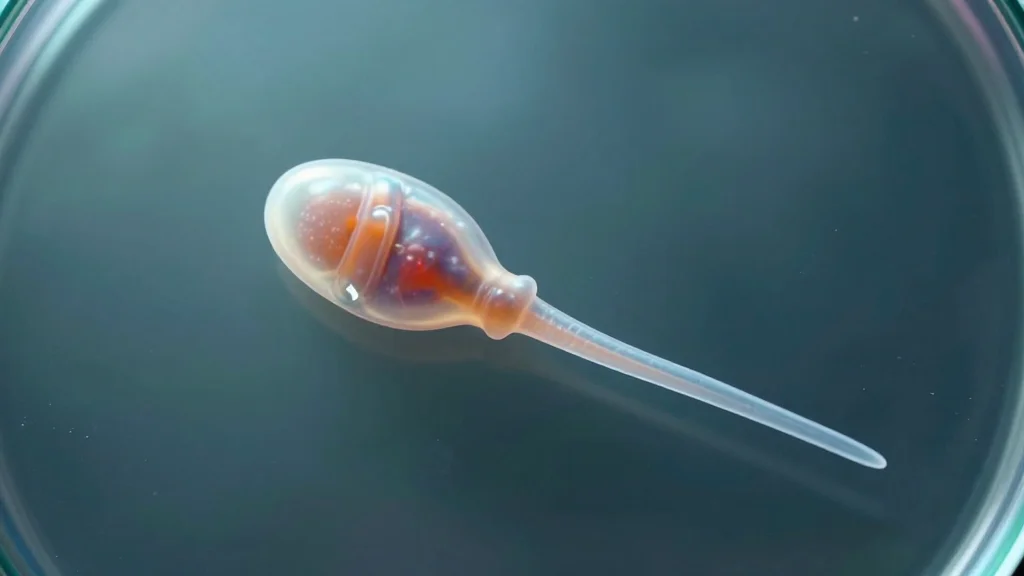
AI‑Driven STAR System Enables First Biological Fatherhood for Azoospermic Man

Why It Matters
The STAR breakthrough tackles a long‑standing blind spot in reproductive medicine: men who produce no detectable sperm. By turning a previously untreatable condition into a viable path to biological fatherhood, the technology could reduce reliance on donor sperm and alter family‑building dynamics worldwide. Moreover, the integration of AI into microscale biology sets a precedent for other low‑signal medical challenges, potentially accelerating innovation across oncology, neurology and beyond. Beyond individual families, the development raises profound ethical questions about algorithmic decision‑making in deeply personal health contexts. How societies regulate AI‑mediated gamete selection, ensure equitable access, and protect genetic data will shape the next decade of reproductive law and bioethics.
Key Takeaways
- •STAR system isolated viable sperm from an azoospermic patient for the first AI‑assisted pregnancy
- •System is up to 40 times more effective than manual sperm analysis and reports 100 % sensitivity
- •30 % of 175 treated patients showed sperm presence previously deemed absent
- •First child conceived via STAR expected to be born in 2026
- •Experts call for extensive trials, ethical oversight and data‑privacy safeguards
Pulse Analysis
The STAR platform arrives at a moment when the fertility market, valued at over $30 billion globally, is hungry for breakthroughs that can expand the pool of treatable patients. Traditional micro‑dissection testicular sperm extraction (micro‑TESE) has modest success rates and requires highly skilled surgeons. By automating the detection process with AI, STAR could lower procedural costs, reduce operator variability, and scale to clinics that lack specialized microsurgical expertise. If the upcoming clinical trials confirm the early efficacy signals, we may see a rapid shift in investment toward AI‑centric reproductive devices, prompting incumbents like CooperSurgical and Vitrolife to either acquire similar technologies or accelerate their own R&D pipelines.
Historically, each wave of reproductive innovation— from IVF in the 1970s to CRISPR‑based embryo editing debates— has sparked intense ethical scrutiny. STAR’s ability to retrieve sperm that would otherwise be invisible challenges existing definitions of male infertility and may pressure insurers to reconsider coverage policies. However, the technology also risks widening disparities if pricing remains prohibitive, echoing concerns raised during the early rollout of IVF. Policymakers will need to balance encouraging innovation with safeguarding equitable access.
Looking ahead, the convergence of AI, micro‑fluidics and genomics could enable a new class of precision fertility tools that not only locate sperm but also assess DNA integrity in real time. Such capabilities would transform pre‑implantation genetic testing and could eventually lead to fully automated embryo creation pipelines. For now, STAR’s success story serves as a proof‑of‑concept that AI can move from data‑analysis to direct biological intervention, setting the stage for a decade of rapid, and potentially disruptive, advances in the fatherhood space.
AI‑Driven STAR System Enables First Biological Fatherhood for Azoospermic Man
Comments
Want to join the conversation?
Loading comments...