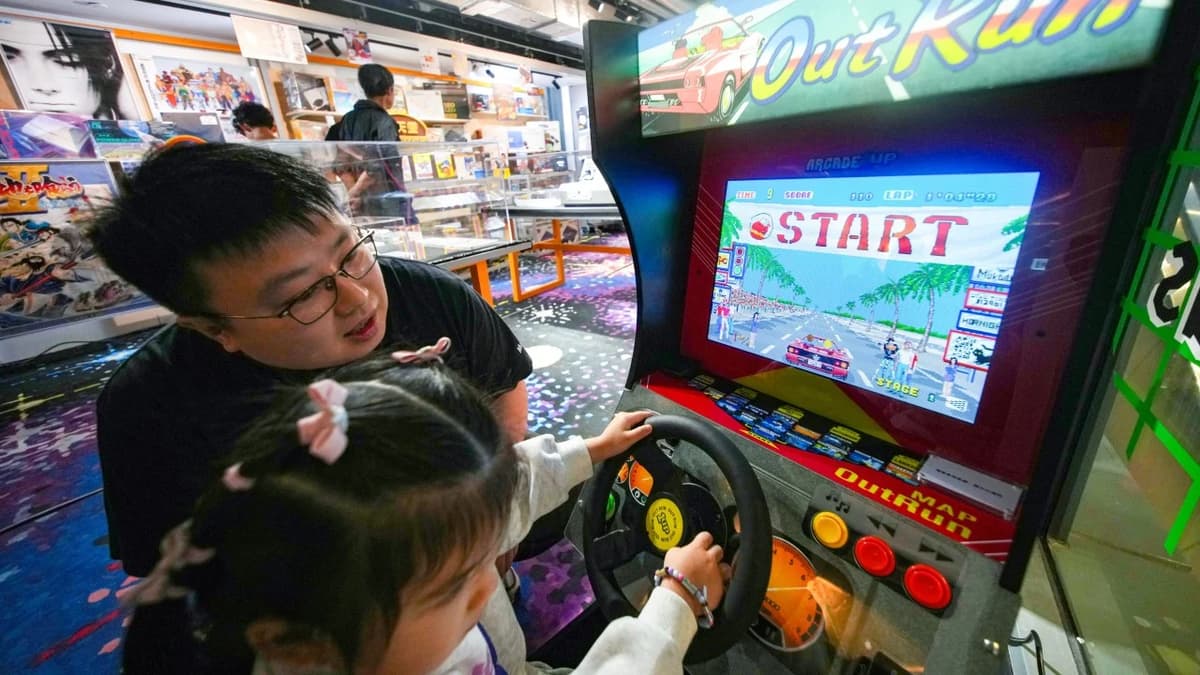
Can Parents and Children Playing Video Games Together Level up Their Relationship?
Companies Mentioned
Why It Matters
Co‑playing video games can transform parent‑child dynamics, boosting trust and communication—key factors for healthy development and family cohesion. The findings suggest a low‑cost, scalable way for families to strengthen bonds in an increasingly digital world.
Key Takeaways
- •Parents who game with kids rate relationship 20% higher
- •Only 29% of children report playing games with parents
- •Trust and understanding rise over 20 percentage points in gamer families
- •Younger parents see games boosting language, cooperation, problem‑solving
- •Top shared games: Super Mario, Roblox, Minecraft, Pokémon
Pulse Analysis
The Hong Kong study arrives at a moment when many Western parents are wrestling with how to manage screen time. Rather than imposing blanket bans, the data suggest that shared gaming experiences can serve as a bridge, allowing parents to understand the content their children consume and the social circles they navigate. This participatory approach mirrors broader shifts in parenting philosophy, where guidance replaces restriction, and aligns with research showing that joint activities—whether sports or board games—enhance relational health.
Beyond emotional benefits, co‑playing offers concrete developmental advantages. Interactive titles such as Roblox and Minecraft demand collaboration, strategic planning, and real‑time communication, skills that translate to classroom and workplace settings. Younger parents in the survey highlighted language acquisition as a notable outcome, echoing academic work linking multiplayer environments to improved vocabulary and cross‑cultural competence. Trust levels rose by more than 20 points in families that game together, indicating that shared digital play can reinforce the foundational pillars of confidence and mutual respect.
For practitioners and industry stakeholders, the findings present a clear call to action. Game developers might prioritize family‑friendly modes, parental dashboards, and cooperative mechanics that encourage joint participation. Meanwhile, educators and child‑development specialists can incorporate guided gaming sessions into curricula to foster teamwork and digital literacy. As the line between leisure and learning continues to blur, parents who embrace gaming as a collaborative tool stand to reap measurable gains in relationship quality and child outcomes.
Can parents and children playing video games together level up their relationship?
Comments
Want to join the conversation?
Loading comments...