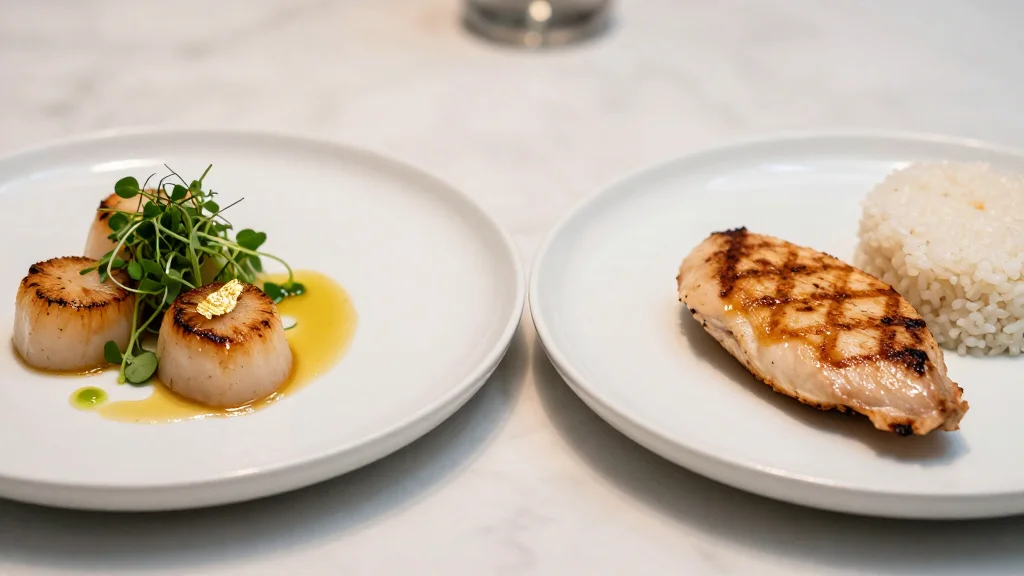
Singapore Eateries Show Father's Day Spend Trailing Mother's Day, Price Gap up to $50

Why It Matters
The spending gap between Mother’s Day and Father’s Day highlights how commercial narratives continue to reinforce traditional gender roles, influencing how families allocate resources and celebrate parental contributions. For policymakers and advocacy groups, these patterns provide a tangible metric of cultural bias that can be addressed through public awareness campaigns and inclusive marketing standards. For businesses, the gap signals an untapped revenue opportunity. Brands that successfully reframe Father’s Day as a moment for nuanced, health‑focused experiences could capture a new segment of consumers seeking to move beyond stereotypical “beer and steak” offerings, potentially reshaping the market dynamics of holiday spending.
Key Takeaways
- •Mother’s Day flagship dish at Meadesmoore priced at S$138 (≈US$102), Father’s Day steak at S$188 (≈US$139)
- •Pepper Lunch’s mother‑focused Cheesy Rose Yakiudon costs S$12.90 (≈US$9.5) vs. father’s Champion Marbled Steak at S$22.90 (≈US$17)
- •Executives cite “meaningful value and emotional connection” as the driver behind higher mother‑centric pricing
- •Chefs report a shift toward health‑focused, nuanced flavors for mothers and robust, meat‑centric options for fathers
- •Industry observers see the spend gap as both a cultural signal and a market opportunity
Pulse Analysis
The current pricing disparity is not merely a reflection of ingredient costs; it is a strategic choice rooted in decades‑old gender marketing. Historically, Mother’s Day has been positioned as a celebration of nurturing, prompting brands to invest in premium, aesthetically appealing products. Father’s Day, by contrast, has been marketed around utility and strength, leading to simpler, lower‑margin offerings. This legacy persists in Singapore’s high‑density dining market, where price points are used to signal emotional value.
From a competitive standpoint, the gap creates a clear opening for innovators. Brands that can blend the “delicate” aesthetic with the “robust” flavor profile—think health‑forward steak dishes or artisanal cocktails with floral notes—could capture a demographic of fathers who are increasingly health‑conscious and desirous of more nuanced experiences. Early adopters in the West have begun to test such concepts, and the Singapore market, with its sophisticated consumer base, is primed for similar experimentation.
Looking ahead, the sustainability of the spend gap will hinge on broader societal shifts. As gender norms evolve and fathers take on more caregiving roles, the demand for refined, celebratory experiences is likely to rise. Restaurants that pre‑empt this shift by redesigning Father’s Day menus to mirror the sophistication of Mother’s Day offerings stand to gain both market share and goodwill, potentially redefining the economic narrative around fatherhood.
Singapore eateries show Father's Day spend trailing Mother's Day, price gap up to $50
Comments
Want to join the conversation?
Loading comments...